



What Happens After a DUI? Laws, Penalties, and Violations


After a DUI, two processes usually start right away: a criminal case in court and an administrative action from the DMV or licensing authority that can suspend your license even before a conviction. From there, penalties may include fines, probation, mandatory alcohol programs, possible jail time, higher insurance costs, and long-term impacts on your driving record and employment.
To really understand what happens next, it helps to look at DUI and DWI laws, penalties, and long-term consequences as one connected system rather than separate pieces.
Key Facts:
- DUI and DWI laws operate under both criminal court systems and state administrative licensing authorities.
- The standard legal blood alcohol concentration (BAC) limit for most drivers in the U.S. is 0.08%.
- Commercial drivers are held to a stricter federal BAC limit of 0.04% under FMCSA regulations.
- Refusing a chemical test triggers automatic license suspension under implied consent laws in most states.
- A DUI charge can result in simultaneous criminal penalties and immediate administrative license suspension.
- FMCSA Clearinghouse rules require drug and alcohol violations to be reported and can place drivers in “prohibited” status until return-to-duty completion.
What Are DUI and DWI?
DUI (Driving Under the Influence) and DWI (Driving While Intoxicated) are the legal terms used when someone drives impaired by alcohol or drugs. Although the names differ by state, the laws work the same: they hold impaired drivers accountable for keeping roads safe.
For regular drivers, the legal blood alcohol concentration (BAC) limit is usually 0.08 percent for a breathalyzer test to determine impairment.
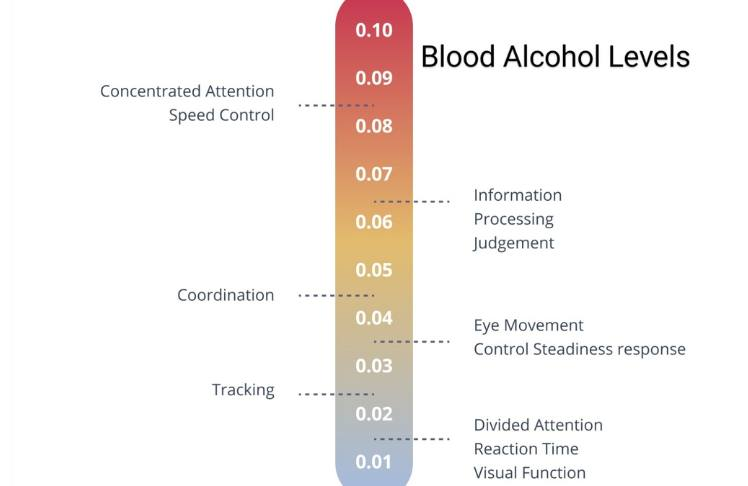
For commercial drivers, such as truckers, the limits are much stricter, often 0.04 percent or lower. This is because driving large vehicles while impaired poses a bigger risk to everyone.
How Impairment Is Measured
There are a few common ways law enforcement proves impairment during a DUI or DWI stop.
One is through chemical tests like breathalyzers, blood draws, or urine samples that measure the level of alcohol or drugs in your system. The accuracy of these tests depends heavily on proper equipment calibration, strict procedures, and careful handling of samples.
Besides chemical tests, officers look for signs of impairment during field sobriety tests and through their observations. Even if your BAC is under the legal limit, showing signs like unsteady balance, slurred speech, or erratic driving behavior can lead to DUI charges or drunk driving ticket charges.
In practice, DUI cases are rarely based on a single number; they are built from the entire encounter, including how you drive and act.
Refusing to submit to chemical testing after a DUI stop comes with its own severe consequences. Because of implied consent laws, simply having a driver’s license means you agree to these tests.
Declining a breathalyzer or blood test usually triggers an immediate suspension of your driving privileges, which can happen before any criminal case is decided.
What Happens When You Are Charged
Once charged with a DUI or DWI, two legal processes begin:
- Criminal Case: This is the court process where you could face DUI punishment, penalties, plead guilty, or go to trial.
- Administrative Action: Your state’s motor vehicle agency can suspend or revoke your license independently of the criminal case, sometimes acting faster than the courts.
This dual system means that even before your court case concludes, you might lose your license, job, or insurance benefits due to the arrest alone. Employers and insurers may respond quickly to the charge, sometimes before any conviction.
Keeping detailed records of the stop and requesting all police reports and testing records is important. Consulting a skilled DUI attorney early helps protect your rights.
Penalties for First-Time DUI Offenders
Getting hit with your first DUI can feel like the world just flipped upside down. It is not just about the court date but stepping into a legal process that often comes with a mix of fines, restrictions, and other headaches.
While the exact first DUI fine and first DUI penalty change depending on where you are, here is what most first-time offenders usually face:
- Fines and Court Costs: These can range from a few hundred to several thousand dollars, depending on jurisdiction.
- Probation and Mandatory Programs: Offenders often must attend alcohol education or treatment courses.
- License Suspension: Typically from a few months to a year.
- Ignition Interlock Device: Many states require first offenders to install a device that prevents the car from starting if alcohol is detected on the driver’s breath.
- Jail Time: Some jurisdictions impose prison time for DUI, especially if aggravating factors like a high BAC or an accident are involved.
- Insurance Premium Hikes: Expect substantial increases that can last for multiple years.
For commercial drivers, the consequences are even harsher. Federal DUI penalties may lead to the disqualification of your commercial driver’s license, even for a first offense, putting your career at serious risk.
Repeat Offenses: Penalties Grow Sharply
If this is not your first DUI, the charges for drunk driving grow increasingly serious.
- For a second DUI charge, expect steeper fines, longer license suspensions, higher chances of jail time, longer ignition interlock device requirements, and mandatory treatment programs.
- A third DUI offense often triggers a felony DUI charge status. This means longer prison sentences, extended or permanent loss of driving privileges, and serious collateral consequences affecting your life and career.
- Fourth and subsequent offenses almost always come with felony treatment, long prison terms, and near-certain permanent loss of the right to drive commercially or even personally.
Courts, employers, and insurance companies view repeat offenses as a sign that earlier punishments did not work, so they impose far harsher DUI penalties. For commercial drivers, federal rules can even impose lifetime disqualification for repeat alcohol-related violations.
What Are Ignition Interlock Devices?
Ignition interlock devices are breathalyzers connected directly to your vehicle’s ignition system. Before you start your engine, you have to blow into the device. If it detects alcohol above a set threshold, the vehicle will not start.
Over the last decade, many states have expanded their ignition interlock requirements to include more offenders, including some first-time DUI cases. Advocacy groups and legislators pushed for this because studies show that interlocks reduce the chance of repeat DUI crashes.
If you are convicted of a DUI, it is increasingly likely that installing one of these devices will be part of the conditions to get your license back.
Keep in mind that interlocks come with installation fees and monthly costs, adding to the overall expense of a DUI conviction.
Moving Violations: Points, Records, and Consequences
Moving violations are traffic offenses committed while the vehicle is moving, excluding DUI. Examples include speeding, improper lane changes, failing to yield, and failing to move over for emergency vehicles.
You May Also Like: How to Deal With a Traffic Ticket Without Losing Your Nerves
These violations usually remain on your moving violation record for three to five years. How long moving violations stay on your record can affect your insurance rates and license status. Accumulating moving violation points can lead to license suspension, even if you have no DUI.
For commercial drivers, multiple moving violations can result in immediate job loss or disqualification from driving commercially. Insurance companies use moving violation records to adjust rates and make hiring decisions.
If you receive a moving violation, contesting weak or incorrect tickets can prevent points and help keep insurance premiums lower.
Serious Moving Violations and CDL Impact
Not all moving violations carry the same weight. While minor infractions like a simple speeding ticket or a lane change error can still affect your driving record, major moving violations are treated much more harshly.
These include reckless driving, excessive speeding (usually defined as going 15 mph or more over the limit), tailgating, aggressive driving behaviors, and failure to yield or move over for emergency vehicles or law enforcement.
For commercial drivers, these violations can have major consequences on your career. The Federal Motor Carrier Safety Administration (FMCSA), which regulates commercial driving across the United States, classifies certain violations as serious moving violations.
Examples include:
- Reckless driving
- Speeding 15 mph or more over the posted limit
- Leaving the scene of an accident
- Using a vehicle to commit a felony
- Driving under the influence of alcohol or drugs (although this is treated separately under DUI laws)
- Failure to yield the right of way
- Following too closely
- Failure to obey traffic control devices
- Driving a commercial vehicle without proper authority or with a suspended CDL
According to FMCSA regulations, accumulating two serious moving violations within three years results in a mandatory disqualification from safety-sensitive driving duties for commercial drivers.
This disqualification means that you are barred from operating commercial vehicles that require a CDL for a specific length of time, often ranging from 60 days for the first disqualification to up to a year or more for repeated offenses. In some cases, violations may lead to indefinite suspension until corrective actions are taken.
This is a critical point: even if you manage to avoid DUI charges or other criminal offenses, accumulating serious moving violations can end your ability to legally drive commercially.
Many employers treat these violations as a red flag, often resulting in job termination or difficulty finding new work in the trucking or transportation industry.
The FMCSA Clearinghouse and Return-to-Duty Process
For commercial drivers, the FMCSA Clearinghouse is a must when it comes to drug and alcohol violations. This national database tracks any positive drug or alcohol tests, refusals to test, or other substance-related violations reported by employers, law enforcement, and medical review officers. The goal is to keep impaired drivers off the roads and improve safety for everyone.
If you’re a commercial driver and you either fail or refuse a drug or alcohol test, that violation must be reported to the Clearinghouse. Once reported, your status changes to “prohibited,” which means you are not allowed to perform safety-sensitive functions, including operating commercial vehicles, until you complete the required return-to-duty process. This status officially suspends your ability to work in your role.
The return-to-duty process is a multi-step program designed to ensure that you are ready and safe to get back behind the wheel. It starts with an evaluation by a Substance Abuse Professional (SAP), who assesses your situation and recommends any necessary treatment or education. You must follow through with those recommendations, which can include counseling, rehabilitation, or support groups.
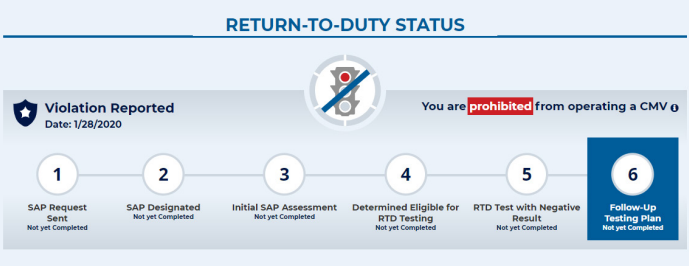
After completing the treatment or education program, you must pass a return-to-duty drug and/or alcohol test under direct observation. This means the test is closely monitored to ensure no tampering or cheating occurs. Passing this test is a critical step before you can legally resume safety-sensitive duties.
But the process doesn’t end there. You will also be subject to ongoing follow-up testing for up to a year or more. These tests happen randomly and can catch any relapse early. Employers are required to check the Clearinghouse before hiring commercial drivers and annually thereafter to confirm that their employees remain eligible and compliant.
Failing to comply with any part of the return-to-duty process can have serious consequences. You could face longer suspensions or permanent loss of your commercial driving privileges. In some cases, states may revoke your CDL if you remain in the prohibited status too long without completing the necessary steps.
The Clearinghouse creates a transparent system of accountability, but it also means commercial drivers need to act quickly and responsibly if they face a violation. Waiting or ignoring the problem only prolongs career interruptions and makes it harder to get back on the road.
In short, if you’re a commercial driver with a drug or alcohol violation, start the return-to-duty process as soon as possible. Work closely with your employer, SAP, and legal advisors to meet all requirements.
Evidence and Defenses in DUI Cases
Getting a DUI charge is scary, but there are ways to fight back. A lot depends on the details.
Breathalyzer machines have to be checked and fixed regularly. If they weren’t working right, the test results might not count. Blood tests need to be handled very carefully, too. If the samples were mixed up or not stored properly, that can help your case.
Field sobriety tests are not always clear. If the ground is uneven or you have a health issue, it can affect how you walk or balance. These tests rely on the officer’s opinion and can be wrong. Also, the reason the officer stopped you matters. If they didn’t have a good reason to pull you over, any evidence they found might be thrown out.
Your lawyer will want all the reports, test logs, and any videos from the stop. Getting this early is very important. Sometimes, experts like scientists or mechanics help explain why tests might be wrong. The sooner you get good legal help, the better your chance to reduce or drop the charges.
State Variations and Important Examples
DUI laws are not one-size-fits-all across the United States. Each state creates its own rules on what counts as impaired driving, the penalties involved, and how cases are handled. This means the consequences you face can be very different depending on where you are stopped.
Some states have stricter rules for first-time offenders, while others focus more on repeat violations or aggravating circumstances. For commercial drivers, these differences can also affect your ability to keep your job and your license.
Here are some examples of how states vary:
1. Arizona: Requires ignition interlock devices for most DUI convictions, including some first offenses.
2. California: Requires ignition interlock devices for some first-time offenders, especially with high BAC levels.
3. Florida: Immediate license suspension if you fail or refuse a breathalyzer, even before court proceedings.
4. Illinois: Zero-tolerance policy for drivers under 21 and lower BAC limits for commercial drivers.
5. New York: Emphasizes mandatory alcohol education and longer license suspensions for first offenses.
6. Ohio: Treats a third DUI as a felony with longer jail terms and harsher penalties.
7. Texas: Penalties for a first DUI vary based on BAC and other factors, including fines, license suspension, and possible jail time.
8. Washington: Has strict administrative license revocation rules that take effect quickly after a failed test.
For anyone facing DUI charges, understanding the specific laws where you live is essential. Checking your state DMV website and consulting with a local attorney can help you navigate the process and protect your rights.
Impaired Driving Laws in Canada
In Canada, impaired driving is treated very seriously and is prosecuted under the Criminal Code, not just as a traffic violation.
The legal blood alcohol concentration (BAC) limit for criminal charges is 0.08 percent, but many provinces enforce administrative penalties starting at much lower levels, typically 0.05 percent BAC. At this level, drivers may face immediate roadside suspensions, vehicle impoundments, and fines even before any criminal conviction.
You May Also Like: Fact or Fiction? The Truth About Canada’s Driving Laws
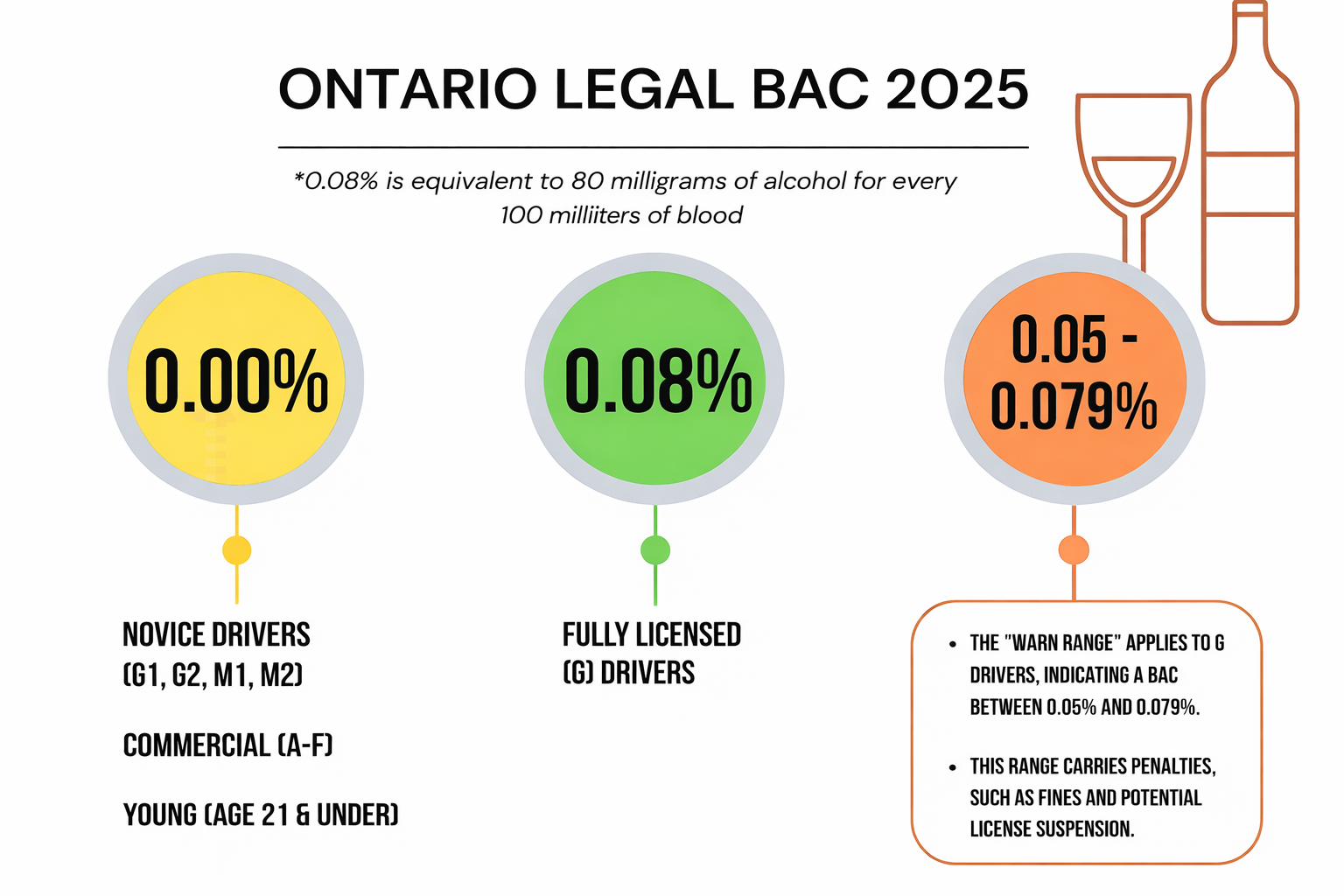
For repeat offenders or those caught with high BAC levels (often 0.16 percent or higher), the law mandates minimum fines, longer license suspensions, and mandatory jail sentences.
For example, a first impaired driving conviction can bring a minimum fine of several thousand dollars and up to 18 months in jail, depending on the circumstances. Repeat offenses escalate quickly, with higher fines, longer jail time, and potential imprisonment even for lesser offenses.
Commercial drivers in Canada face zero tolerance for alcohol. The BAC limit for commercial vehicle operators is effectively zero, meaning any detectable alcohol can lead to immediate license suspension, job loss, and regulatory penalties. This strict approach reflects the high safety risks of operating large vehicles under the influence.
Additionally, a Canadian impaired driving conviction can have serious effects beyond the courtroom. It can affect your ability to travel internationally, especially to the United States, where border officials often deny entry to individuals with DUI records. Employment opportunities can also be limited, especially in fields requiring a clean driving or criminal record.
Each province and territory has specific rules on administrative penalties, mandatory education or treatment programs, and license reinstatement procedures. It’s important for anyone facing impaired driving charges in Canada to consult local legal experts and official government resources.
If you or someone you know is facing DUI or DWI charges, don’t wait to get help. Early action can make a real difference in the outcome. Remember, staying informed and making smart choices behind the wheel not only keeps you safe but also protects your livelihood and future.
Drive responsibly and stay ahead of the risks.


