



Flushing Brake Fluid Cost: Signs, Prices, and Service Tips

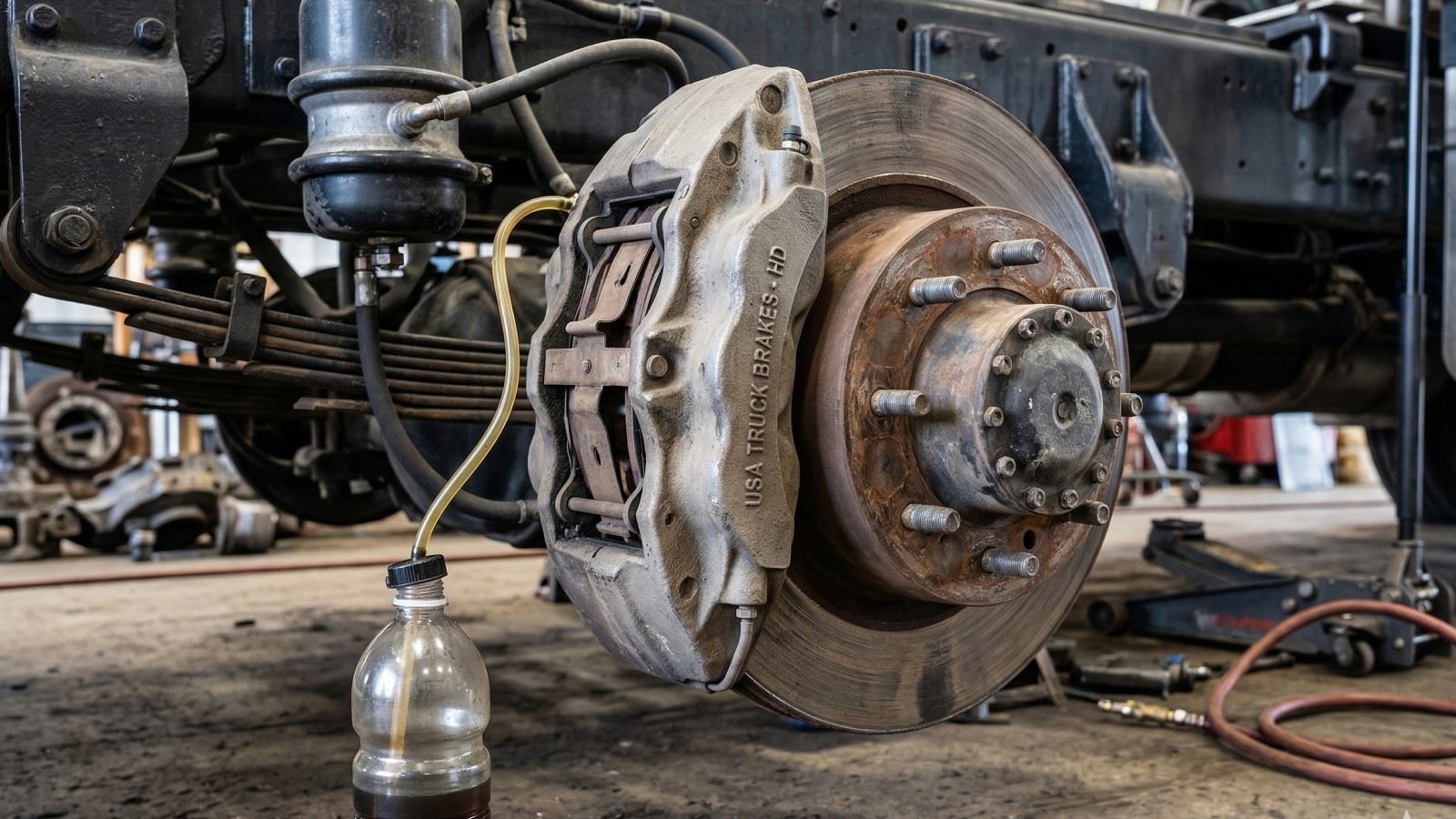
When it comes to vehicle maintenance, brakes are not something you want to wing. A brake fluid flush protects your stopping power, improves safety, and can prevent costly repairs later.
We will explain exactly what it is, why it matters, how much it costs, and how it fits in with other services such as oil changes and brake pad replacement.
Key Facts:
- A brake fluid flush removes old, moisture-contaminated fluid and restores hydraulic braking performance by clearing air and degraded fluid from the system.
- Brake fluid typically absorbs moisture over time, lowering its boiling point and increasing the risk of soft or spongy braking under heat.
- Recommended service interval for brake fluid replacement is every 2–3 years or approximately 30,000–45,000 miles.
- Common warning signs include dark or cloudy fluid, a soft brake pedal, warning lights, or inconsistent braking response.
- Brake fluid flush costs in 2026 generally range from about $100–$250 depending on service type, vehicle system complexity, and location.
- DOT brake fluids vary by type (DOT 3, DOT 4, DOT 5, DOT 5.1), with higher grades offering higher boiling points for heavier-duty or high-heat braking conditions.
What a Brake Fluid Flush Is and Why It Matters
Think of brake fluid as the messenger between your foot and your brakes. When you press the pedal, the fluid transfers that force to the calipers, which push the brake pads against the rotors. If the fluid is old or contaminated, it cannot do this properly, and your stopping power suffers.
Brake fluid absorbs moisture over time, which lowers its boiling point. When it gets too hot, vapor forms and compresses under pressure, leaving your pedal soft or spongy. Heavy-braking on a downhill stretch can make this problem obvious or dangerous.
This is why a brake oil flush is more than just a routine chore. It removes old fluid from the system, clears trapped air, and gives your brakes the fluid they need to perform reliably.
Think of these like different levels of service. A reservoir change is a quick fix, but a full flush is the only way to truly restore your braking system.
Now that we know what a brake fluid flush is, the next question is how often you actually need it.
How Often Should Brake Fluid Be Changed
Brake fluid does not just age when you drive it. It degrades even if the truck sits in the garage. Manufacturers recommend changing brake fluid every 2–3 years or about 30,000–45,000 miles.
However, some signs indicate you might need a flush sooner:
👉 Fluid looks dark or cloudy
👉 Pedal feels soft or spongy
👉 Brake warning lights appear
👉 Braking feels weaker or inconsistent
These indicators are like your truck’s early warning system. Ignoring them can lead to corrosion in brake lines and calipers, which can become expensive repairs later. Keeping an eye out helps you maintain safety and performance.
Once you know when it should be done, the natural next question is cost, and that is what most drivers want to know first.
How Much Does a Brake Fluid Flush Cost in 2026?
Factors That Affect Brake Fluid Flush Prices
Not all brake fluid flushes cost the same, and understanding why helps you make sense of shop quotes.
One of the biggest factors is the type of brake fluid used. Here are the main ones:
1. DOT 3 is standard and affordable.
2. DOT 4 offers a higher boiling point for newer vehicles.
3. DOT 5 is silicone-based and requires careful handling.
4. DOT 5.1 is designed for heavy-duty or hot-braking applications.
Choosing the right fluid ensures your brakes can handle the heat and conditions of your driving. Other factors, like your vehicle’s braking system, labor rates, and how thoroughly the service is done, also affect the price.
Your vehicle’s braking system also matters. Trucks equipped with ABS, stability control, or other advanced electronics take longer to service because the system must be fully cycled and bled to remove air.
Labor rates come into play as well, with mechanics in larger cities generally charging more than those in smaller towns. Finally, the depth of service impacts the price: a full flush removes all old fluid and air from the lines, while partial services are faster and cheaper but will not provide the same long-term reliability.
All these factors together explain why prices vary so much. Understanding them helps you make informed decisions and naturally leads to considering combined services like pairing a fluid flush with an oil change for convenience and savings.
Combining Brake Fluid Service With Oil Changes
Many drivers prefer to handle multiple maintenance tasks in a single visit. Common combinations include:
👉 Engine oil and filter replacement
👉 Brake fluid flush
👉 Brake pad inspection or replacement
👉 Full brake system check
👉 Oil change and wheel alignment services
Here is how the pricing usually breaks down.
Combining services saves time and often money, but you want to verify exactly what is included. This ensures you do not get billed for partial service while expecting full coverage.
Now, some drivers wonder if they can do this themselves.
DIY vs Professional Brake Fluid Service
Performing a brake fluid flush yourself is possible with a bleeder kit and the correct DOT fluid, usually costing between $20 and $60.
For experienced DIYers, it can be a budget-friendly option, especially if you already have basic tools and garage space. However, there are significant trade-offs that are easy to overlook.
Professionals ensure that all brake lines are completely bled, which removes trapped air that could compress under pressure and reduce stopping power. They also use the exact fluid type recommended for your vehicle, which is important because using the wrong fluid can damage seals or reduce braking performance.
Time is another factor. A full professional flush typically takes 45–90 minutes, depending on the vehicle, while a DIY attempt may take longer, especially if you are unfamiliar with the process. Mistakes like leaving old fluid in the lines, introducing air, or spilling fluid on paint or components can create additional costs far exceeding the price of professional service.
There is also a safety component: brake fluid is corrosive and absorbs moisture easily. Improper storage or exposure during DIY service can compromise its effectiveness. Professionals handle the disposal of old fluid safely and refill with fresh, high-quality fluid, ensuring the system operates as designed.
In summary, while a DIY brake fluid flush can save money for mechanically confident drivers, the risks include reduced braking efficiency, potential damage to components, and extra time and effort. A professional service guarantees both safety and reliability, giving peace of mind that your brakes will respond correctly every time you hit the pedal.
Recognizing the need for a flush is just as important as choosing the right service provider, whether you do it yourself or trust a trained mechanic.
Signs You Might Need a Brake Fluid Flush Now
It is always better to be proactive with brake maintenance. Warning signs like a soft pedal, dashboard alerts, dark fluid, or inconsistent braking indicate that a brake fluid flush may be needed immediately. Ignoring these can lead to serious issues, including corroded calipers, damaged ABS components, or worn brake lines.
For clarity, here’s a table showing common warning signs, what they mean, and why you should act quickly.
You May Also Like: Truck Troubles? The Essential Guide for Every Driver
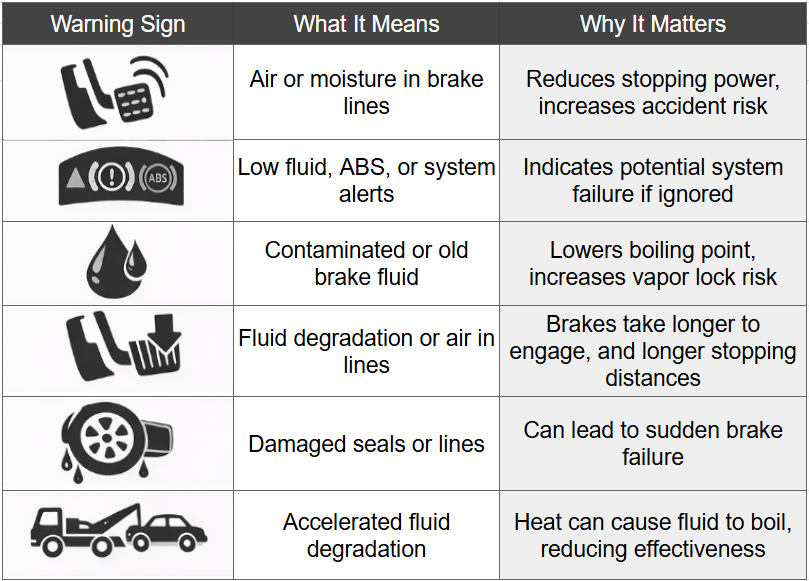
Even small increases in pedal travel or minor leaks can signal that your system is stressed. Brake fluid absorbs moisture over time, lowering its boiling point and making it more susceptible to vapor lock during hard braking.
Studies show that degraded fluid can increase stopping distances by several feet in emergencies.
Acting on these signs early keeps your braking performance safe and reliable. Waiting too long not only increases accident risk but can also make repairs far more expensive. Regular inspections, ideally during oil changes or routine service visits, are the best way to catch these problems before they become serious.
Don’t wait until it’s too late. Find a truck repair shop today to keep your brakes strong and your truck safe.


