



What Is the Best Fuel Economy Truck of 2026? Top Picks Revealed


The Freightliner Cascadia is generally considered the best fuel economy semi-truck in 2026, often delivering the highest real-world MPG in long-haul fleet use. It achieves this through strong aerodynamics and an optimized Detroit powertrain designed for low-RPM highway efficiency. Close competitors include the Kenworth T680 and Volvo VNL, depending on configuration and driving conditions.
Fuel efficiency has become a make-or-break factor in modern trucking. With diesel prices remaining high in 2026, every mile per gallon directly impacts operating costs, and even small efficiency gains add up fast over long hauls.
That pressure is pushing fleets and owner-operators to prioritize trucks and setups that maximize fuel economy without sacrificing power, reliability, or uptime on the road.
Key Facts:
- Modern Class 8 trucks in 2026 can achieve approximately 7–10 MPG under ideal highway conditions
- Fuel economy is influenced by aerodynamics, engine configuration, transmission type, and driving conditions
- Freightliner Cascadia is widely recognized for high long-haul fuel efficiency with Detroit powertrains
- Volvo VNL combines aerodynamic efficiency with integrated engine and transmission systems
- Automated transmissions and predictive cruise control technologies help improve fuel consumption across modern fleets
- Aerodynamic packages such as side skirts and roof fairings significantly reduce drag and improve MPG
What Makes a Semi-Truck Fuel-Efficient?
Fuel efficiency in a semi-truck is not the result of one single feature. It is the combined effect of engineering, configuration, and driving behavior working together on the road.
1. Aerodynamics
Air resistance is one of the biggest forces working against a truck at highway speeds. Aerodynamic designs reduce drag and help the truck move more efficiently. Features like roof fairings, side skirts, streamlined bumpers, and reduced gaps between tractor and trailer all contribute to better MPG.
Even small improvements in airflow can create meaningful fuel savings over long distances.
2. Engine and Transmission Efficiency
Modern diesel engines are designed to operate within optimal RPM ranges where fuel burn is most efficient. Automated transmissions help maintain those ranges more consistently than manual shifting.
Integrated powertrains, where engine and transmission are engineered to work together, further improve efficiency by reducing wasted energy during gear changes and load adjustments.
3. Weight Optimization
Weight directly affects how much energy a truck needs to move. Lighter configurations improve fuel economy, especially in stop-and-go traffic and hilly terrain. Fleets often balance durability with weight reduction when choosing components like wheels, fuel systems, and trailer equipment.
4. Tires and Rolling Resistance
Tires play a bigger role in fuel consumption than many realize. Low rolling resistance tires reduce friction with the road, allowing the truck to move more efficiently. Proper tire pressure is equally important since underinflated tires increase drag and fuel use over time.
5. Driving Behavior
Driver habits can significantly influence MPG results. Smooth acceleration, steady cruising speeds, and consistent use of cruise control help maximize efficiency. Aggressive driving, frequent braking, and rapid acceleration can quickly reduce fuel economy even in highly optimized trucks.
Modern predictive cruise systems can also assist drivers by adjusting speed based on terrain and traffic patterns.
6. Maintenance and Route Planning
Well-maintained trucks run more efficiently. Clean air filters, properly tuned engines, and well-serviced fuel systems all contribute to better MPG.
Route planning also matters. Avoiding heavy congestion, steep detours, and poorly maintained roads helps reduce unnecessary fuel burn and keeps deliveries on schedule.
Freightliner Cascadia Evolution
The Freightliner Cascadia continues to lead when it comes to fuel efficiency. Equipped with Detroit Diesel engines and the DT12 automated transmission, it consistently delivers high MPG on long interstate runs. In optimized configurations, it can reach around 9 to 10 MPG, making it a top choice for operators focused on fuel savings.
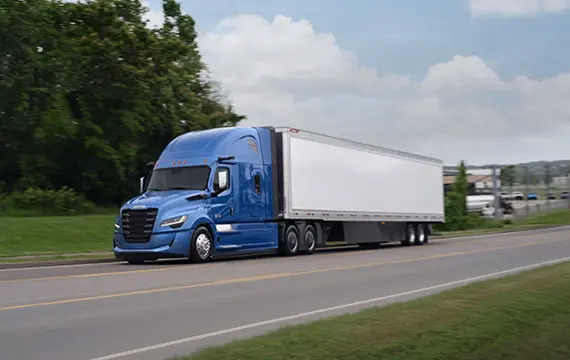
The truck’s aerodynamic design includes roof fairings, side skirts, and carefully shaped bumpers that reduce drag. The powertrain is tuned to keep the engine running at its most efficient level. Freightliner’s service network nationwide also helps fleets stay on the road and reduce downtime.
This truck is ideal if your main goal is lowering fuel costs and increasing efficiency without sacrificing reliability.
Volvo VNL
The Volvo VNL is another leading fuel-efficient truck. With its D13 engine paired with the I-Shift automated transmission, it keeps MPG high on long highway runs. Fleets report fuel economy numbers that often match the Cascadia when the truck is spec’d for efficiency.
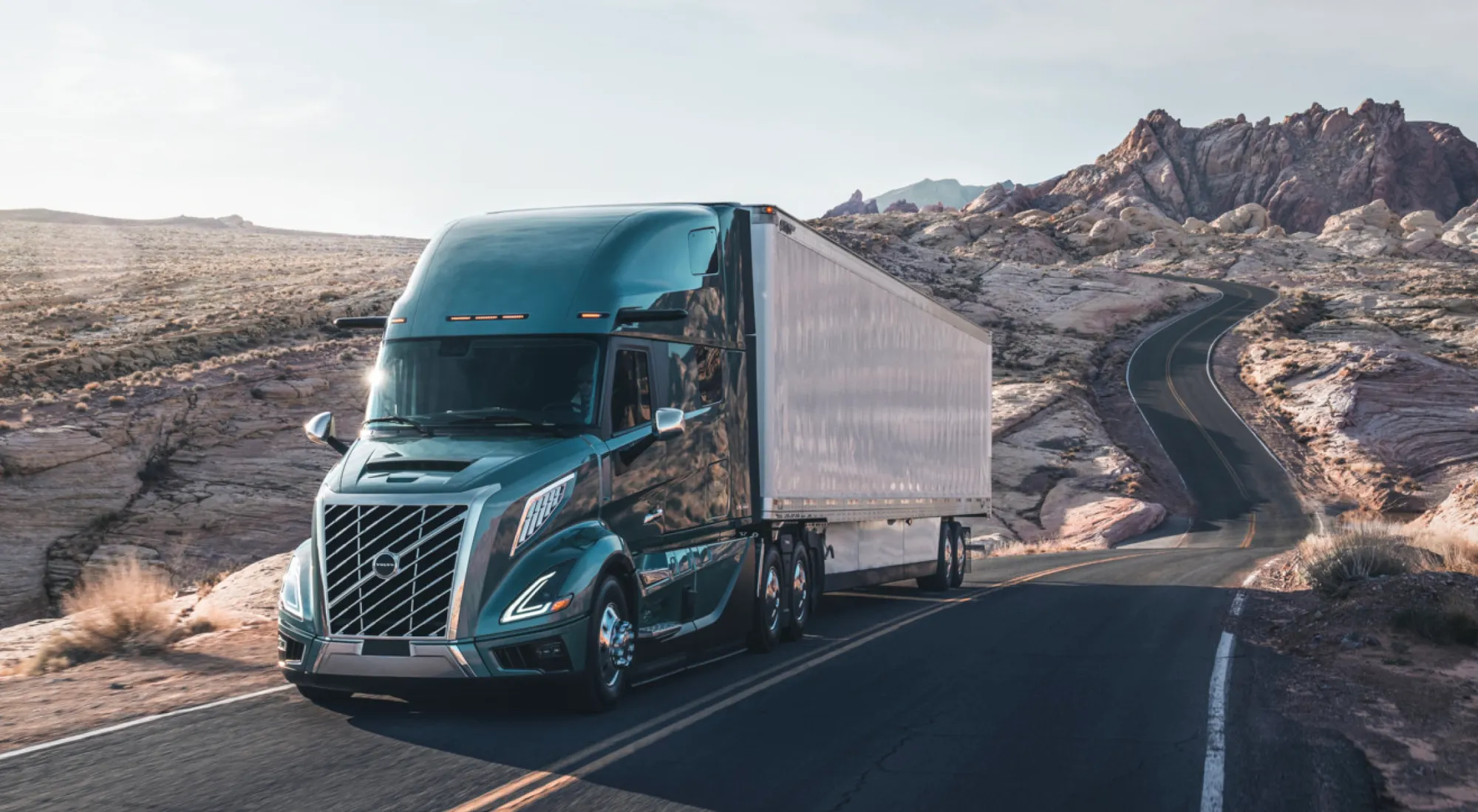
Volvo’s design focuses on integrating the engine, transmission, and aerodynamics for maximum efficiency. The cab is comfortable and quiet, which helps drivers stay alert and maintain consistent speeds that improve fuel economy. Safety features are also a strong selling point for many fleets.
If you want a truck that combines fuel savings with a driver-friendly cab, the VNL is a strong choice.
Peterbilt 579 UltraLoft
The Peterbilt 579 shares many components with the Kenworth T680, but offers a different cab style and sleeper options. It uses the PACCAR MX-13 engine and automated transmission for competitive fuel economy in the high 7s to low 8s MPG range on long highway runs.
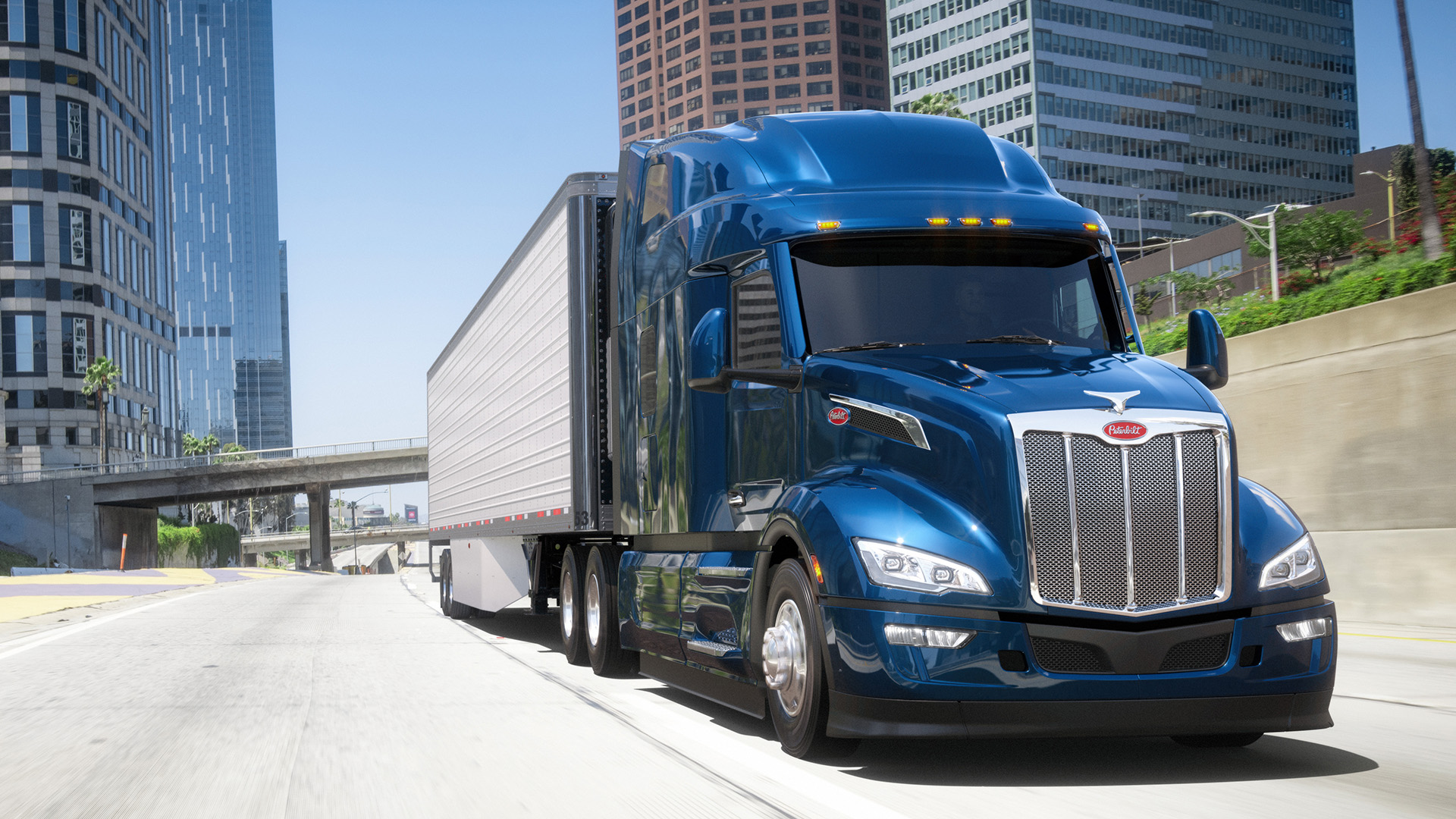
Its aerodynamic features help reduce fuel consumption, and the cab is designed for driver comfort. Many fleets and owner-operators value its strong resale performance.
This truck is a solid choice if you want fuel savings while keeping drivers happy and maintaining good resale value.
International LT Series
The International LT Series is fuel-efficient and often comes at a more accessible price point. With aerodynamic options and a strong engine, it can achieve mid-7s to low-8s MPG on highway runs.
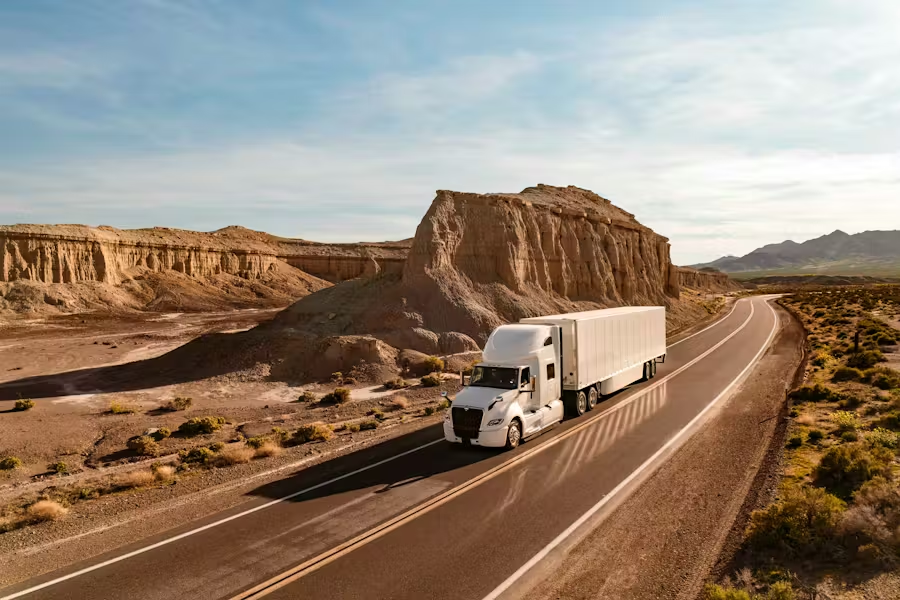
The LT Series is simple in design, which can make maintenance easier and less expensive. It works well for mixed regional and OTR routes and is a good option if you want fuel efficiency without a premium cost.
This truck is suitable for fleets or owner-operators looking for a dependable, fuel-efficient workhorse that balances performance and affordability.
Mack Pioneer
The Mack Pioneer is Mack’s most fuel-efficient highway tractor to date. It combines advanced aerodynamics with a fuel-smart engine and automated transmission. Some fleets report noticeable savings thanks to features like predictive cruise control and optimized drivetrain integration.
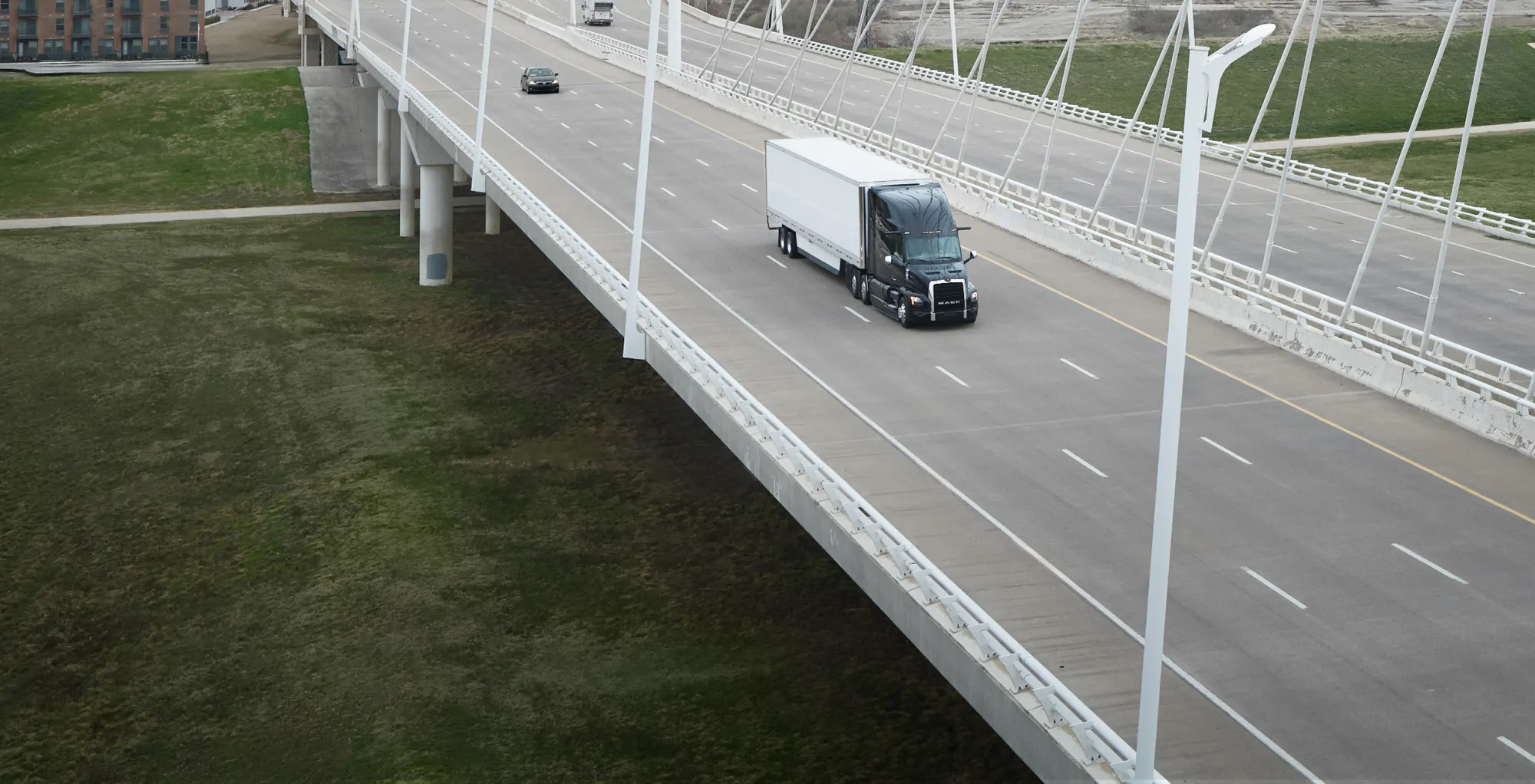
This truck is still gaining traction, but early adopters are using it for long-haul and regional routes to maximize fuel efficiency while maintaining Mack’s reputation for durability.
Which Fuel-Efficient Semi Truck Is Best for Your Operation?
All these trucks are excellent options for 2026 when fuel economy is your priority. Spec them with aerodynamic packages, the right engine size, and automated transmissions to maximize savings on the road.
Frequently Asked Questions
Which semi-truck has the best fuel economy in 2026?
The Freightliner Cascadia is widely considered one of the most fuel-efficient semi-trucks in 2026, especially in long-haul configurations. When properly spec’d with aerodynamic packages and Detroit powertrains, it can reach around 9–10 MPG on highway routes under ideal conditions. Volvo VNL is a close competitor, with similar real-world efficiency depending on configuration and driving conditions.
What are the most fuel-efficient commercial trucks for fleets in 2026?
The most fuel-efficient fleet trucks in 2026 typically include the Freightliner Cascadia, Volvo VNL, Peterbilt 579, International LT Series, and Mack Pioneer. These models are designed for highway efficiency and generally deliver between 7 and 10 MPG depending on aerodynamics, load, and drivetrain setup. Fleets often choose based on total cost of ownership rather than MPG alone.
How many MPG does a Freightliner Cascadia get?
The Freightliner Cascadia typically achieves about 8–10 MPG in optimized long-haul highway conditions. In real-world mixed operations, most fleets report closer to 7–9 MPG depending on load, terrain, and driving style. Its aerodynamic design and Detroit DT12 automated transmission are key contributors to its efficiency.
How many MPG does a Volvo VNL get?
The Volvo VNL generally delivers around 7–9 MPG in real-world long-haul use, with some optimized setups reaching higher on flat interstate routes. Its D13 engine paired with the I-Shift transmission helps maintain consistent fuel-efficient performance. Aerodynamic integration also plays a major role in reducing fuel consumption.
Which is more fuel-efficient: Peterbilt 579 vs Freightliner Cascadia?
The Freightliner Cascadia is usually slightly more fuel-efficient than the Peterbilt 579 in comparable long-haul configurations. The Cascadia can reach up to 9–10 MPG in optimized setups, while the Peterbilt 579 typically averages around 7–8.5 MPG depending on spec and route conditions. However, differences can narrow significantly when both trucks are equally optimized for aerodynamics and drivetrain efficiency.


