



Most Reliable Semi-Truck Engines in 2026: What Actually Lasts

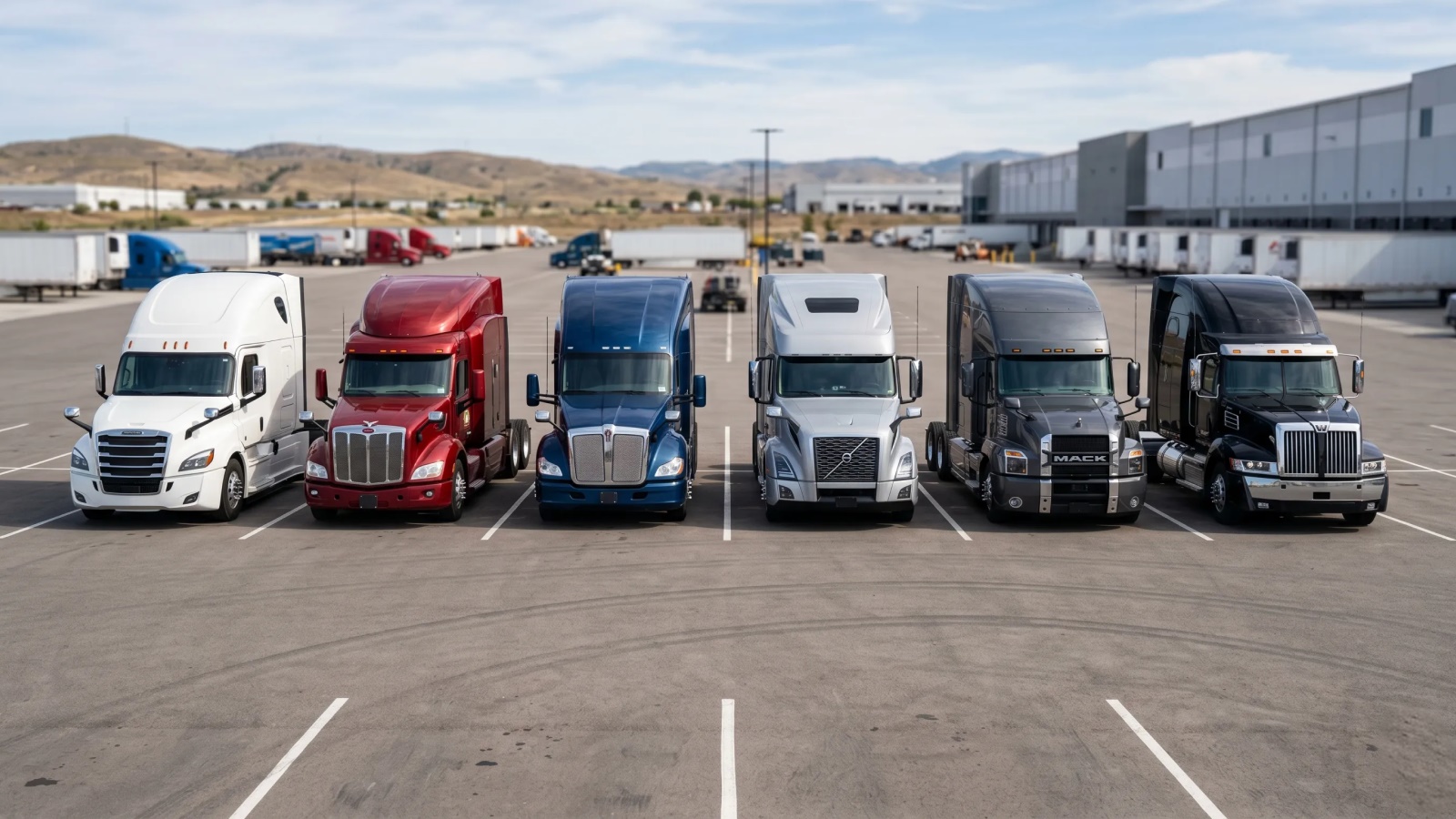
The most reliable semi-truck engines in 2026 come from a small group of proven heavy-duty diesel manufacturers. These include the Detroit DD15, Cummins X15, Paccar MX-13, Volvo D13, and Mack MP8, all of which are widely used in Class 8 trucks from Freightliner, Peterbilt, Kenworth, Volvo, Mack, and Western Star.
What sets these engines apart is their ability to stay reliable over long highway miles and heavy fleet use.
Of course, some drivers focus on fuel economy. Others care more about maintenance costs, downtime, or resale value. But for most fleets, the real concern is much simpler: how long the truck can stay profitable before major failures begin stacking up.
That is why reliability still matters more than almost anything else in commercial trucking.
Quick Summary:
- Modern semi truck engines commonly reach 750,000–1,000,000+ miles before a major overhaul when properly maintained.
- Highway freight operation creates significantly less wear than stop-and-go regional hauling.
- Lower RPM diesel operation reduces long-term internal engine stress.
- Fleet data consistently shows major lifespan differences based on duty cycle and idle time.
- Reliability depends more on drivetrain stress management than peak horsepower numbers.
How Much Does Reliability Depend on Engineering?
A lot. When you look at semi-trucks that consistently survive 1 million miles or more, the real pattern is not brand loyalty. It is how much stress the engine, transmission, and cooling systems absorb over time.
The longest-lasting diesel platforms usually operate well below their mechanical limits during normal highway cruising. That means lower RPM operation, large displacement engines, conservative tuning strategies, and stable thermal conditions.
Unlike smaller high-output engines, heavy-duty diesel engines are designed to produce large amounts of torque without constantly operating near maximum load.
That difference matters. A Class 8 diesel cruising at highway speed may only operate between 1,100 and 1,500 RPM* for hours at a time. Lower engine speed means fewer combustion cycles per mile, lower friction accumulation, and reduced long-term wear on rotating assemblies.
Revolutions Per Minute (RPM) shows how many times an engine’s crankshaft spins in one minute.
This is one reason why long-haul trucks often outlast regional or city-operated equipment by several hundred thousand miles. In real-world fleet operation, reliability is largely about controlling heat, pressure, and load variation over time.
Why Some Semi Truck Engines Reach 1 Million Miles
Modern heavy-duty diesel engines are built for continuous commercial workloads. Their blocks, crankshafts, bearings, and cooling systems are engineered around sustained torque rather than short bursts of acceleration.
The engines that consistently develop strong durability reputations usually share several traits:
- Large displacement with lower stress per cylinder
- Stable operating temperatures during highway operation
- Conservative horsepower tuning relative to engine size
- Strong oil cooling and lubrication systems
- Lower average RPM during cruise conditions
A good example is the Cummins X15 engine widely used across long-haul fleets. In properly maintained highway applications, these engines regularly exceed 800,000 miles before requiring major internal work.

The same pattern appears with the Detroit DD15, Volvo D13, and Paccar MX-13 platforms. While maintenance quality always matters, these engines were fundamentally designed around sustained commercial operation rather than maximum short-term performance.
That engineering philosophy plays a major role in long-term durability.
Why Modern Emissions Systems Changed Reliability
Modern semi-trucks are far cleaner and more fuel-efficient than older diesel platforms, but emissions technology has also introduced additional complexity.
Today’s heavy-duty diesel engines rely on systems such as:
- EGR (Exhaust Gas Recirculation) – Basically sends a small portion of exhaust back into the engine to help lower combustion temperatures and reduce emissions. It works, but it also tends to bring extra soot into the system, which can build up over time.
- DPF (Diesel Particulate Filter) – Think of it as a soot trap for the exhaust. It collects fine particles and periodically burns them off during regeneration. It keeps emissions clean, but those regen cycles add heat stress and can become a headache if they don’t complete properly.
- SCR (Selective Catalytic Reduction) – This system uses DEF fluid to break down harmful NOx emissions into harmless gases like nitrogen and water vapor. It’s very effective, but it adds another layer of hardware that needs to be maintained and can fail.
- Advanced electronic engine controls – The “brain” of the engine. It constantly adjusts fuel delivery, turbo pressure, and emissions timing for efficiency and performance. Great for optimization, but it also means more sensors and electronics that the system depends on.
These systems improve emissions performance but also increase thermal density and place greater demands on sensors, cooling systems, and maintenance schedules.
In many modern fleets, the engine itself is no longer the first major failure point. Instead, downtime is often linked to emissions sensors, DPF maintenance issues, DEF system failures, electrical modules, and wiring or electronic faults.
That is why many fleet operators now evaluate reliability differently than they did 15 years ago. The question is no longer just whether the engine survives. It is whether the truck can maintain low downtime across the entire vehicle system.
How Do City Miles vs Highway Miles Affect Engine Wear?
One of the biggest misconceptions in trucking is that mileage alone predicts wear. In reality, how the truck accumulates those miles matters far more.
Long-haul highway operation creates relatively stable temperatures, airflow, RPM ranges, and load conditions. This reduces thermal cycling and internal stress fluctuations.
Regional hauling and city delivery work are very different. Frequent stops, idling, acceleration cycles, repeated cold starts, and other truck troubles create far more stress on:
- turbochargers
- emissions systems
- transmissions
- cooling systems
- aftertreatment components
This is why fleets track engine hours and idle percentages alongside mileage.
A truck with 500,000 highway miles may actually be mechanically healthier than a lower-mileage truck used in severe stop-and-go operation. That’s because high-idle city trucks are far more likely to need frequent truck engine repair over time.
Why Do Highway Miles and City Miles Wear Trucks So Differently?
What Are the Most Reliable Semi-Trucks and Engines in 2026?
When combining fleet reliability data, long-haul usage patterns, maintenance records, and high-mileage ownership reports, the same heavy-duty platforms consistently appear at the top of the industry:
1. Freightliner Cascadia with Detroit DD15
2. Peterbilt 579 with Cummins X15
3. Kenworth T680 with Paccar MX-13
4. Volvo Trucks VNL with Volvo D13
5. Mack Trucks Anthem with MP8
6. Western Star 57X with Detroit DD15
These trucks continue to appear in high-mileage fleet operations because their drivetrains are designed to handle manageable stress levels during continuous commercial use.
The goal is not maximum output. The goal is controlled durability.
Why Reliability Still Follows the Same Rules in 2026?
Technology has improved fuel economy, safety systems, aerodynamics, and diagnostics in trucking. But the basics of engine wear have not changed. Heat still creates stress, pressure still causes fatigue, and changing loads still speed up wear.
That is why the most dependable semi-trucks continue following the same principles that have defined durability for decades:
1. Controlled operating temperatures
2. Low-RPM torque delivery
3. Stable highway operation
4. Predictable maintenance intervals
5. Conservative drivetrain engineering
The engines that last the longest are not the ones pushed hardest, but the ones designed to operate comfortably under their limits. Stable RPM ranges, consistent cooling, and controlled combustion stress are what allow platforms like modern heavy-duty diesels to reach 750,000 to 1,000,000+ miles in real fleet use.
In trucking, everything starts and ends with how well the engine handles time.
Frequently Asked Questions
Which is better: Paccar or Cummins engine?
Both engines have strong reputations, but they excel in different areas. The Cummins X15 is often considered the safer choice for long-term reliability, widespread service support, and high-mileage fleet operations. Parts and qualified technicians are easy to find throughout North America.
The Paccar MX-13 is known for good fuel efficiency, smooth operation, and strong integration with Peterbilt and Kenworth trucks. However, many fleets still favor Cummins when reliability, serviceability, and resale value are the top priorities.
Which is better: Caterpillar or Cummins engine?
For modern trucking, Cummins is the practical winner because Caterpillar no longer manufactures on-highway truck engines. Older Caterpillar engines such as the C15 and 3406 earned legendary durability reputations and are still highly respected among owner-operators.
If you're comparing used trucks with older engines, many drivers would choose a well-maintained Caterpillar for longevity. For new trucks in 2026, however, Cummins is the current industry standard for heavy-duty diesel power.
Which semi-truck has the least problems?
Among modern Class 8 trucks, the Freightliner Cascadia is frequently regarded as one of the most dependable and lowest-downtime platforms. Its combination of the Detroit DD15 engine, extensive dealer network, and proven fleet performance makes it a favorite among large carriers.
What is the longest-lasting semi-truck engine?
The engines most often associated with million-mile durability include the Cummins X15, Detroit DD15, Volvo D13, and older Caterpillar C15 models.
Is Peterbilt or Kenworth better for reliability?
Reliability is extremely close because both brands are manufactured by PACCAR and share many components, including the MX-13 engine option.


