



Connecticut Truck Stop Diesel Prices: What's Going On?

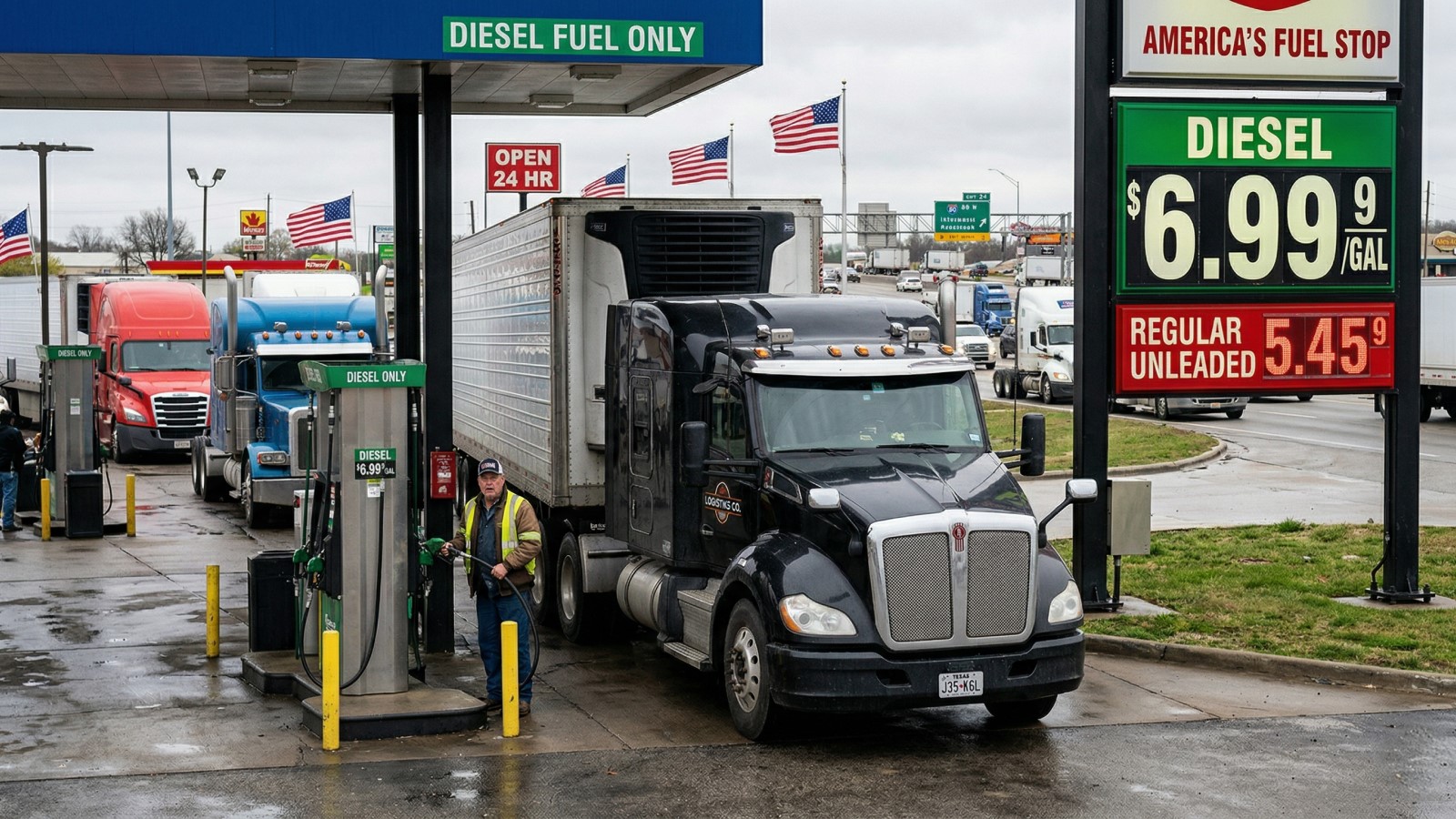
Diesel prices have climbed sharply this spring, and the jump has many truckers and fleet operators bracing for higher costs at the pump and diesel delivery disruptions in supply schedules.
Connecticut’s diesel market has moved quickly. Just a few weeks ago, the statewide average was closer to 3.97 dollars per gallon, but by March 22, 2026, AAA data showed that figure had jumped to $5.63 per gallon. That kind of move in such a short time puts real pressure on truckers who already operate on thin margins.
In the New Haven-Meriden area, the average diesel price is $5.483 per gallon, only slightly below the statewide number. For most drivers and local businesses, this is the price they encounter when they pull into a typical station.
Quick Summary:
- Connecticut’s statewide diesel average rose from about $3.97 per gallon in early March 2026 to $5.63 per gallon by March 22, 2026 (AAA data).
- The New Haven–Meriden area diesel average is $5.483 per gallon, slightly below the statewide Connecticut average.
- TA and TA Express truck stops in Connecticut have reported diesel prices between $7.74 and $8.31 per gallon across multiple locations and dates.
- The price gap between Connecticut’s average diesel price ($5.63) and reported $8.31 truck stop pricing reaches approximately $2.68 per gallon.
- A 200-gallon fuel fill-up at $8.31 per gallon can cost over $500 more than fueling at statewide average prices.
- California diesel averages around $6.40–$6.94 per gallon statewide, with most highway truck stop prices typically remaining within the $6–$7 range even along major freight corridors.
The 8.31‑Dollar Outliers
Truckers are sharing screenshots from multiple TA and TA Express locations across Connecticut showing diesel prices between $7.74 and $8.31 per gallon. These aren't one-off sightings at a single location or just for one day. Drivers have captured these high prices at different TA truck stops on different days, and the photos have spread quickly through trucking forums, Facebook groups, and text chains. The consistency across multiple locations and dates makes this pattern impossible to dismiss as an isolated pricing mistake or temporary glitch.
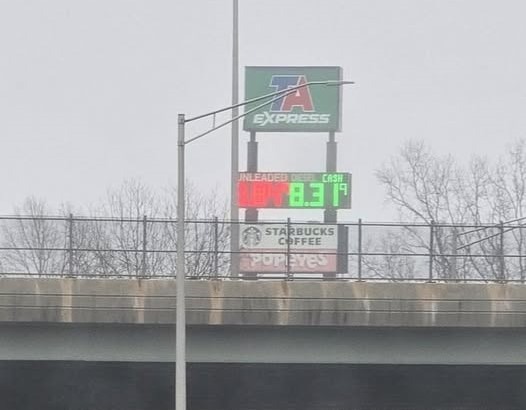
Even more telling, drivers report that regular fuel stations just down the road from these TA locations charge around $2 less per gallon for diesel. In many cases, these truck stops sit directly off exits tied to major freight routes such as Interstate 95 and Interstate 84, where competition is limited and traffic is heavily concentrated. There's no difference in their cost environment that would justify such a dramatic price gap.
For a 200‑gallon fill‑up, that difference can easily add 500 dollars or more to the cost of a single stop, which goes a long way toward explaining why truckers are reacting so strongly. Seeing diesel prices over $8 at some truck stops is pretty shocking, especially when you look at the bigger picture.
How Connecticut Fits Into the National Picture
Connecticut's high diesel prices put it toward the upper end of the national rankings, but the comparison with other expensive states makes these truck stop numbers look even more extreme. California continues to lead with some of the highest diesel prices across the US.
The statewide average there sits around $6.40 per gallon, and in many metro areas along key trucking corridors like Interstate 5, Interstate 80, Interstate 10, Interstate 15, and Interstate 40, prices climb to $6.80 or even $7.00 at busy truck stops. Those are the numbers California truckers expect to see.
Even in a state known for sky-high fuel costs like California, you rarely see diesel posted above $8 per gallon at any single location. Typical retail diesel stays within that $6 to $7 range, even at the busiest interstate truck stops. The $8.31 prices appearing at specific Connecticut TA and TA Express locations stand well outside even California's elevated baseline.
This shows the Connecticut truck stop outliers have little to do with being in a generally expensive fuel state. Connecticut's own statewide average of $5.63 per gallon actually undercuts California's $6.94 average. These $8.31 postings look like isolated pricing decisions at particular truck stop locations rather than a reflection of broader regional or national market conditions.
What This Moment Means for the Trucking Economy
Interstate truck stops often charge more than smaller, off‑highway stations because of heavier traffic, limited competition at certain exits, and the convenience of on‑site amenities such as parking, food, and showers. That creates a location premium on fuel, which many drivers accept as part of operating on the highway.
Northeast truckers are furious about those $8.31 prices because:
- The gap between $8.31 and Connecticut's $5.63 state average is $2.68 per gallon, unusually wide even for truck stops.
- Similar spikes are not appearing across Connecticut's broader retail market.
- The $536 difference per 200-gallon fill-up can erase daily margins for owner-operators.
For many truckers, these readings remind them that every fuel stop matters more than ever. Fleet managers must now watch not just routes and rates, but exactly where fuel gets purchased.
As spring's fuel surge continues, Connecticut's $8.31 diesel illustrates how sensitive trucking is to pump prices. Before driving, always check diesel fuel prices near me to get the best deal, especially at major truck-stop chains where station readouts can differ dramatically from regional averages.


