



Paint and Body Shop Services: From Dents to Full Repaints

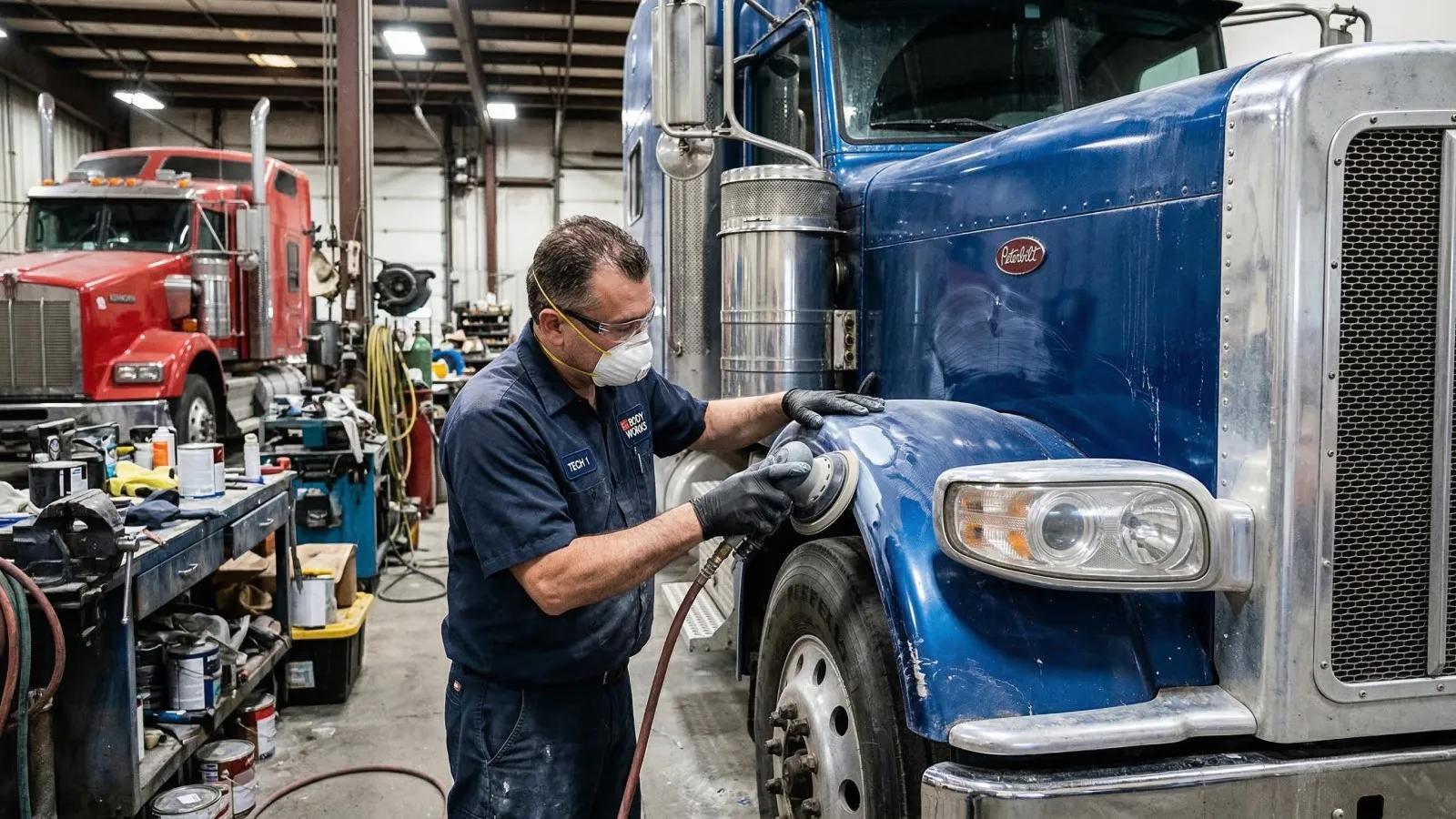
Over time, every vehicle shows signs of wear: a few scratches, small dents, or faded paint that dulls its look and protection. Maintaining the exterior isn’t just about appearance. It also keeps your vehicle in good condition and protects it from rust, corrosion, and weather damage.
Whether you need a simple touch-up, a full repair, or a complete repaint, today’s paint and body shops combine precision, modern technology, and craftsmanship to restore vehicles of all sizes, from personal cars to heavy-duty trucks and fleets.
Key Facts:
- Paint and body shops provide cosmetic repair, collision repair, and full repaint services for vehicles ranging from passenger cars to heavy-duty trucks and fleets.
- Minor paint and scratch repairs typically cost $300–$800 and can often be completed within a few hours.
- Collision and structural repairs usually take 5–15 days and range from approximately $2,000 to $12,000 depending on damage severity and parts.
- Full truck or fleet repainting generally costs about $6,000–$12,000, depending on vehicle size, coating type, and labor requirements.
- Small paint repairs can reduce long-term damage risks, while untreated exterior damage can contribute to a 10–25% drop in resale value.
- Professional paint and body work often includes warranties ranging from 1–5 years and relies on multi-stage processes such as sanding, priming, basecoat, and clearcoat application.
What Paint and Body Shops Actually Do
Paint and body shops aren’t just about making vehicles look nice. They repair damage, protect the metal underneath, and help extend the life of your car or truck.
Whether it’s a family car or a heavy-duty semi-truck, most shops handle three main types of work:
👉 Cosmetic and panel repair. Fixes small dents, scratches, and chips from everyday use.
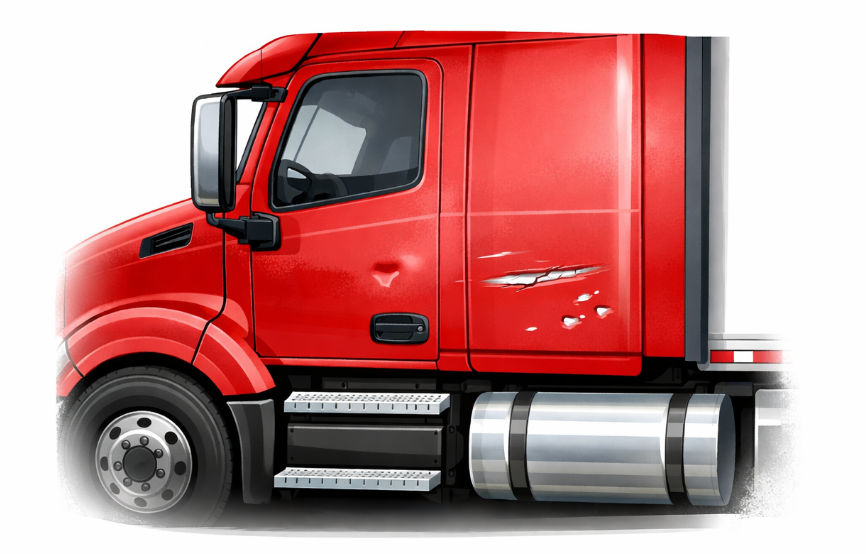
👉 Collision and structural repair. Straightens frames, replaces damaged panels, and restores safety features after accidents.
You May Also Like: Is Your Body Shop Showing Up Where Fleets Make Decisions?
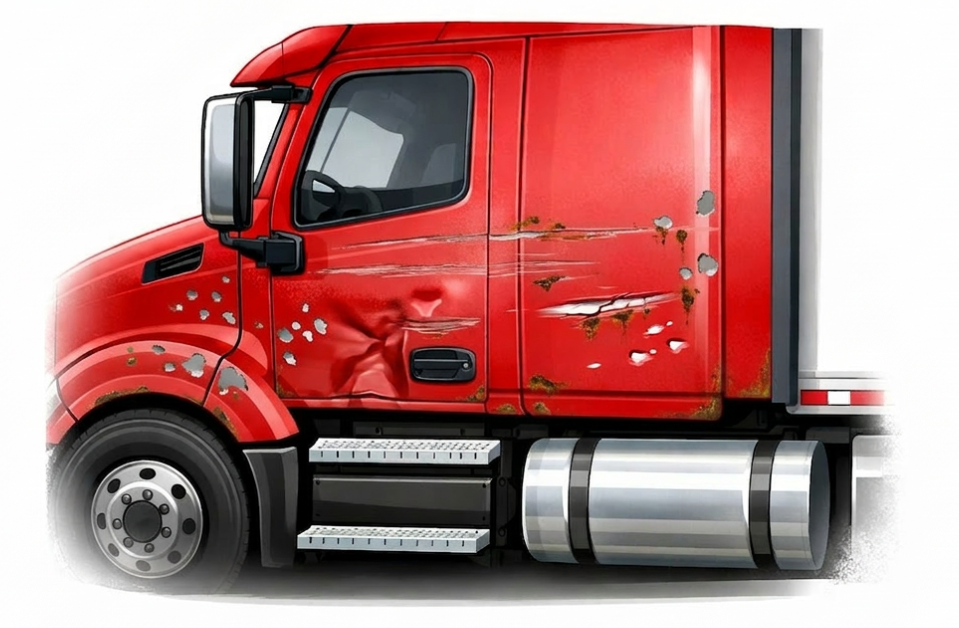
👉 Repainting and refinishing. Restores factory color or gives the vehicle a completely new look. Let's break down each type, starting with the everyday fixes.
1. Small Repairs
Even tiny scratches can turn into bigger problems if ignored. Rust loves to spread once metal is exposed. Most shops sand the area smooth, prime it, digitally match the color, and finish it with a clear protective coat. Small jobs like this usually take a few hours and cost $300–$800.
2. Collision and Structural Work
If a vehicle’s been in a serious accident, the process is more involved. The shop may need to straighten the frame, replace parts, and recalibrate systems such as sensors and airbags.
Once structural work is complete, the surface is refinished with primer, basecoat, and clearcoat in a professional paint booth. Depending on the damage and parts availability, repairs typically take 5–15 days and cost anywhere from $2,000 to $12,000.
Quality body and paint work does more than improve appearance. It helps prevent long-term wear. Rust, oxidation, and paint failure can reduce resale value by 10–25%, so investing in proper repair protects both the appearance and value of your vehicle.
Custom and Specialty Painting
When it’s about more than fixing damage, custom paint options let you give your vehicle a one-of-a-kind personality. For businesses, custom painting can also create a clean, professional image for company vehicles or fleets.
Custom paint options include:
👉 Metallic, pearl, or candy-style finishes
👉 Two-tone designs or gradual color fades
👉 Stripes, graphics, or company logos
These projects require time, precision, and multiple paint layers. A full custom job usually takes 10–20 days from start to finish.
Trucks and Fleet Vehicles
Larger vehicles such as trucks and trailers require more paint, longer drying times, and industrial-grade coatings. Finishes like urethane or enamel are often used because they resist fading and corrosion.
A full truck repaint typically costs $6,000–$12,000, while full fleet projects may cost more but save money long-term by ensuring durability and a consistent professional appearance across all vehicles.
Quick and One-Day Services
Some shops offer express or spot painting for minor areas. These quick-turnaround services can often be completed within a single day without sacrificing quality — ideal for vehicles that can’t stay off the road for long.
The key difference between a basic paint job and an excellent one lies in the preparation and attention to detail. Shops that perform both body repair and painting in the same facility ensure that both structure and finish meet high standards before returning the vehicle.
Several factors influence what you’ll actually pay for paint and body work:
1. Labor. Usually, 30–60% of the total cost, reflecting skill and experience.
2. Materials. Premium paints hold up longer and resist fading.
3. Vehicle size and shape. Bigger vehicles take more paint and time.
4. Facility standards. Shops with certified technicians, clean paint booths, and precise color-matching tools often cost more, but deliver noticeably better results.
Faster, lower-cost jobs may skip key steps like thorough sanding or multiple clear coats. A professional paint job takes longer but lasts years longer and often includes a 1–5 year warranty.
How Do Paint and Body Repair Costs Compare by Service Type?
How to Choose the Right Shop
Choosing a body shop goes beyond finding the lowest quote. Look for reliability, clear communication, and proven workmanship.
👉 Look for credentials: Certified technicians (such as ASE* or I-CAR Gold Class*) show proven training and quality.
👉 Ask for detailed estimates: Good shops are transparent about costs, paint type, and timelines.
👉 Check reviews and past projects: Photos and customer feedback say a lot about consistency and service.
👉 Pay attention to communication: Regular updates during the process are a sign of professionalism.
👉 Consider logistics: Convenient location, scheduling flexibility, and the ability to handle larger vehicles (if needed) make the whole experience smoother.
ASE (National Institute for Automotive Service Excellence) is a U.S. organization that certifies automotive and diesel technicians based on their knowledge and skills.
I-CAR Gold Class is a top-level certification for auto body repair shops that meet advanced training standards in collision repair.
Paint and body work combine both art and science. Whether you’re touching up a few scratches, restoring damage from an accident, or designing a custom finish, understanding what goes into the job helps you make smart choices.
Choosing a skilled, professional shop means a smoother process, a great-looking vehicle, and long-lasting protection from the elements. Good luck!


