



Healthy Meals for Truck Drivers: Practical Tips for Eating Well on the Road

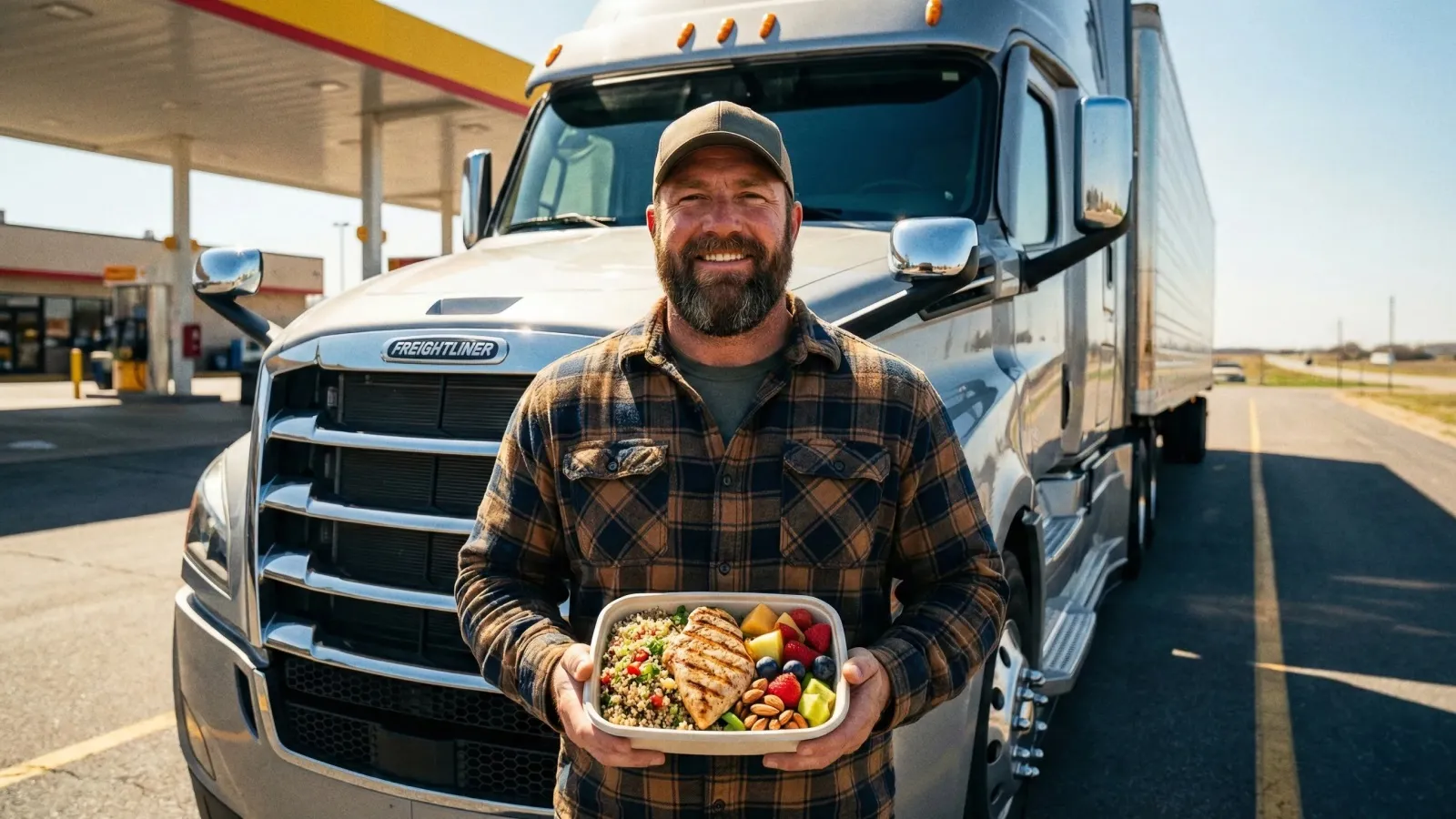
Life on the road makes eating well a real challenge. Long hours behind the wheel, irregular schedules, limited storage space, and menus filled with fried or processed foods can make it easy to gain weight, feel fatigued, and risk long-term health problems. The good news is that even small, realistic changes can have a big impact on energy, weight control, and overall health.
We focus on practical strategies that survive tight delivery windows, late-night fuel stops, and long stretches away from home. The goal is not perfection but creating habits that actually work for life on the road.
👉 Before starting any new diet or major nutritional change, you should consult a healthcare provider or registered dietitian, especially if you have chronic health conditions such as diabetes, hypertension, or heart disease.
Key Facts:
- Prolonged sitting and sedentary work are linked with higher risk of obesity, insulin resistance, and cardiovascular disease in large population health studies.
- Irregular meal timing and long gaps without eating can cause blood sugar spikes, fatigue, and reduced cognitive performance during driving.
- The USDA recommends balanced meals combining lean protein, fiber-rich carbohydrates, and healthy fats to maintain steady energy and appetite control.
- Even mild dehydration can negatively impact concentration, reaction time, and mood stability, affecting driving performance.
- Moderate calorie reduction (~10–12% daily intake) has been shown in clinical research to improve body composition, blood pressure, cholesterol, and glucose levels over time.
- Higher-protein intake (about 25–30+ grams per meal) supports satiety, muscle maintenance, and more stable energy levels for long-haul drivers.
Why Do Truck Drivers Need a Specialized Approach to Nutrition?
Eating well as a truck driver starts with understanding the unique challenges of the job. Sitting for long hours while staying alert and working irregular schedules affects metabolism, hunger signals, and energy levels.
Prolonged sedentary behavior (such as long periods of sitting) is strongly linked with increased risk of obesity, impaired glucose metabolism (including markers of insulin resistance), and cardiovascular disease risk. Scientific reviews and public health summaries show this association across adults, even when physical activity levels are considered.
You May Also Like: How to Stay Awake on Long Drives: Tips Every Truck Driver Needs
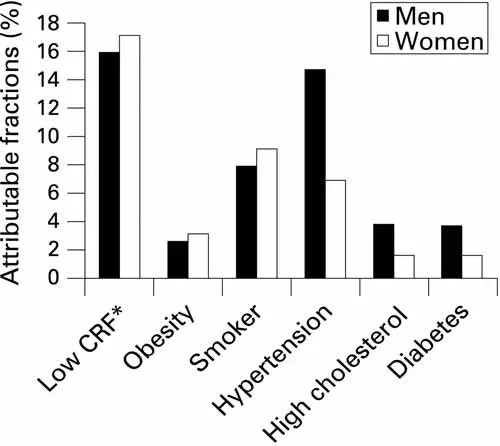
This means truck drivers are more likely than many other workers to face chronic health issues due partly to their work patterns.
The challenge is not simply calories. Long stretches without movement reduce metabolic rate, while erratic meal timing confuses hunger and fullness cues, often leading to larger portions, more frequent snacking, and a preference for fast, high-sugar foods that provide short-lived energy but poor long-term fuel.
Blood sugar spikes after large meals following long fasting periods can lead to fatigue, brain fog, and renewed cravings. That’s especially problematic when steady concentration is essential for safety. Predictable eating patterns and nutrient-dense meals help stabilize energy and support metabolic health, which is linked to both better daily performance and long-term disease prevention.
Sources such as the NIH and WHO emphasize that structured, balanced eating patterns reduce risks of metabolic and cardiovascular disorders.
Core Nutrition Principles Supported by Dietary Science
Balanced macronutrient intake is the foundation of sustainable nutrition. The U.S. Department of Agriculture (USDA) recommends meals combining lean protein, fiber-rich carbohydrates, and healthy fats. These combinations promote fullness and steady energy.
👉 Protein slows digestion, helps control appetite, and supports muscle maintenance even during long periods of sitting. Clinical research indicates that higher protein intake improves satiety and reduces total calorie intake.
👉 Fiber slows carbohydrate absorption, supports gut health, and helps regulate blood sugar. Diets high in fiber are associated with improved heart health and a lower risk of type 2 diabetes.
👉 Healthy fats from foods like nuts, seeds, and olive oil provide sustained energy without rapid blood sugar spikes.
👉 Hydration is equally critical. Even mild dehydration can reduce concentration and reaction time. Studies confirm that adequate hydration supports cognitive function and mood stability.
Detailed Breakdown of Healthy Meals for Truck Drivers
Practical, nutrient-dense meals are key to maintaining energy and focus. Breakfast sets the tone for the day.
⏱️ Morning options:
- Oatmeal topped with nuts and seeds
- Greek yogurt with berries
- Eggs with whole-grain toast
Skipping breakfast often leads to overeating later, especially after long driving periods.
⏱️ Lunch options (portable and nutrient-rich):
- Whole-grain wraps with grilled chicken
- Tuna packets with whole-grain crackers and sliced vegetables
- Quinoa or brown rice bowls with vegetables and lean protein
These meals travel well, require minimal prep, and help avoid high-sodium fast foods.
⏱️ Dinner options (lighter but complete):
- Baked chicken with mixed vegetables
- Salmon with quinoa
- Lean protein salads with a simple olive oil dressing
Heavy fried dinners late at night can interfere with sleep and destabilize blood sugar.
⏱️ Planned snacks:
- Almonds or mixed nuts
- Fruit like apples, bananas, or grapes
- Hard-boiled eggs
- Low-fat yogurt
Research shows that consistent meal timing and quality food choices improve metabolic control and reduce cravings, supporting both daily energy and long-term health outcomes.
Behavioral and Psychological Factors
Eating well on the road is more than knowing what foods are healthy.
Behavioral patterns, stress, and environment all influence choices. Long driving hours can lead to boredom eating, while tight deadlines and traffic stress can trigger cravings for high-calorie comfort foods. Establishing consistent eating habits reduces the number of decisions made under stress, making good choices easier.
Irregular schedules disrupt natural body rhythms that regulate hunger and digestion. Heavy late-night meals are more likely to be stored as fat and interfere with sleep quality. Smaller, evenly spaced meals support metabolic balance and reduce digestive discomfort, making it easier to rest effectively between shifts.
You May Also Like: Where Do Truck Drivers Sleep? Top 5 Spots You Should Know
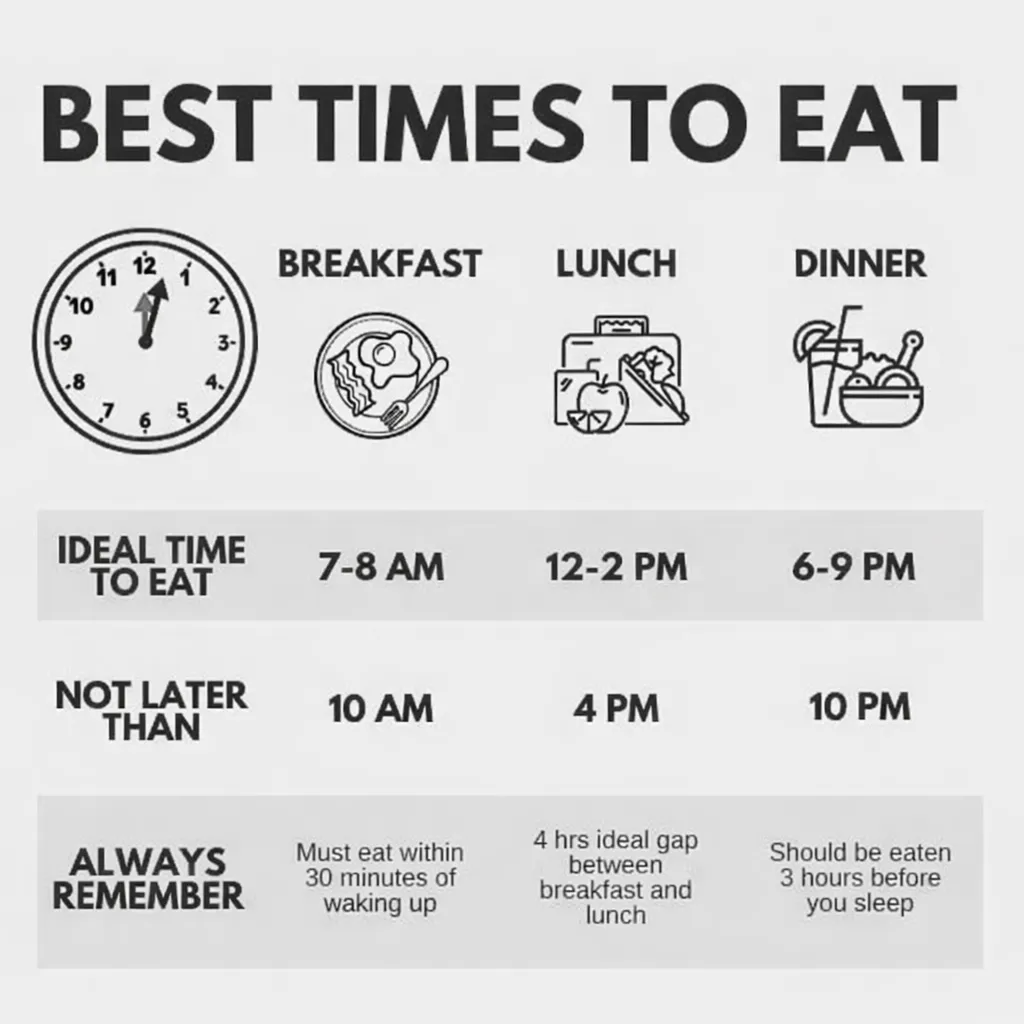
Over time, routine eating reduces mental fatigue and makes healthy habits automatic.
What Are the Best Diet Models For Truck Drivers?
There is no one-size-fits-all diet, but several approaches adapt well to the realities of trucking:
1. Mediterranean-style eating: emphasizes vegetables, whole grains, legumes, fish, and healthy fats. Linked to lower rates of heart disease and diabetes.
2. High-protein balanced diets: help control hunger and support gradual weight loss, preventing loss of lean muscle.
3. Moderate lower-carbohydrate approaches: can reduce fatigue after meals by stabilizing blood sugar, though extreme carb restriction may be hard to maintain.
4. Time-restricted eating: may help drivers with consistent schedules, though irregular deliveries can make strict fasting impractical.
The best approach fits real-life conditions while maintaining balance and flexibility.
How Can Truck Drivers Lose Weight On the Road?
Truck drivers seeking weight loss should avoid extreme diets. Evidence-based strategies preserve energy and muscle while reducing fat.
Risks of extreme calorie restriction:
- Loss of lean muscle mass, not just fat
- Greater hunger and cravings
- Lower energy and reduced focus
- Higher likelihood of rebound overeating
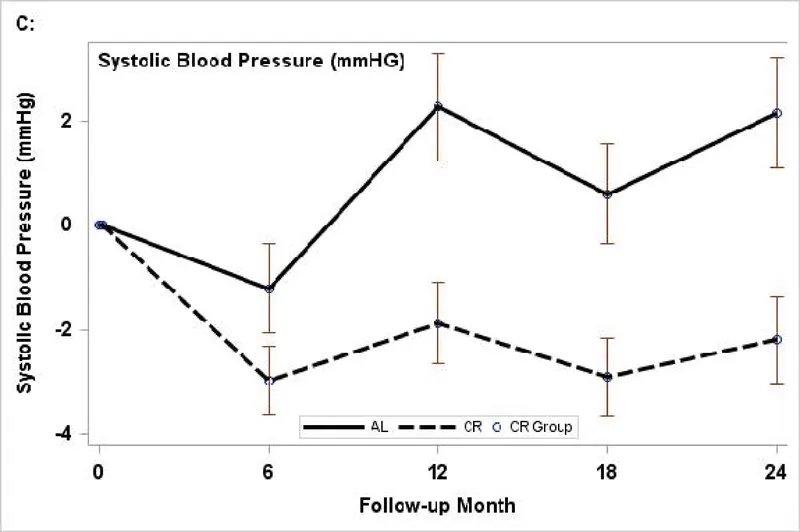
👉 Clinical research found that moderate daily calorie reduction (~10–12%) improved body composition, blood pressure, cholesterol, and glucose metabolism safely over two years, without harming strength or mental performance.
You May Also Like: Tips for Being Healthy Truck Driver
So, focusing on higher protein intake can further support safe and effective weight management for truck drivers:
- Maintains lean muscle during weight loss
- Increases satiety more than lower-protein diets
- Supports better fat loss outcomes
- Requires more energy to digest, aiding metabolism
Building on these benefits, truck drivers can apply practical protein goals to make weight management realistic on the road:
👉 25–30+ grams per meal
👉 Include protein in snacks (Greek yogurt, cheese, boiled eggs, tuna, nuts)
Replacing sugary drinks with water or unsweetened beverages reduces calorie intake and supports digestion and energy.
Verified research shows that balanced, consistent eating patterns improve energy, focus, and long-term health. Combining protein-rich meals, fiber-dense foods, steady hydration, and moderate portions tailored to driving schedules reduces disease risk, supports gradual weight loss, and enhances daily performance.
Success is measured not by strict dieting or perfection, but by repeatable, flexible choices that hold up mile after mile, delivery after delivery, and year after year on the road.
Remember, you should always consult a doctor or registered dietitian before implementing new diets, especially if you have pre-existing health conditions.
Frequently Asked Questions
What food is good for truck drivers on the road?
The best foods for truck drivers are those that provide steady energy, support focus, and help control hunger during long hours behind the wheel. Meals built around lean proteins, fiber-rich carbohydrates, and healthy fats tend to work best. Foods such as grilled chicken, tuna, eggs, Greek yogurt, whole grains, fruits, vegetables, nuts, and seeds can help maintain energy levels without the crashes often caused by highly processed snacks and sugary drinks.
How many calories should a truck driver eat a day?
There is no universal calorie target for every truck driver because daily needs vary based on age, body size, activity level, and personal health goals. In general, many adult truck drivers require between 2,000 and 3,000 calories per day to maintain their weight. Drivers who are trying to lose weight may benefit from a moderate calorie reduction while still consuming enough protein and nutrients to support energy, alertness, and muscle maintenance.
How to avoid gaining weight as a truck driver?
Avoiding weight gain on the road starts with consistency. Eating balanced meals at regular intervals helps prevent overeating later in the day. Choosing protein-rich foods, drinking plenty of water, limiting sugary beverages, and keeping nutritious snacks available in the cab can make a significant difference. Short walks or stretching breaks during stops can also help offset some of the effects of prolonged sitting. Sustainable habits tend to produce better results than restrictive diets.
What are easy no-cook meals for truck drivers?
Easy no-cook meals include options such as whole-grain wraps with turkey, tuna packets with crackers, Greek yogurt with fruit, cottage cheese, peanut butter sandwiches, pre-made salads with lean protein, and combinations of fruit, nuts, cheese, and hard-boiled eggs. These meals require little preparation, travel well, and provide a good balance of protein, carbohydrates, and healthy fats.
What do truck drivers eat for breakfast on the road?
A healthy breakfast for truck drivers should provide lasting energy rather than a quick sugar rush. Common choices include oatmeal with fruit and nuts, Greek yogurt with berries, eggs with whole-grain toast, protein shakes paired with fruit, or peanut butter on whole-grain bread. Starting the day with a protein-rich breakfast can help control hunger, support concentration, and maintain more stable energy levels throughout long driving shifts.


