



Another Round of ELD Removals: What Drivers and Fleets Must Do Now

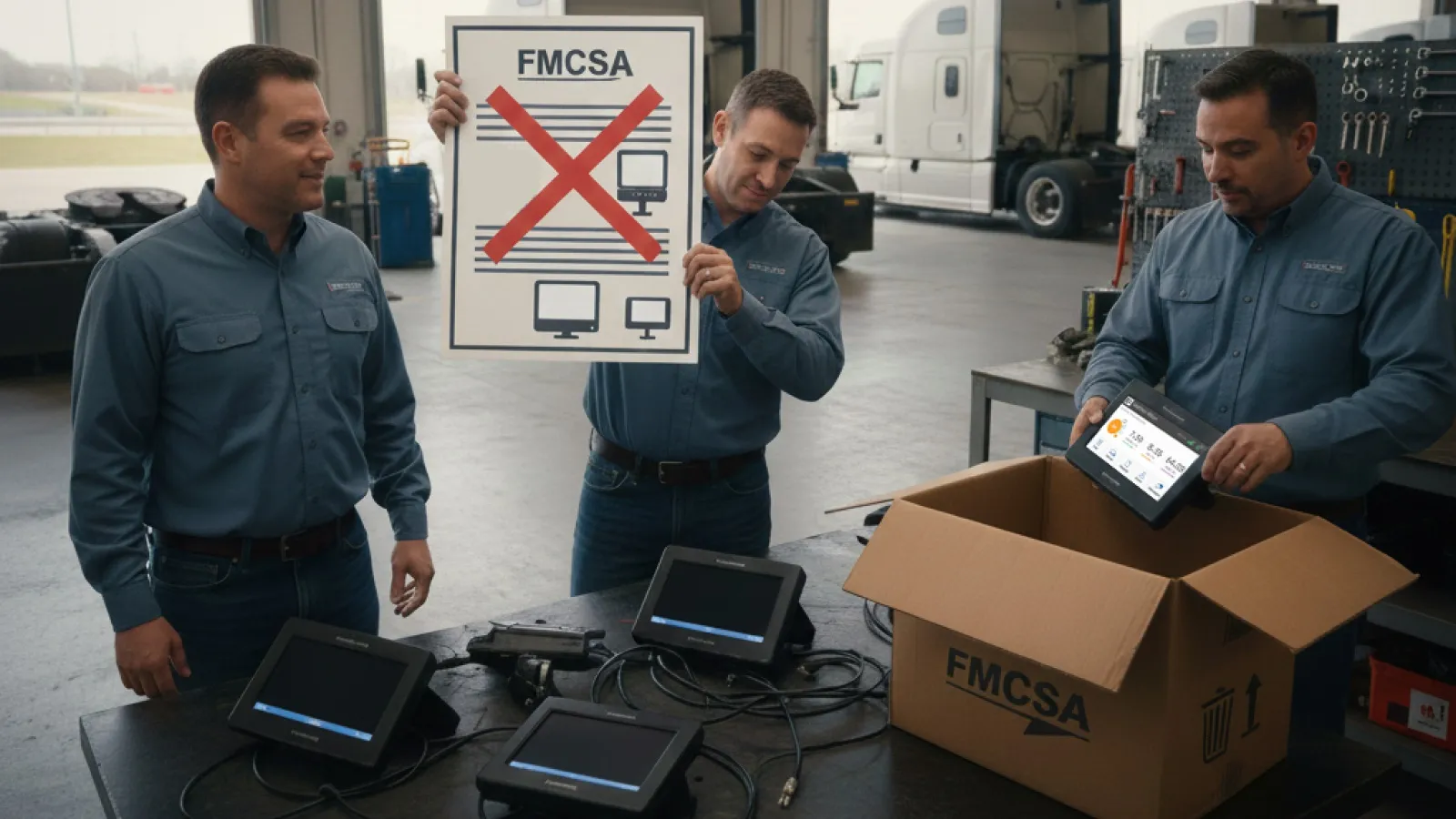
FMCSA again removed three more electronic logging devices from its approved list. If you’re using one of these, you have 60 days to swap it out, or you’ll be put out of service. No exceptions.
This isn’t the first time FMCSA has done this. Every time it happens, drivers and fleets who trust those devices to keep their logs accurate and their trucks legal get hit hard.
Key Facts:
- FMCSA has removed three Electronic Logging Devices (ELDs) from its registered list due to non-compliance with federal standards.
- Carriers using a revoked ELD have 60 days to replace the device before being placed out of service.
- Removed ELDs are linked to data accuracy issues, security concerns, and poor engine synchronization.
- Affected drivers must switch temporarily to paper logs until a compliant replacement system is installed.
- FMCSA requires ELDs to meet strict rules for Hours of Service recording, data integrity, and system reliability.
- Failure to replace a revoked ELD within the deadline can result in inspections, fines, and operational shutdowns.
Why Were These Devices Removed?
FMCSA says these devices no longer meet federal standards. The key concerns are data accuracy, record security, and proper syncing with the truck’s engine.
If a device falls short on these basics, FMCSA pulls it. Their job is to keep the Hours of Service system reliable and fair for everyone on the road.
Here’s a quick reference to the devices currently removed from FMCSA’s approved list:
You May Also Like: Latest Updates on FMCSA: What Truckers and Fleets Should Know Right Now
If you’re running one of these, it means switching back to paper logs temporarily, with a firm deadline to replace your device before you risk being put out of service.
What You Should Do Now
If your ELD appears in the list of revoked devices by FMCSA, you mustn't delay until the very last minute. Time is of the essence, and by being proactive, you will avoid the inconvenience of receiving a ticket, losing time due to vehicle or driver inspections, and paying money out of your pocket.
It is just such a straightforward plan that will allow your fleet to continue running without interruptions.
1. Identify If Your Device Is Affected
First, confirm if your current ELD is on the revoked list. Using any of these means, you have 60 days to make a change before risking being put out of service.
2. Research and Choose a Replacement Device
Use devices that comply with FMCSA regulations concerning the precision of data, the security of records, and engine synchronization. These suppliers are known for their dependability and continuous customer service. Selecting a reliable instrument lowers the probability of unexpected situations later on.
3. Order Your New Equipment Early
Don’t wait for the deadline to place your order. It may take a while for new ELDs to be shipped, installed, and set up. If you order in advance, you will not have to rush at the last minute, and your trucks will not have to stand unnecessarily.
4. Train Your Drivers Thoroughly
New devices imply new methods. You should definitely spend time instructing your drivers how to use the new ELD, record their hours correctly, and solve the frequently encountered problems. Drivers who have undergone good training are a great support in making the compliance process seamless and in avoiding mistakes that could result in the imposition of fines.
5. Get Comfortable With Paper Logs as a Backup
Yes, paper logs can feel old-school and frustrating, but they remain your safety net. If your new equipment is not set up or is having some sort of technical issues, paper logs will keep you in compliance and allow you to continue operating. Ensure that your drivers are aware of the proper methods of filling them out and that they have them readily available.
6. Monitor Updates and Stay Informed
Watching FMCSA announcements and industry news is very helpful. Being aware of standards and changes to the list of approved devices will help you to be prepared and avoid any unexpected situations.
By doing these things, you are safeguarding your fleet from being put out of action. The purpose of FMCSA is to promote safety and fairness, and abiding by their regulations keeps your trucks running legally and your business going.
Plan, act fast, and use this time to strengthen your compliance practices.


