



How to Stay Awake on Long Drives: Tips Every Truck Driver Needs


Long-haul trucking demands endurance, steady focus, and fast decision-making over extended hours. Fatigue remains one of the most predictable yet underestimated risks on the road. The good news is that it is also one of the most manageable when drivers rely on proven science, expert safety tips, and structured routines instead of guesswork.
We will combine sleep science, safety research, and real-world trucking practices into one practical framework that drivers can actually use on long hauls. Let’s start from the basics.
Key Facts:
- NHTSA classifies drowsy driving as impairing reaction time and judgment similarly to alcohol impairment.
- Circadian rhythm studies show alertness dips typically occur between 1–4 a.m. and 1–3 p.m.
- CDC research links insufficient sleep before driving with increased motor vehicle crash risk.
- AAA recommends stopping for a break approximately every 2 hours or every 100 miles during long-haul driving.
- Fleet monitoring systems may track fatigue indicators using in-cab sensors, cameras, or wearable devices.
The Biology of Fatigue and the Body’s Clock
Driver fatigue is more than just feeling tired. It is a biological process influenced by circadian rhythms, sleep quality, workload, and time on the road.
Research from the National Highway Traffic Safety Administration shows that drowsy driving slows reaction time and impairs judgment in ways similar to alcohol impairment. Even experienced drivers are affected when fatigue builds. Understanding these natural patterns is essential for staying awake on long road trips and avoiding falling asleep at the wheel.
👉 Circadian rhythms are the body’s internal 24-hour clock. They regulate alertness, body temperature, and mental performance.
According to the National Sleep Foundation, these rhythms create predictable dips in focus even after a full night of sleep. Most drivers experience natural drops in alertness between 1 a.m. and 4 a.m. and again between 1 p.m. and 3 p.m.
You May Also Like: Driving Tired vs Driving Drunk: Legal Risks, Statistics, and Real Cases for Truckers
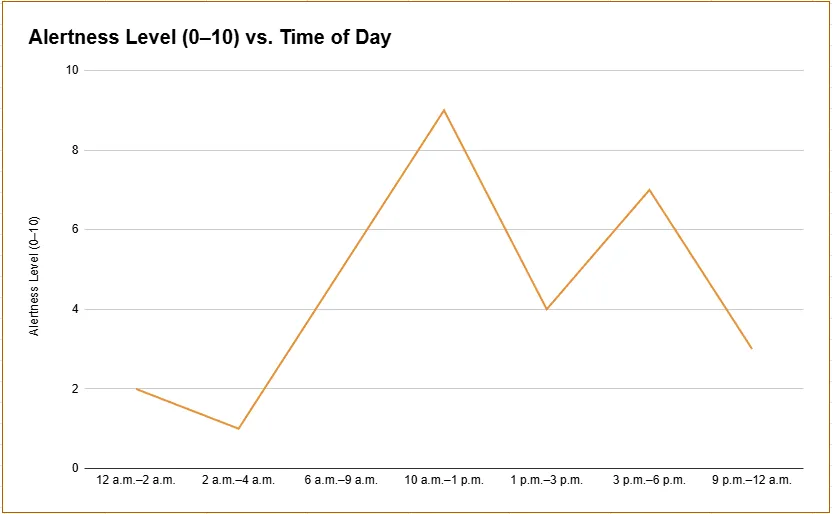
These low-energy periods are biological, not psychological. That is why willpower alone cannot stop drowsiness and why understanding the clock is key to staying alert during long drives and preventing sleep while driving.
Starting a trip without enough sleep makes these dips worse. Public health research from the Centers for Disease Control and Prevention confirms that insufficient pre-trip rest significantly increases crash risk.
Drivers who treat sleep as part of trip preparation rather than optional downtime maintain better attention, faster reaction times, and stronger hazard recognition. This makes it easier to stay awake while driving long distances alone and avoid sleep during driving.
Fatigue Prevention Strategies That Really Work
Preventing fatigue on long drives works best when combining expert guidance with practical routines.
Organizations like the AAA recommend structured breaks every two hours or roughly every 100 miles. Short stops restore circulation, reset attention, and reduce the risk of long-distance driving fatigue.
Professional drivers often follow a simple checklist to stay awake during long drives and fight sleepiness while driving:
👉 Take a short break every two hours to stretch, walk, and refresh focus.
👉 Use caffeine strategically and combine it with a 15 to 20-minute nap to stop feeling sleepy while driving.
👉 Keep the cabin slightly cool, maintain airflow, and sit upright to stay alert while driving long distances.
👉 Eat balanced meals with protein and complex carbohydrates instead of heavy, greasy foods.
👉 Watch for warning signs like frequent yawning, drifting lanes, missed exits, or memory lapses, which indicate it is time to rest and prevent sleep while driving
Following these tips can make a real difference on long drives. Here’s a video that puts these same strategies into action.
Seeing how these tips work in real life shows why acting before fatigue sets in matters. Even short microsleeps can be dangerous, so staying proactive is key on long drives.
Using Technology to Stay Alert and Prevent Sleep
Modern trucking increasingly relies on Internet of Things technologies to help drivers stay awake and alert on long drives. Connected fleet systems monitor driving hours, track steering patterns, and flag behaviors indicating fatigue.
👉 In-cab cameras or sensors and wearable devices track sleep, heart rate, and reaction times, giving drivers objective insight into alertness levels.
These technologies do not replace rest, breaks, or disciplined routines, but they provide an extra safety layer to stop sleep while driving, prevent sleepiness while driving, and avoid falling asleep at the wheel. Using this data helps drivers stay awake during long drives, maintain focus on solo journeys, and manage long-distance driving fatigue safely.
Plan your breaks, get proper rest, eat and move smart, and let technology help you catch warning signs before they become dangerous.
When you combine awareness, discipline, and a smart strategy, every mile becomes safer and every drive more controlled.


