



How the U.S. License Point System Affects Your Driving Record


The licence point system in the United States is managed at the state level, not federally. Every state assigns points to moving violations such as speeding, reckless driving, improper lane changes, and following too closely. When a driver reaches a certain number of points within a defined period, the state may suspend or revoke the license.
For commercial drivers, state points are only one part of the system. CDL holders are also subject to federal disqualification rules under the Federal Motor Carrier Safety Regulations. Even if your state license stays valid, serious violations can lead to losing your CDL at the federal level. That’s why understanding both systems is crucial.
Key Facts:
- Driver license points are assigned by individual U.S. states for moving violations such as speeding, reckless driving, and improper lane changes.
- Example thresholds: California suspends at 4 points (12 months), Florida at 12 points (12 months), Texas uses violation counts instead of a point system.
- Point retention typically lasts 3 to 5 years depending on the state, while violations may remain on driving records longer.
- CDL holders are subject to separate federal disqualification rules under FMCSA regulations, independent of state point systems.
- Serious CDL violations can trigger federal disqualification for up to 3 years regardless of state license status.
- Drivers can check points through DMV online portals, Motor Vehicle Records (MVR), employers, or approved third-party services.
How Does The Driver’s License Point System Work
Every state sets its own rules on how points are assigned for different driving violations. Minor offenses, like a small speeding ticket or improper lane change, usually add one or two points to your license. More serious offenses, such as reckless driving or DUI, come with higher point values.
States also decide how many points you can accumulate before facing penalties like probation, mandatory traffic school, or even license suspension. These penalties often depend on how many points you rack up within a certain time frame, like 12, 24, or 36 months.
You May Also Like: Driving With No Insurance? Fines, Tickets & Penalties You Need to Know in 2026
For example, California suspends a license at four points in twelve months, six points in 24 months, or eight points in 36 months. Florida suspends a license at twelve points in twelve months, eighteen points in eighteen months, or twenty four points in thirty six months.
Texas no longer uses points but suspends licenses after four moving violations in twelve months or seven in twenty-four months.
For CDL holders, the system does not stop there. Federal law does not count points at all. Instead, it tracks categories of violations and applies automatic disqualifications when limits are reached. This means a driver can lose a CDL even when the state license remains valid.
How Long Does a Point Stay on a License
How long a traffic violation point stays on your driving record depends on the state, but usually falls somewhere between three and five years. These points come from moving violations like speeding, improper lane changes, or reckless driving, and they help licensing authorities and insurers judge how risky a driver you might be.
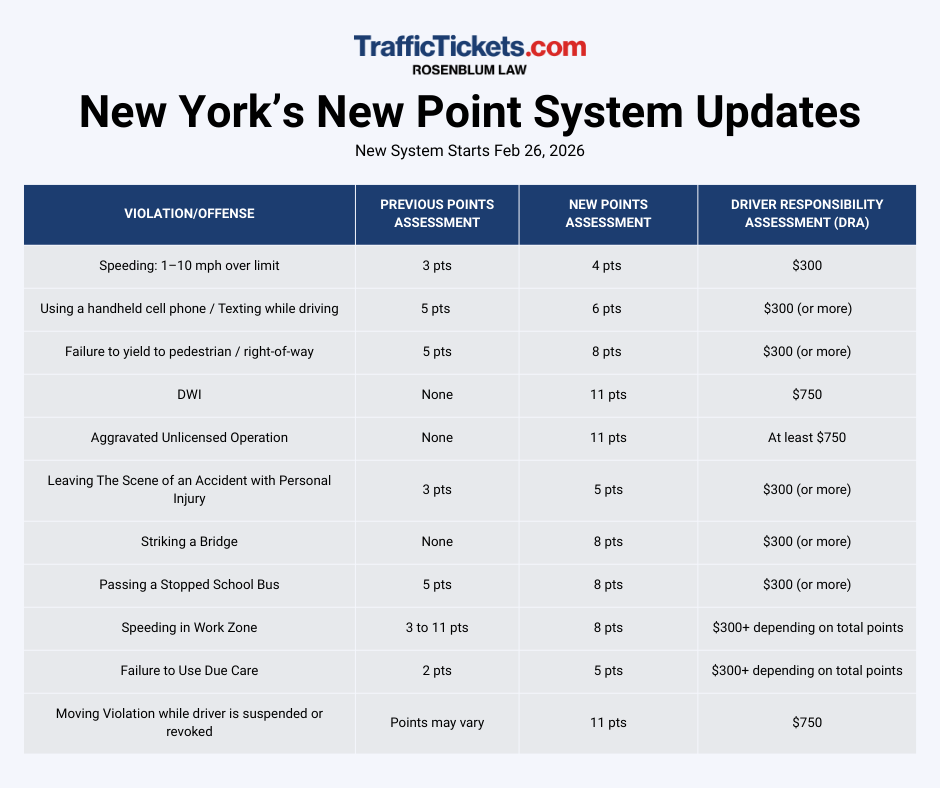
Take New York as an example. Traditionally, points stayed on your record for about eighteen months to four years, depending on the type of violation. But that’s changing soon.
Starting February 26, 2026, New York will implement some major updates to its point system, changes that were announced back on November 6, 2024. These are some of the biggest reforms in decades, shaking up how points are assigned, what penalties come with certain violations, and how suspensions and license restorations are handled.
You May Also Like: The MCS-150 Update: What Every Trucking Company Should Do
It’s important to note that once points expire, they no longer count toward license suspension thresholds. However, the violation itself may stay on your full driving record for much longer, sometimes seven years or more.
For commercial drivers with a CDL, federal regulations under the Federal Motor Carrier Safety Administration (FMCSA) operate alongside state rules. While states track points, the FMCSA monitors serious violations separately, maintaining data for longer periods, especially for offenses that affect CDL eligibility.
For example, serious traffic violations count toward federal disqualification for 3 years.
Understanding how long points remain active is crucial. Accumulating too many points within the retention period can lead to license suspension, loss of your CDL privileges, increased insurance premiums, and potential job loss in the trucking industry.
How To Check The Point In Driver's License
Knowing how many points you have on your driver’s license is essential, especially for commercial drivers. Points affect your license status, insurance rates, and employment eligibility in the trucking industry.
Here’s how you can check your points:
1. State Department of Motor Vehicles (DMV) Website
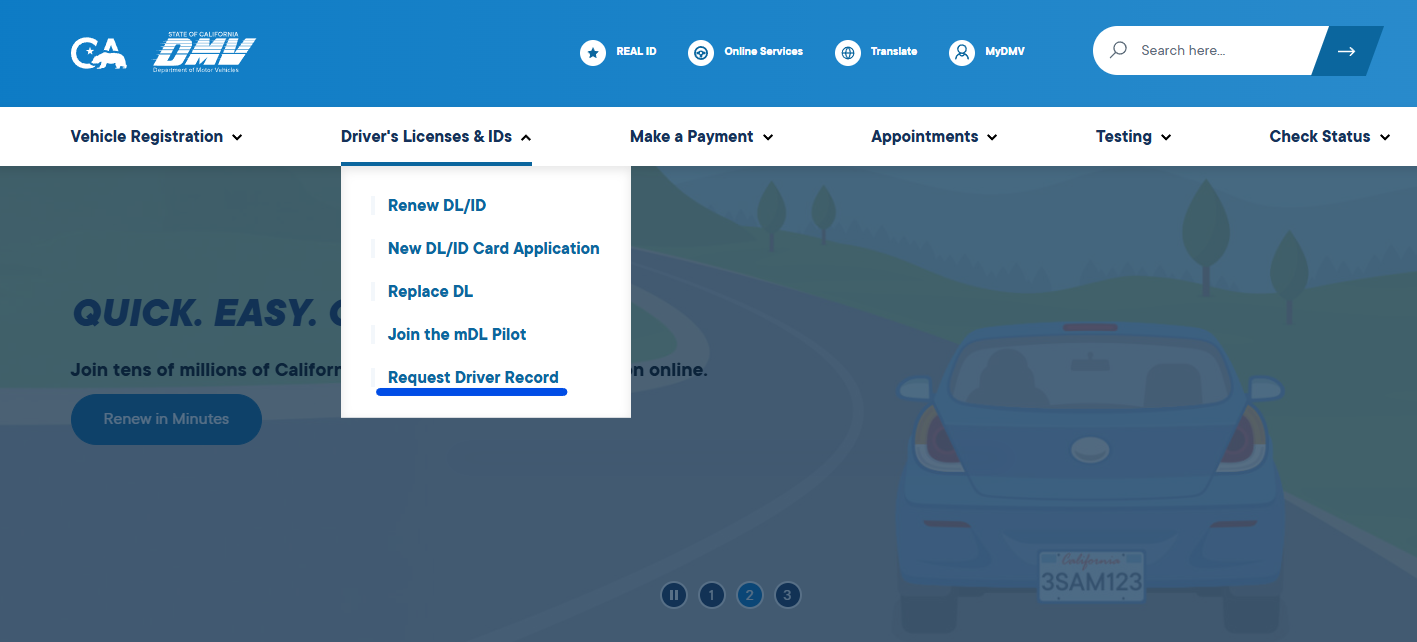
Most states offer an online portal where you can log in or create an account to view your driving record. This record usually includes your current point total, traffic convictions, suspensions, and license status.
For example, California’s DMV website allows you to request a driver record online for a small fee.
You May Also Like: How to Deal With a Traffic Ticket Without Losing Your Nerves
2. Request a Motor Vehicle Record (MVR)
You can formally request your driving record from the DMV either online, by mail, or in person. This document, often called a driver’s abstract, lists your points, convictions, suspensions, and other relevant license information. Some states charge a fee for this service.

3. Check through the employer or Carrier
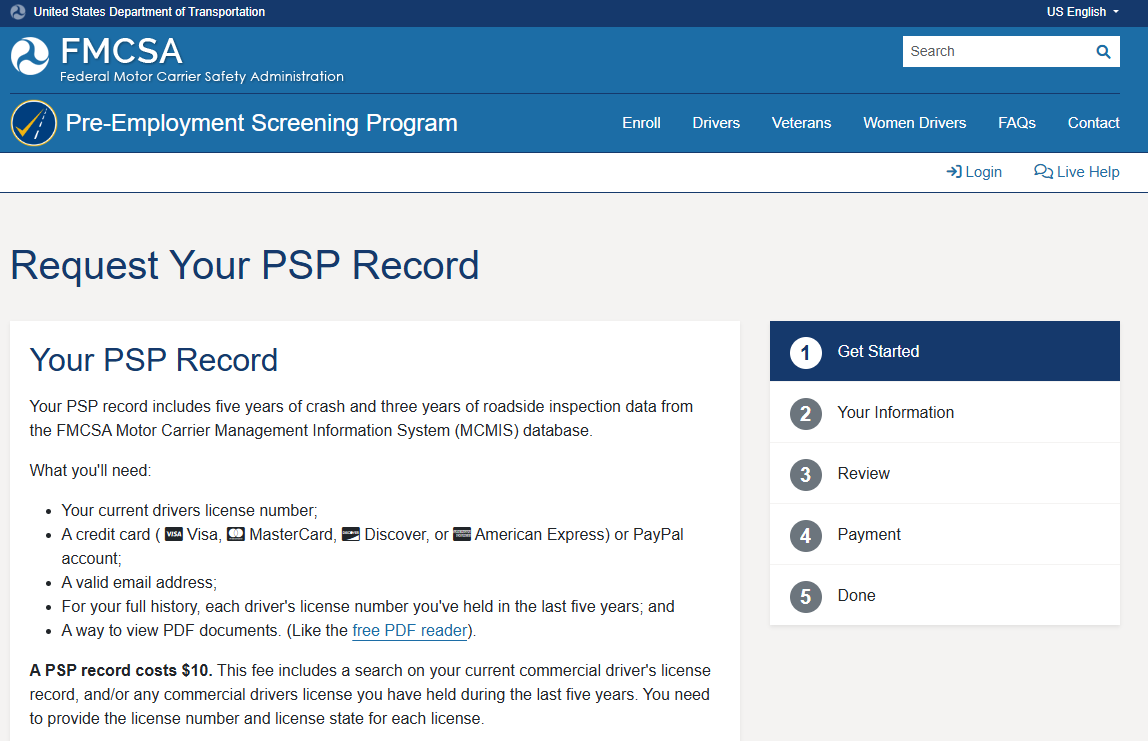
For CDL drivers, your employer or carrier may access your driving record via the FMCSA’s Pre-Employment Screening Program (PSP)* or directly through the state DMV. You can ask your safety manager or HR department to provide a copy of your current record.
The FMCSA Pre-Employment Screening Program (PSP) is a database service from the Federal Motor Carrier Safety Administration (FMCSA) that allows trucking companies to review a driver’s 5-year crash history and 3-year roadside inspection history before hiring them.
4. Use Third-Party Services
Several private companies offer driving record checks for a fee. While convenient, it’s best to rely on official state records to ensure accuracy, especially for legal or employment purposes.
If you drive commercial vehicles, managing your licence points is more than just paperwork. It can mean the difference between staying on the road and facing suspension.
Keep informed about the licence point system, know how to check your points, and always stay current with traffic laws near you.


