



Before You Cross a Pass: The Weather Cameras Truckers Check First

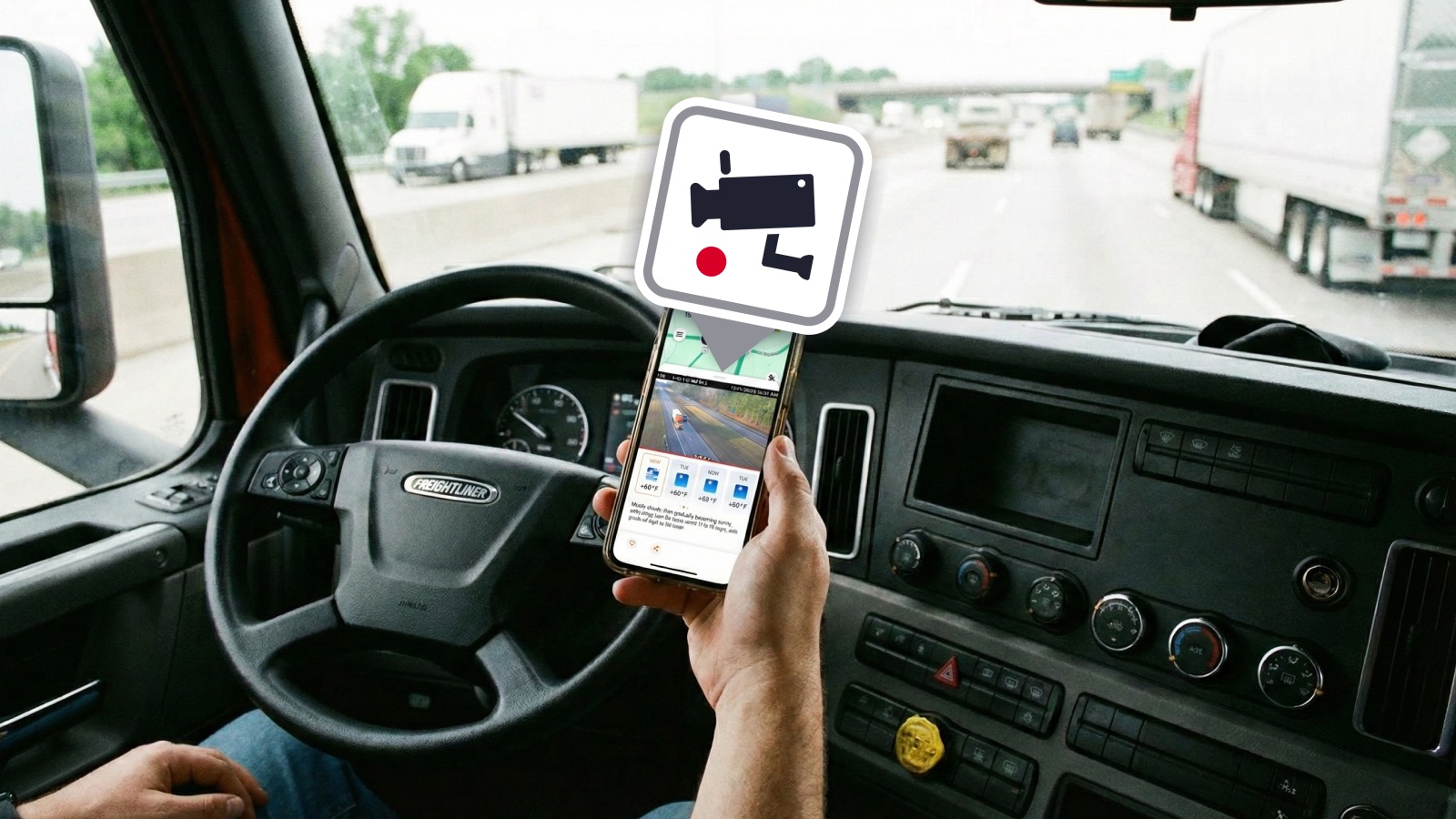
If you’ve been behind the wheel for any length of time, you know how quickly weather can turn a smooth drive into a tricky situation. Snow, fog, rain, or ice can show up when you least expect it. That’s why having real-time info about what’s really happening on the roads can make a huge difference.
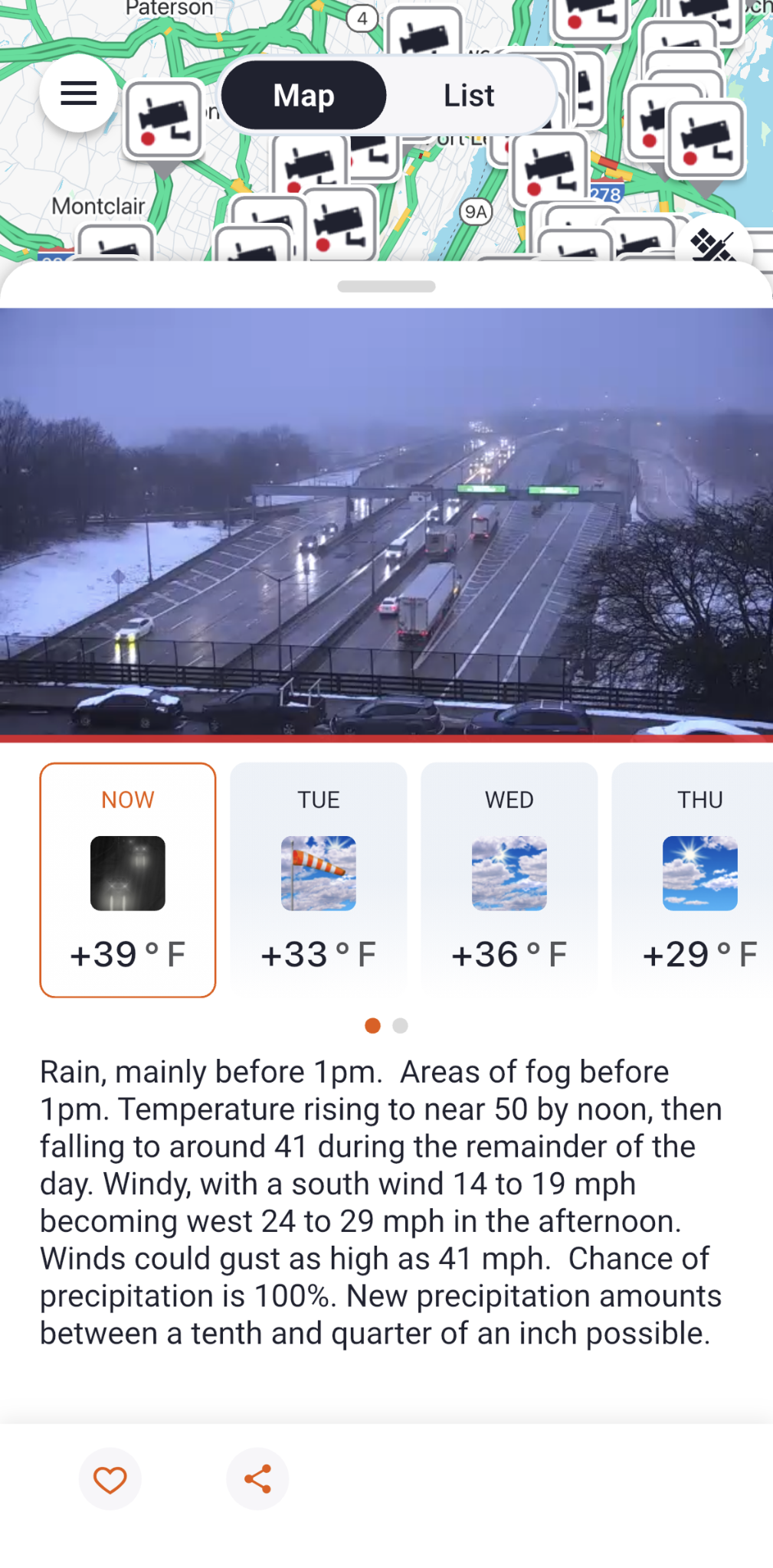
Weather cameras do exactly that. They give you live pictures of the road and weather conditions, helping you see what’s coming before you get there.
Let’s talk about why weather cameras are a must for truckers and how Trucker Guide makes it simple to use them.
Key Facts:
- Weather cameras provide live roadside images of current road and weather conditions.
- Feeds are typically operated by state Departments of Transportation (DOTs) across the U.S. and Canada.
- Camera views can show snow, ice, rain, fog, and visibility levels on highways and bridges.
- Major programs include CDOT (Colorado), IDOT (Illinois), and MNDOT (Minnesota) camera networks.
- Weather camera data is updated in real time and used for route planning and safety decisions.
- Trucker Guide aggregates multi-state over 80,000 DOT camera feeds into a single access platform.
.png)
What Are Weather Cameras and Why Should Truckers Care?
Weather cameras are those roadside cameras you often see on highway signs or traffic reports. They’re set up by state transportation departments to give live views of roads and weather. The great thing is, you don’t have to rely only on forecasts or radar maps that sometimes miss what’s really happening down on the asphalt.
For truckers, this means you can check if the roads are slick, covered in snow, or just wet from rain. You can even see if visibility is bad because of fog or heavy rain. That kind of info helps you decide if it’s safe to keep going, slow down, or find another way.
Trucker Guide brings together these live camera feeds from across all states into one easy spot. So instead of jumping from site to site, you get what you need fast.
You May Also Like: Truck Hazards Costing You Time? Plan Safer Routes and Avoid Delays
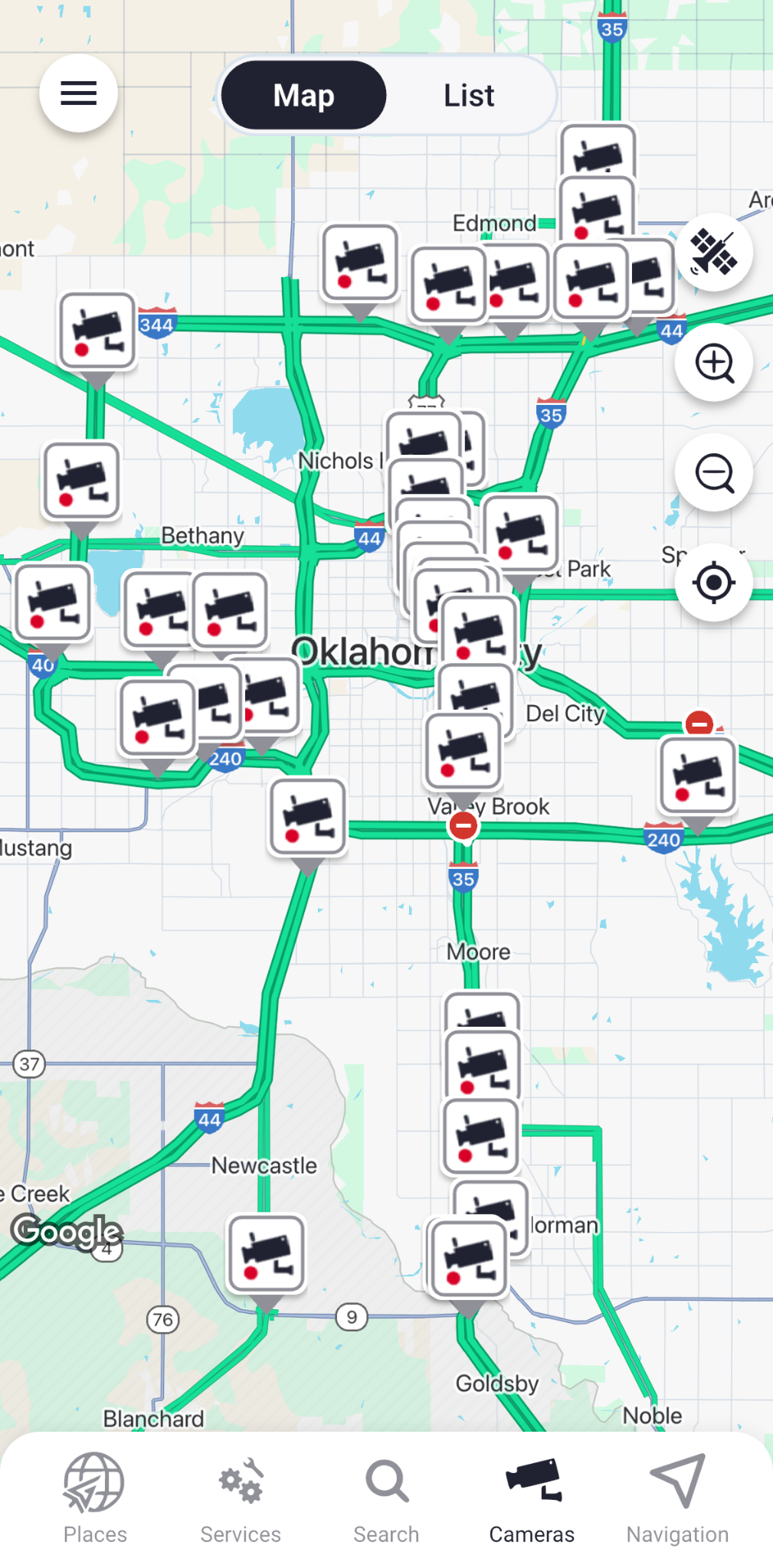
Different Kinds of Weather Cameras You’ll Run Into
Not every weather camera shows the same thing, and knowing the difference helps you get the info you want quicker:
- Weather Road Cameras: These cameras zoom in on the road itself so you can see if it’s wet, icy, or covered in snow. Perfect for checking pavement conditions.
- Traffic Weather Cameras: These give you a look at both weather and traffic flow, so you know if bad weather is slowing things down.
- Highway Weather Cameras in Canada: Usually up high on major highways, these show a wider stretch of road, giving you a heads-up on what’s coming for miles.
- State DOT Cameras: Each state sets these up in spots where weather hits hard or traffic piles up, mountain passes in Colorado, busy highways in Illinois, or snowy corridors in Minnesota.
With Trucker Guide, you get access to a bunch of these cameras from different states all in one place. No need to hunt around multiple sites.
How Truckers Use Weather Cameras to Make Smarter Calls on the Road
Here’s where weather cameras really pay off. Before you start a trip, checking camera feeds along your route lets you see what you’re about to face. If you spot snow stacking up on mountain passes or ice on bridges, you can decide if it’s worth waiting or if there’s a better route to take.
While driving, you can keep an eye on live feeds ahead to spot changes. Thickening fog, backed-up traffic, or slick roads — seeing that early means you can slow down or adjust before it becomes dangerous.
You May Also Like: Improve Route Safety with Real-Time Road and Weather Updates
And when you spot delays or bad conditions, you’re ready to update your dispatcher or customers without surprises.
Trucker Guide makes all this simple by putting all these camera views right at your fingertips. No more scrolling through different websites.
How State DOT Cameras Help Truckers Stay Safe on Tough Roads
Each state’s transportation department knows its roads best and sets up cameras where they’re needed most:
- CDOT Cameras: Colorado’s mountain passes can change fast. Their cameras keep an eye on snowy, icy spots to warn drivers.
- IDOT Cameras: Illinois has busy city highways and rural roads that get foggy or icy. Their cameras help keep trucks rolling safely.
- MNDOT Cameras: Minnesota’s winter highways are no joke, with snow and ice that can trap trucks if you’re not ready. Their cams show real-time conditions.
Trucker Guide pulls these feeds together so truckers get a big-picture view without juggling websites.
Using Weather Camera Maps to Plan Your Trip Like a Pro
Maps showing where the cameras are located make checking conditions easier. You can zoom in on tricky spots and flip between cameras to see how conditions change along your route.
Trucker Guide’s weather camera map is built for truckers. It shows cameras on your highways and lets you check multiple views quickly. Instead of guessing what’s ahead, you get a clear picture and can plan stops or detours with confidence.
You May Also Like: Smart Fleet Dispatching with Live Traffic Cameras and Weather Insights
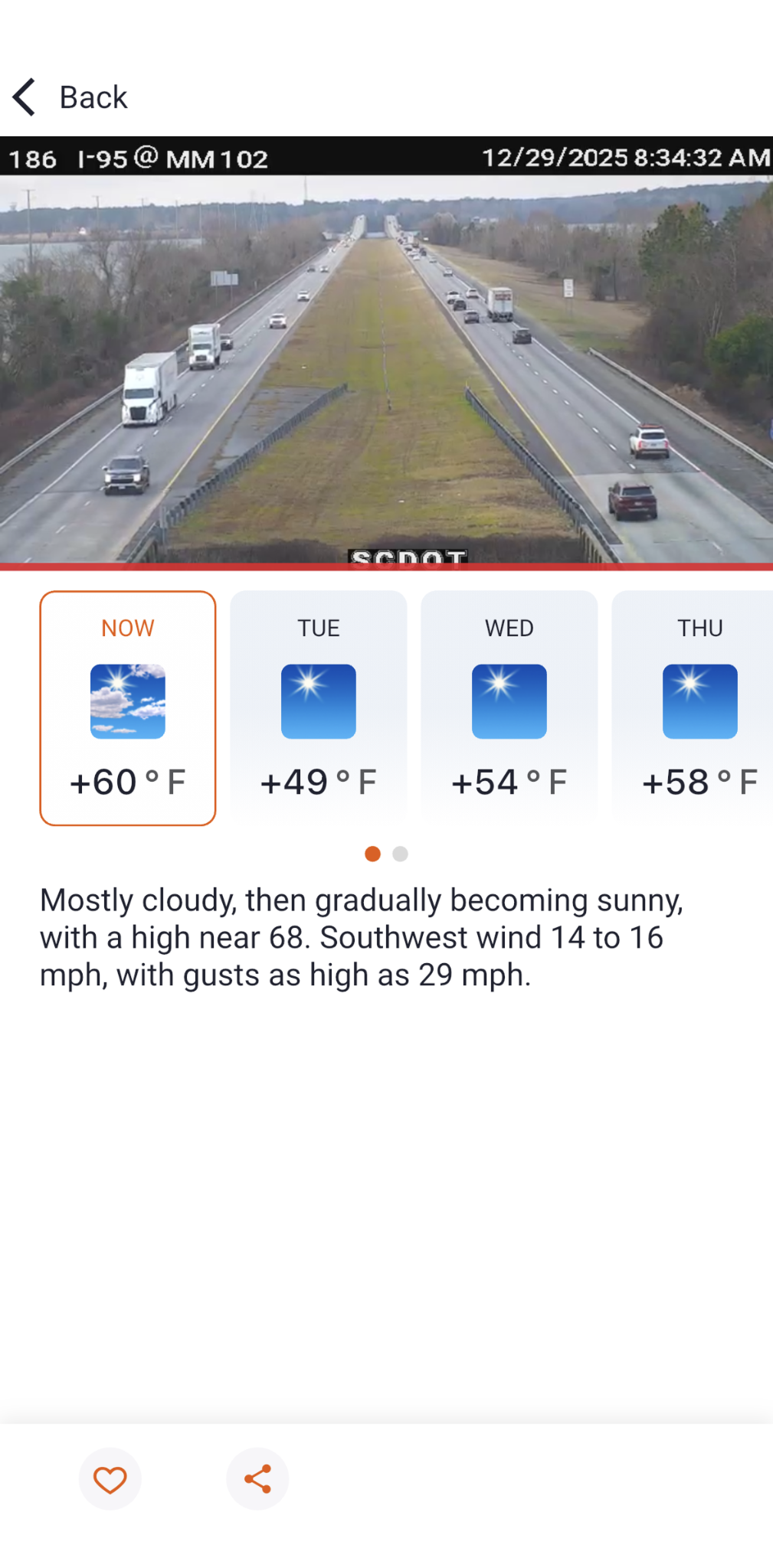
When you combine your experience with real-time camera views, you’re driving smarter. That means safer trips, fewer delays, and less stress behind the wheel.
Don’t hit the road without checking the weather cams. Visit Trucker Guide today and see live road and weather conditions from hundreds of cameras across the country.
Stay safe, stay informed, and keep your truck rolling.


