



Women Truck Drivers: Building Careers on the Open Road

Truck driving is both a skill and a lifestyle. It’s a profession that requires discipline, planning, and resilience. As of 2026, the industry is evolving rapidly, offering more opportunities than ever before for women to build not just a job, but a sustained and rewarding career.
For those ready to take the first step, exploring the best CDL Schools can help you find training programs that match your goals and schedule.
We will break down every phase of the trucking journey with depth and clarity, offering real insight into how to prepare, enter, advance, and succeed in the trucking profession.
Key Facts:
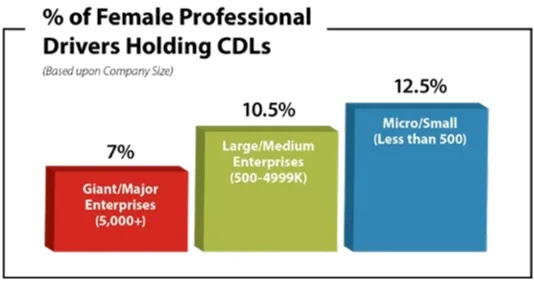
- Approximately 9.5% of truck drivers in the U.S. are women, with smaller carriers reporting about 12.5% and larger fleets around 7% female representation.
- The trucking industry requires tens of thousands of new drivers annually to replace retiring workers and meet freight demand (ATA estimate).
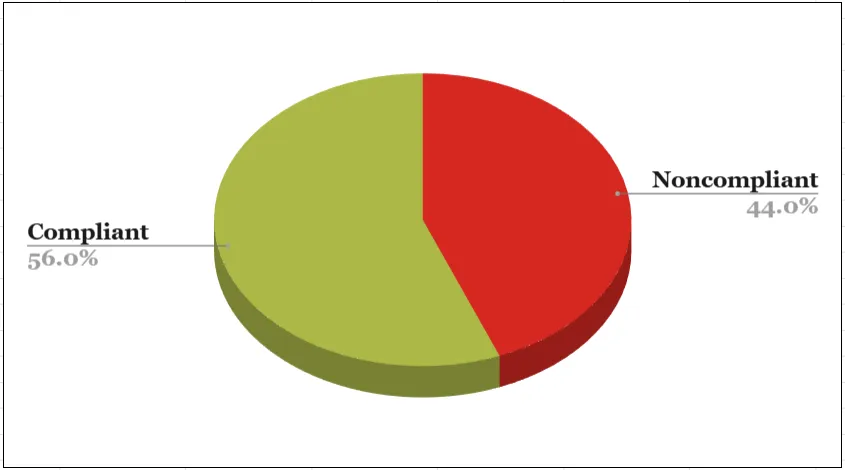
- A federal review found that about 44% of CDL training programs do not meet minimum training standards, impacting entry-level driver readiness.
- Entry-level driving roles include local, regional, OTR, dedicated, specialized freight, owner-operator, and intermodal positions, each differing in home time, pay, and complexity.
- Team driving allows trucks to operate nearly continuously under Hours-of-Service rules, often increasing total weekly miles and earning potential compared to solo driving.
- Common CDL endorsements (Hazmat, Tanker, Doubles/Triples, Passenger) can increase earning potential and require additional certification and training.
What Percentage of US Truck Drivers Are Women?
👉 Roughly 9.5 percent of professional truck drivers in the United States are women, reflecting steady growth compared to earlier decades. According to the latest report from the Women in Trucking Association, representation varies by company size.
Smaller carriers with fewer than 500 employees report a higher share of female drivers, around 12.5 percent, while larger fleets average closer to 7 percent. This suggests that smaller operations may offer more accessible entry points and supportive environments for women entering the profession.
Although women still make up a minority of drivers overall, their presence is notably stronger in supervisory roles, dispatch operations, safety leadership, and executive positions. This trend highlights not only increased participation behind the wheel but also growing influence in decision-making and operational leadership across the trucking industry.
This shift isn’t incidental. It reflects deliberate industry evolution, carrier recruitment initiatives, advocacy efforts, and structural hiring changes. Organizations focused on representation and women’s advancement have influenced hiring practices, mentorship programs, safety training, and internal policies at companies of all sizes.
From a broader perspective, carriers are under pressure to recruit and retain drivers due to ongoing workforce shortages. As a result, recruiting strategies have changed.
Today’s employers are increasingly mindful of flexible home‑time options, structured onboarding programs, mentorship pairings, and transparent communication - aspects that benefit all drivers but particularly support women in navigating early career challenges.
Can Females Become Truck Drivers?
Yes. Before you can drive professionally, you must obtain a Class A Commercial Driver’s License (CDL). It is the industry‑recognized credential that certifies your ability to operate large commercial vehicles. This process involves focused training on both classroom principles and real driving proficiency.
Truck driving training programs vary widely, but the best programs have several shared strengths:
👉 Instruction that’s aligned with current safety and regulatory standards
👉 Extensive hands‑on driving experience on highways, surface streets, docks, and under variable conditions
👉 Preparation for state testing with robust support through the knowledge and skills exams
👉 Career transition support that connects graduates directly to career opportunities
A federal review of CDL programs found that nearly 44% of all programs did not meet minimum training standards. This makes it more important than ever to research schools carefully. Quality programs ensure that when you finish training, you are employable, not just licensed.
You May Also Like: How to Drive a Truck with a Trailer: Expert Tips
In addition to training content, the learning environment matters. For many women, programs that emphasize mentorship, pair you with experienced instructors who understand real road conditions, and offer guidance beyond basic instruction lead to stronger performance in real trucking situations.
Scholarships and funding support from organizations such as the Women In Trucking Foundation help make high‑quality training accessible. These resources reduce financial barriers and connect trainees with carriers that actively recruit drivers from these programs.
Once you have your CDL, the transition into your first freight flight can feel both exciting and overwhelming. Your early career choices set the foundation for your long‑term trajectory.
Types of Early Driving Roles
When starting your trucking career, you’ll find a range of driving options designed to help you build skill, confidence, and professional experience. The right choice depends on your personal goals, comfort with time on the road, and the type of support your employer provides. Typically, drivers begin in one or more of the following roles:
👉 Local Routes: These involve shorter trips, usually allowing drivers to return home each night. Local routes are ideal for developing foundational skills such as navigating dispatch systems, performing pre-trip inspections, and handling deliveries in urban or suburban environments. The shorter distances allow new drivers to gain experience while maintaining a predictable schedule.
👉 Regional Routes: Covering multiple states but still offering regular home time, regional routes expose drivers to varied traffic conditions, longer drives, and different weather or road challenges. These routes build endurance, route-planning skills, and adaptability while maintaining a degree of predictability in your schedule.
👉 Over-the-Road (OTR) Routes: Long-haul trips that keep drivers away from home for days or weeks at a time. OTR positions often pay more due to extended mileage and responsibility, but they demand advanced planning skills, self-reliance, and a strong understanding of safety and compliance regulations.
👉 Dedicated Routes: Drivers handle the same route consistently, often servicing the same company or customer. Dedicated driving offers predictability, routine, and familiarity with cargo handling, which many drivers find reduces stress and improves efficiency.
👉 Specialized Freight (Flatbed, Tanker, or Hazmat): Specialized freight requires additional skill, training, or endorsements. Flatbed drivers must secure variable loads safely, while tanker or Hazmat drivers transport liquids or hazardous materials under strict safety protocols. These roles usually offer pay premiums but demand close attention to safety and detail.
👉 Owner-Operator Routes: Owner-operators manage their own business, contracting directly with carriers or brokers. This path offers independence, higher earning potential, and entrepreneurial growth, but also requires handling finances, maintenance, insurance, and contracts independently.
👉 Small Carrier or Intra-State Freight: Smaller carriers often provide mentorship, flexible scheduling, and exposure to multiple types of freight. These positions are excellent for learning a variety of skills quickly in a supportive environment.
👉 Seasonal or Temporary Contract Driving: Some drivers take short-term assignments during peak freight seasons, agricultural cycles, or temporary projects. This allows exposure to different freight types and carriers without long-term commitment.
👉 Intermodal or Rail Yard Shuttle Driving: Drivers transport freight between ports, rail yards, and storage facilities, navigating tight spaces and time-sensitive schedules. These roles help new drivers develop maneuvering skills and an understanding of complex logistics operations.
As you progress through these early driving roles and gain confidence behind the wheel, many drivers start exploring positions that offer longer routes, higher mileage, and more complex freight.
If you want a visual breakdown of the variety of truck driving opportunities out there, check out this video:
Once you’ve gained experience and confidence, many drivers start looking for ways to cover more ground without going it entirely alone. That’s where team driving comes in.
Team Driving and Extended Routes
Team driving is an increasingly popular option for women entering trucking, especially on long-haul routes. Instead of handling a truck alone, two drivers share the responsibilities, alternating driving and rest periods. This setup allows the truck to cover more miles in less time while maintaining compliance with federal hours-of-service regulations.
So, why consider team driving?
1. Higher Mileage, Higher Pay: Since the truck is moving almost continuously, teams can often log more miles per week than solo drivers, which typically results in higher income.
2. Safety and Support: Sharing the road with a partner reduces isolation and allows new drivers to learn from experienced teammates, offering real-time feedback and mentoring.
3. Efficiency and Specialization: Teams can take on tight deadlines or long, demanding routes that might be difficult for a solo driver to handle alone.
Not all team arrangements are the same. Successful partnerships require clear communication, shared expectations, and complementary work habits. For women, pairing with a reliable, respectful teammate can provide confidence early in a career and build essential long-haul experience faster.
Companies increasingly recognize the benefits of team driving for retention. Many carriers actively recruit female team drivers or match new female drivers with experienced mentors to improve comfort and success rates.
How Much Do Female Truck Drivers Earn In the USA?
Beyond base pay, one of the most effective ways to increase earnings as a driver is through endorsements - official certifications that authorize you to handle specialized freight. These certifications not only expand the types of loads you can carry but also often carry pay premiums due to added responsibility.
Common endorsements include:
👉 Hazardous Materials (Hazmat): Required for transporting regulated chemicals or fuels. Hazmat-certified drivers can command higher pay and more selective routes.
👉 Tanker: For liquid loads such as fuel or chemicals, tanker endorsements often bring additional bonuses.
👉 Doubles/Triples: Allow hauling multiple trailers at once, often increasing miles-per-week and compensation.
👉 Passenger Endorsements: Needed for buses or other commercial passenger transport.
Endorsements require additional training, which many carriers support financially or provide in-house. For example, completing Hazmat training in your first year and tanker certification in the second allows drivers to progressively increase earning potential without overwhelming themselves early on.
You May Also Like: How the U.S. License Point System Affects Your Driving Record
In addition to endorsements, pay can be influenced by:
1. Route Type: OTR generally pays more than local routes; specialized freight carries higher premiums.
2. Mileage and Load Bonuses: Carriers increasingly offer bonuses for safety, on-time delivery, or exceeding mileage thresholds.
3. Tenure and Performance: Experienced drivers consistently receive higher pay and access to preferred routes.
By combining strategic endorsement planning with careful route selection and consistent performance, female drivers can maximize income while building a strong professional reputation.
Choosing the Right Employer: Beyond Base Pay
Selecting a trucking company isn’t just about compensation. Your choice affects daily work life, safety, mentorship, advancement opportunities, and overall career satisfaction.
Key factors to consider include:
👉 Structured Onboarding: Does the company provide orientation programs, mentor pairings, and safety training? High-quality onboarding improves confidence, reduces mistakes, and accelerates long-term growth.
👉 Career Development Opportunities: Companies offering internal promotion pathways, endorsement reimbursement, and leadership training allow drivers to grow into supervisory or specialized roles over time.
👉 Supportive Culture for Women: Female-friendly policies, anti-harassment standards, and access to peer networks can significantly improve retention and satisfaction. Organizations that actively monitor female driver retention rates and implement mentorship programs are often more welcoming.
👉 Transparent Pay and Benefits: A clear explanation of pay structure, bonus programs, and reimbursement policies helps drivers plan finances realistically. Lack of transparency can lead to early dissatisfaction.
👉 Home Time Predictability: Consider how the company schedules routes, manages dispatch, and balances work-life expectations. Predictable home time reduces burnout and supports personal well-being.
Recruiters now evaluate candidates for traits that correlate with success, not just experience. Demonstrating initiative, awareness of safety standards, and clear career goals signals to recruiters that you are committed to a long-term career. Carriers who hire with this lens are more likely to pair you with supportive teams, structured mentorship, and routes aligned with your skills.
So, truck driving is more than a job. It offers skill, independence, and opportunity. For women, the industry is opening doors at every level. With the right training, mentorship, and strategy, a trucking career can bring growth, confidence, and long-term reward.
The road is ready. Take the wheel.
Frequently Asked Questions
What are the best trucking companies for women drivers?
The best trucking companies for women drivers are those that offer structured onboarding, mentorship programs, predictable home time, and strong safety and anti-harassment policies. Both large national carriers and smaller fleets with women-focused recruitment programs tend to provide the most supportive environments.
Do trucking companies offer paid CDL training for women?
Yes, many trucking companies offer paid CDL training for women. These programs typically cover CDL school costs in exchange for a work commitment after graduation and often include hands-on training, mentorship, and guaranteed job placement with the carrier.
Is it safe for women to be truck drivers?
Yes, trucking can be safe for women drivers when proper training, company support, and safety practices are in place. Safety depends heavily on the employer, route type, and preparation, and many carriers now invest in better security systems, communication tools, and driver support programs.
What organizations support women in trucking?
Organizations that support women in trucking include the Women In Trucking Association and the Women In Trucking Foundation, which provide advocacy, scholarships, mentorship, and career development resources.


