



Local vs. Long Haul Truck Driving: Which Career Fits You Best?

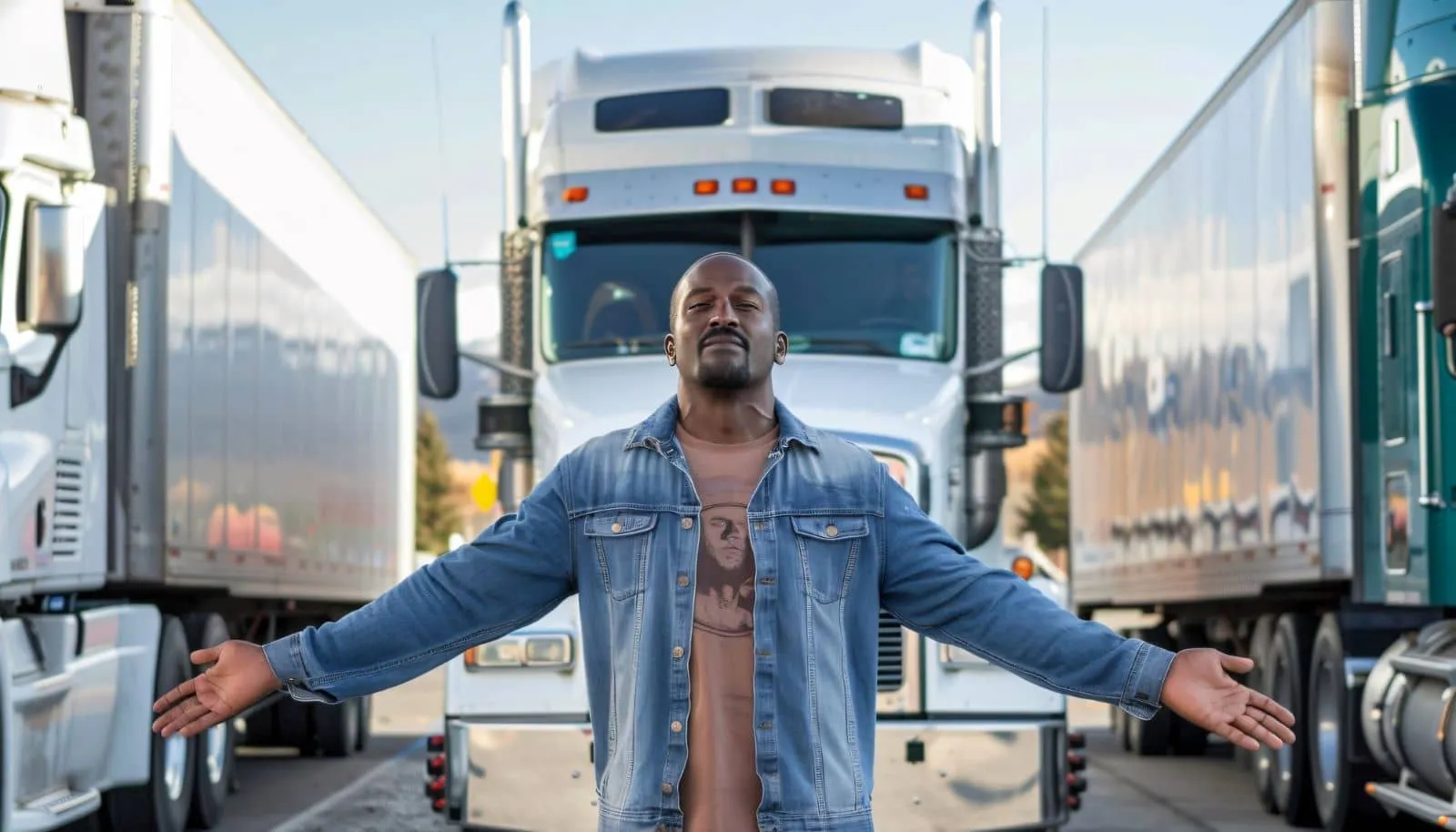
Choosing between local and long-haul trucking depends on lifestyle, income expectations, and how much time a driver wants to spend on the road. Both roles are essential to the supply chain, but they offer very different daily routines, schedules, and earning structures.
Whether you're an experienced driver seeking a new direction or just starting out in the field, understanding these roles is essential for finding the perfect fit for your skills and needs.
Let's delve into the world of trucking to explore the roles of long haul and local truck drivers in more detail.
Key Facts:
- Long haul (OTR) truck drivers transport freight over long distances, often 500+ miles per day and across states
- They may stay on the road for weeks at a time, operating large tractor-trailers
- Average pay for long haul drivers is about $60,000–$75,000 per year, plus bonuses and per diem
- Main trade-off: higher pay vs. long time away from home
- Local truck drivers operate within a 150–200 mile radius and usually return home daily
- Average pay for local drivers is about $45,000–$55,000 per year, often hourly with overtime opportunities
- Local driving offers better work-life balance but more traffic, stops, and physical work
- Long haul driving offers freedom and higher earnings but less family time
- Both roles are essential to the supply chain, serving different delivery needs and lifestyles
What is a Long Haul Truck Driver?
A long haul truck driver, also known as an over-the-road (OTR) driver, is a commercial driver who transports freight over long distances, typically across multiple states or even coast to coast routes. Unlike local drivers, long haul drivers spend extended periods away from home, often staying on the road for several days to several weeks at a time depending on the route and delivery schedule.
Long haul trucking is focused on moving large volumes of goods between major distribution hubs, ports, warehouses, and industrial centers. Common freight includes retail products, manufactured goods, food supplies, machinery, and bulk shipments that support national supply chains.
These drivers operate standard tractor-trailer combinations and must carefully manage Hours-of-Service (HOS) regulations, which limit driving time to ensure safety. Typical long haul shifts can include up to 11 hours of driving within a 14-hour on-duty window, followed by required rest periods, often spent in sleeper cabs or truck stops.
In 2026, long haul trucking continues to be one of the most essential roles in logistics, but also one of the most demanding. Drivers often travel 500 to 3,000+ miles per trip, crossing different weather conditions, road systems, and state regulations. This makes route planning, time management, and compliance critical parts of the job.
While long haul driving can offer higher earning potential compared to some local positions, it also comes with challenges such as time away from home, irregular schedules, and higher physical and mental fatigue. Despite this, it remains a core backbone of the U.S. freight system, responsible for moving a large share of national goods across long distances.
How Much Does a Long Haul Truck Driver Make?
One crucial factor in deciding between local and long haul truck driving is the earning potential. On average, long haul truck drivers earn between $60,000 to $75,000 annually. This higher salary compensates for the long hours and time spent away from home.
- Bonuses and Incentives: Many long haul truckers receive bonuses for various performance metrics such as miles driven, timely deliveries, and fuel efficiency. Safety bonuses are common, rewarding drivers who maintain accident-free records. Some companies also offer retention bonuses to encourage long-term employment.
- Per Diem Rates: Long haul drivers often receive daily allowances to cover their expenses while on the road, such as meals and lodging. These allowances can significantly boost their take-home pay.
- Benefits Packages: Benefits can include health insurance, retirement plans, paid vacation time, and even tuition reimbursement for further education and certifications.
Challenges and Rewards
While a good salary is definitely a perk, being a long haul truck driver comes with its own set of challenges. One major hurdle is the extended time spent away from home, which can be tough on personal and family life. But if you're someone who enjoys solitude and the freedom of the open road, this career can be incredibly rewarding. There's a real sense of adventure and independence as you travel through different states, taking in all sorts of landscapes and experiences.
For a firsthand look at the daily life of a long haul truck driver, check out this insightful video that perfectly captures the experience 👇
You May Also Like: From Coast to Coast: How Much Does Truckers Make?
Now, let's shift gears and explore the role of local truck drivers, who operate closer to home and ensure products reach their final destinations efficiently.
What is a Local Truck Driver?
A local truck driver is a commercial driver who transports freight within a relatively small geographic area, usually staying within a 50 to 150 mile radius of their home base. Unlike long-haul or over-the-road (OTR) drivers, local drivers typically return home every day, making this one of the most stable and predictable roles in trucking.
Local trucking jobs focus on short-distance deliveries such as retail distribution, food and beverage supply, construction materials, and last-mile freight. These drivers often operate on fixed schedules with multiple stops per shift, meaning their work is less about long highway travel and more about efficient routing, loading, and unloading within urban or regional areas.
Most local truck drivers work standard shifts ranging from 8 to 14 hours per day, depending on freight demand and Hours-of-Service regulations. Because routes are shorter, they tend to spend more time in traffic, at loading docks, and interacting with customers compared to long-haul drivers.
Common vehicle types for local trucking include box trucks, day cabs, straight trucks, and sometimes smaller tractor-trailers used for regional distribution. These trucks are designed for frequent stops and easy maneuverability in tight urban environments.
In 2026, local trucking remains one of the most in-demand segments of the industry due to the growth of e-commerce, grocery distribution, and regional supply chains that require fast, same-day or next-day delivery.
How Much Does a Local Truck Driver Make?
Local truck drivers typically earn approximately $45,000 to $55,000 per year. While the pay is slightly lower than that of long haul drivers, the benefit of daily home time can be a significant advantage.
- Hourly Pay and Overtime: Local truckers are often paid by the hour and have the opportunity to earn overtime pay for hours worked beyond the standard 40-hour workweek, which can significantly increase their annual income.
- Bonuses and Incentives: Similar to long haul drivers, local truckers may receive bonuses for performance, safety, and customer satisfaction. Some employers also offer bonuses for completing routes efficiently.
- Benefits Packages: Local truck drivers may receive comprehensive benefits packages, including health insurance, retirement plans, paid time off, and sometimes, tuition reimbursement for further education or obtaining additional certifications.
Challenges and Rewards
Local truck driving offers the advantage of more consistent home time, allowing drivers to maintain a better work-life balance. Sounds great, right? But there's more to the story. Local truckers often face physically demanding tasks due to frequent loading and unloading of cargo. The job also involves navigating through busy city streets, which can be quite stressful. However, many drivers enjoy the familiarity of their routes and the regular interactions with customers and colleagues, making the job rewarding in its own way.
For a closer look at the day-to-day life of local truck drivers, check out this video 👇
You May Also Like: What is Regional Truck Driving Like? Pros, Cons, and Daily Life
Key Insights and Comparisons
After watching the videos, you might start thinking about which type of trucking job suits you best. First, it's important to consider all the pros and cons. To help you make that decision, here’s a brief comparison of key aspects of local and long haul truck driving.
- Daily Routines: Long haul drivers spend long hours on highways, often sleeping in their trucks and managing extended trips across state lines. Local drivers navigate urban and suburban areas, complete multiple stops, and return home each night, offering a predictable routine.
- Lifestyle Impact: Long haul drivers often experience long periods away from family, but enjoy the independence and varied scenery. Local drivers maintain a regular presence at home, benefiting family life but dealing with the stress of urban traffic and frequent stops.
- Earnings Potential: Long haul drivers generally earn higher wages due to the demanding nature of the job and longer hours. Local drivers earn slightly less but have the advantage of daily home time and a more balanced lifestyle.
What’s the Difference Between and Local and Long Haul Truck Driving?
Understanding these key differences not only highlights the unique challenges and rewards of each role but also helps prospective drivers make informed decisions based on their personal and professional priorities. Whether you prefer the adventure and higher pay of long haul driving or the stability and regular home time of local driving, the trucking industry has a place for everyone.
Frequently Asked Questions
Does local or OTR trucking pay more?
OTR (long haul) trucking usually pays more, averaging about $60,000–$75,000 per year, while local drivers typically earn about $45,000–$55,000. The higher pay comes from longer hours and more time away from home.
Do you need a CDL for local trucking?
Yes, most local trucking jobs still require a CDL, especially if you’re driving box trucks, straight trucks, or any commercial vehicle over 26,001 pounds GVWR. Some smaller delivery jobs may not require it, but they are less common in freight trucking.
Is local trucking harder than OTR?
It depends on the driver. Local trucking is more physically demanding and stressful due to traffic, frequent stops, and loading and unloading. OTR is harder in terms of time away, long hours, and fatigue from extended trips.
What is the difference between short haul and long haul trucking?
Short haul (local or regional) usually means driving within about 150–200 miles and returning home the same day. Long haul (OTR) involves interstate routes, often 500+ miles per trip, with drivers staying on the road for days or weeks.
Is dedicated trucking better than regional?
Dedicated trucking is often better if you want stability because you run the same routes for the same customer with predictable schedules. Regional trucking offers more variety and slightly longer trips, but still allows regular home time.


