



USDOT Announces $200 Million for Truck Parking Expansion Across 12 States


The U.S. Department of Transportation (USDOT) has announced $200 million in federal funding for 14 truck parking projects across 12 states. Announced on October 14, 2026, the investment will support new truck parking facilities and expand existing parking areas along major freight corridors, near ports, and at highway rest areas.
The 2026 truck parking expansion aims to address the ongoing truck parking shortage in the United States by increasing parking capacity and improving access to safe places for commercial truck drivers to rest. According to the Federal Motor Carrier Safety Administration (FMCSA), 40% of truckers spend more than an hour a day searching for parking.
For truck drivers, the new federal truck parking funding could eventually provide more options along busy interstate highways and freight routes. However, the new spaces will become available as individual projects are completed, not immediately after the announcement.
Key Facts:
- USDOT announced $200 million in federal funding for truck parking expansion on October 14, 2026.
- The funding will support 14 truck parking projects across 12 states.
- The projects will add new truck parking spaces and improve existing parking facilities.
- Five highlighted projects account for at least 926 planned or additional truck parking spaces.
- According to FMCSA, 40% of truckers spend more than an hour a day searching for parking.
Why Is the U.S. Investing in Truck Parking?
Finding available truck parking can be difficult, especially near busy interstates, major freight hubs, and delivery destinations. When truck stops and highway rest areas fill up, drivers spend extra time searching for parking or change plans to find a safe place to rest.
The truck parking shortage can affect driver safety, hours-of-service compliance, fuel costs, and delivery schedules. Expanding public truck parking capacity can give drivers more options for planning rest breaks and help improve freight efficiency. The latest investment is part of a broader effort to improve truck parking infrastructure and address the shortage of safe truck parking spaces across the country.
Where Will New Truck Parking Spaces Be Added?
The $200 million investment will support 14 truck parking projects across 12 states, including new facilities and expansions at existing rest areas and truck parking locations.
These truck parking projects target important freight corridors and port areas where additional capacity could help drivers find suitable places to stop.
How Will the Truck Parking Expansion Affect Drivers?
Once completed, the new truck parking spaces could give commercial drivers more options near major highways, ports, and freight destinations. By expanding existing rest areas and developing new parking facilities, these projects aim to address parking shortages along busy freight corridors and make it easier for drivers to find suitable places to stop.
Here's how the truck parking expansion could benefit drivers:
- New facilities could provide more parking spaces near major highways and ports.
- Additional spaces could help drivers spend less time searching for parking.
- More parking options could make planning routes and rest breaks easier.
- More designated parking spaces could reduce the need for unsafe roadside parking.
- Better parking access could help drivers avoid unnecessary detours and delays.
However, these benefits will not happen overnight. The new facilities will become available as individual projects are completed, and the impact will vary by location. Until then, parking shortages may continue, especially near busy interstates, major ports, and popular freight destinations.
How Can Drivers Find Parking in the Meantime?
While the new facilities are being developed, drivers can take a few practical steps to make parking easier to manage:
1. Identify potential truck stops and rest areas along your route before you need to stop.
2. Review available parking information before arriving, keeping in mind that conditions can change quickly.
3. Have backup options ready in case your preferred truck stop or rest area is full.
4. Compare nearby parking locations to minimize unnecessary detours and make better use of your available driving hours.
Planning ahead is particularly important when approaching busy freight corridors, where parking options may be limited. Using a truck parking app can help drivers compare nearby locations and prepare alternative stops before parking becomes an urgent concern. With Trucker Guide, drivers can search for truck stops, rest areas, and other potential parking locations along their routes. The app also provides reported parking conditions, helping drivers compare options and make more informed decisions about where to stop.
How to Find Truck Parking with Trucker Guide
Instead of relying on a single option, drivers can explore nearby locations and compare available information before choosing where to stop. Here’s how to use Trucker Guide to plan your next parking stop:
1. Search for truck parking. Use the map and location search to find over 450K truck stops, rest areas, and public parking locations. You can also search for a place by name or address.
2. Compare nearby options. Check the distance to each search result and review available location details, such as parking information, amenities, and operating hours, where provided.
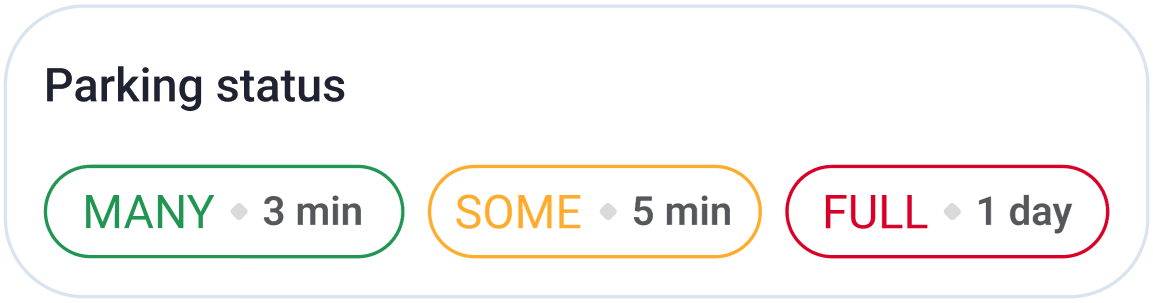
3. Check the parking status. Trucker Guide uses color-coded indicators to show reported parking conditions: green means many spaces, yellow means some spaces, and red means full. Check the time of the latest status update, and remember that conditions can change before you arrive.
4. Plan your route. Select a location and build a route to it in Trucker Guide. Searching ahead gives you more time to consider alternatives if your preferred stop is full.
5. Keep alternative stops in mind. Compare other parking locations along your route, especially when approaching busy freight corridors or the end of your available driving hours.
While new truck parking facilities are being developed, use Trucker Guide to find truck stops, rest areas, and other potential parking locations along your route. Check the latest parking information, identify alternative stops, and plan to make your trip easier.
Explore Trucker Guide to find truck parking and plan your next stop.
.png)
Frequently Asked Questions
How much funding has USDOT announced for truck parking in 2026?
USDOT announced $200 million in federal funding for 14 truck parking projects across 12 states on October 14, 2026. The funding will support new facilities and improvements to existing truck parking areas.
Which states will receive truck parking funding?
The funding covers 12 states. Highlighted projects include locations in Georgia, Iowa, North Carolina, Texas, and Wisconsin. The official FY 2026 INFRA awards list provides details of all funded projects.
How many new truck parking spaces will be added?
Five highlighted projects specify at least 926 planned or additional truck parking spaces. This figure excludes Iowa's project, for which the announcement does not specify additional capacity, and does not represent the total for all 14 projects.
Why is the government investing in truck parking?
The investment aims to address the truck parking shortage, improve access to safe places for drivers to rest, reduce unsafe roadside parking, and support freight transportation efficiency.
When will the new truck parking facilities open?
Opening dates depend on individual project timelines. The announcement does not provide confirmed opening dates for every facility, so drivers should monitor state transportation agencies and project updates for the latest information.
How can truck drivers find parking while waiting for new facilities?
Drivers can use Trucker Guide to search for truck stops, rest areas, and other potential parking locations along their routes. The app helps drivers compare nearby options, review available parking information, and plan alternative stops.


