



How Tariffs Are Affecting Trucking Freight Rates in 2026

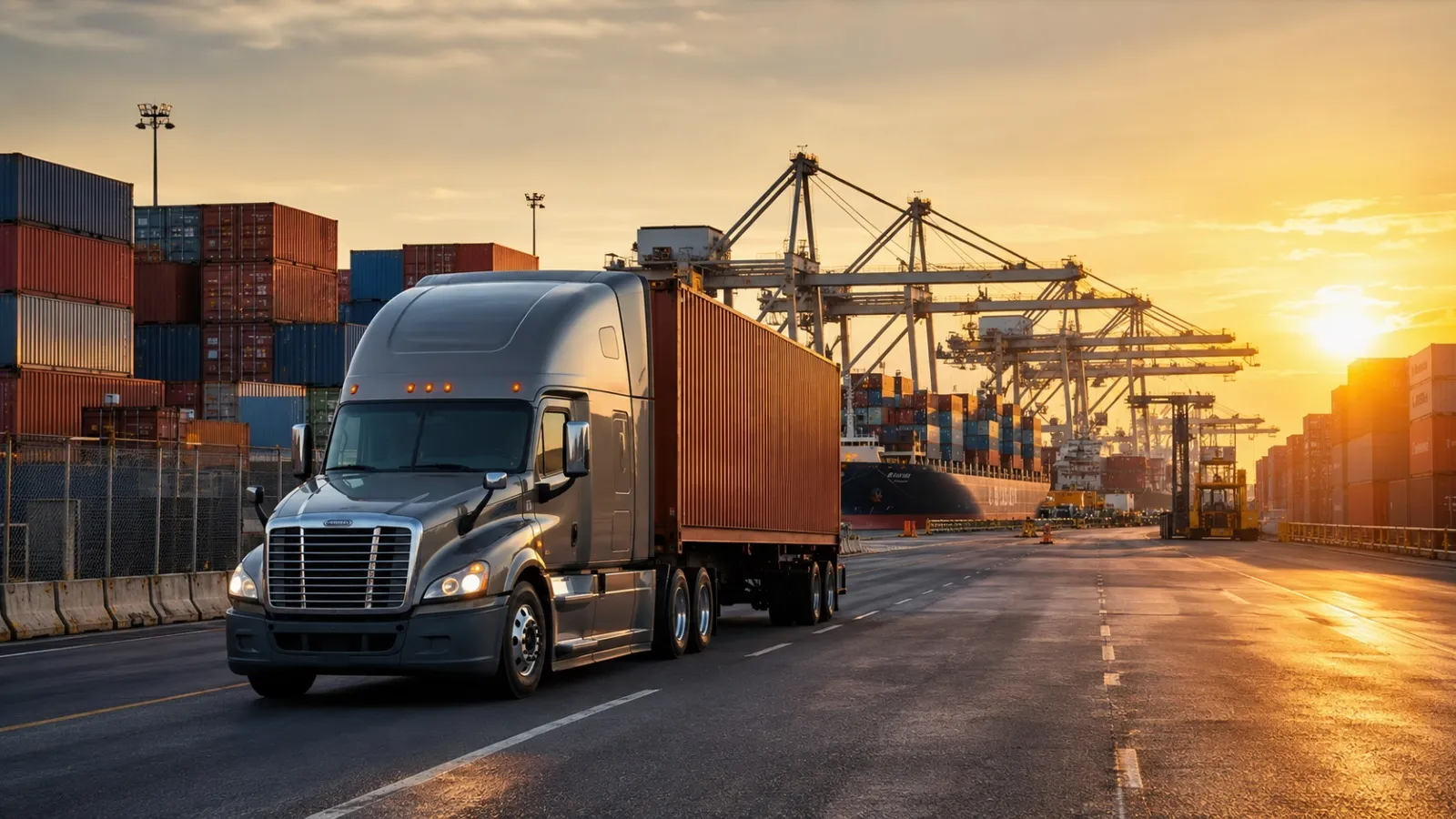
The US trucking industry has entered a period where trade policy and transportation economics are closely connected. Tariffs that were originally designed to influence imports and strengthen domestic manufacturing are now affecting freight demand, equipment prices, transportation costs, and supply-chain decisions.
For trucking companies, these decisions can change where freight originates, which lanes become more active, and how carriers plan their operations. The connection between tariffs and trucking is best understood as a chain reaction:
Tariff Changes → Supply Chain Adjustments → Freight Pattern Changes → Impact on Trucking Rates
However, tariffs are only one factor shaping freight prices. Trucking rates in 2026 are also influenced by capacity levels, fuel expenses, equipment costs, consumer demand, and overall economic conditions.
To understand how tariffs are affecting trucking, it is important to first look at the freight market environment that carriers are operating in today.
Key Facts:
- 2021–2024 freight cycle: Freight rates reached record highs in 2021 before declining during the 2023–2024 market correction.
- 2026 market recovery: Freight conditions are improving as excess capacity continues to decline in some segments.
- 25% equipment tariff impact: Higher tariffs on qualifying imported trucks and parts may increase fleet investment and replacement costs.
- Global supply chains remain important: Changes in sourcing and manufacturing locations can create new freight lanes and regional demand.
- Multiple factors drive rates: Trucking prices depend on freight demand, capacity, fuel costs, equipment expenses, and operating conditions.
- Efficiency affects profitability: Reducing unnecessary miles and improving route planning can help carriers manage higher operating costs.
How Has the Freight Market Changed Between 2020 and 2026?
Tariffs are affecting trucking during a period when the freight industry is already recovering from one of the most volatile market cycles in recent history.
Between 2020 and 2026, the US freight market experienced major shifts:
- Pandemic-driven freight demand surged in 2021
- Inventory corrections weakened freight markets in 2023–2024
- Excess capacity pushed pricing lower
- Market conditions began improving in 2026
The Bureau of Transportation Statistics tracks freight activity through indicators such as the Freight Transportation Services Index (TSI), which measures changes in freight movement across major transportation sectors, including trucking. These indicators help show how transportation demand changes alongside broader economic conditions.
For carriers and shippers, understanding this market cycle is important because tariffs are only one factor influencing freight rates. Trade policy interacts with consumer demand, equipment costs, fuel prices, and available capacity to shape the overall trucking environment.
Why Are Tariffs Becoming a Major Factor in the US Trucking Market?
Modern supply chains rely heavily on international manufacturing networks. Products often move through multiple countries before reaching customers, and trucking plays a role at nearly every stage.
Imported materials arrive at ports, move to warehouses, travel between manufacturing facilities, and eventually reach retailers or customers. When tariffs change the cost of imported goods, businesses must decide how to adjust their supply chains.
Some companies may continue using existing suppliers and accept higher costs. Others may search for alternative sources, move production locations, or increase domestic manufacturing.
These decisions can significantly influence trucking demand. For example, a manufacturer that previously imported components from China may shift production to Mexico or a domestic supplier. The total freight volume may remain similar, but transportation patterns change.
Instead of relying on one international supply chain route, companies may create new freight corridors involving:
- regional distribution centers
- domestic manufacturing routes
- additional warehouse movements
For trucking companies, these changes create both challenges and opportunities.
A carrier operating in a region affected by reduced imports may experience lower demand. Another carrier located near expanding manufacturing facilities may see new freight opportunities.
This is why the effect of tariffs cannot be measured only by looking at the percentage increase in import costs. The final impact depends on how businesses respond and how quickly transportation markets adjust.
How Do Tariff Changes Influence Trucking Markets?
How Do Tariffs Affect Freight Demand?
Freight demand is one of the biggest factors influencing trucking rates. When more goods need to be transported, carriers generally have more opportunities to secure loads. When freight volumes decline, competition between carriers increases and pricing pressure usually follows.
Tariffs can influence freight demand by changing how businesses buy, manufacture, and transport products.
When imported goods become more expensive, companies may reduce orders, delay shipments, or search for alternative suppliers. These decisions can reduce freight activity in certain markets.
However, tariff changes do not always reduce transportation demand immediately.
In many cases, businesses respond to upcoming tariff changes by moving shipments earlier. Importers may increase inventory before new duties take effect to avoid higher costs later. This can create temporary increases in port activity, warehouse demand, and trucking volumes.
After companies adjust their inventory levels, freight demand may slow as supply chains return to a new normal.
This creates a pattern that carriers often see during periods of trade uncertainty:
1. Companies accelerate shipments before tariff changes.
2. Freight volumes temporarily increase.
3. Businesses adjust suppliers and inventory strategies.
4. Transportation demand shifts across different regions and industries.
For example, a retailer importing consumer products may increase shipments before tariffs take effect. Once inventory levels are higher than needed, fewer replacement shipments may be required, creating weaker demand later.
This is why tariffs can create both short-term opportunities and longer-term challenges for trucking companies.
The impact also depends on the type of freight involved. A carrier hauling imported consumer goods near major ports may experience different conditions than a carrier transporting domestic manufacturing freight.
How Are Tariffs Affecting Trucking Costs in 2026?
While freight demand determines how much work is available, operating costs determine how much revenue carriers need to generate to remain profitable.
Tariffs can influence trucking expenses through higher equipment costs, more expensive replacement parts, and changes in manufacturing supply chains.
Modern commercial trucks rely on a global network of suppliers. Many components used in truck production, repair, and maintenance are sourced internationally, meaning changes in trade policy can affect the cost of keeping equipment on the road.
How Tariff Changes Can Affect Trucking Operating Costs
For fleet owners, the impact is not limited to the purchase price of a truck. A more expensive vehicle can affect financing costs, depreciation schedules, maintenance planning, and long-term fleet strategies.
For example, if replacing a truck becomes significantly more expensive, some fleets may decide to operate existing equipment for additional years. This approach can reduce immediate capital expenses but may increase repair costs, downtime risks, and maintenance requirements.
Owner-operators can also feel the impact of rising equipment expenses. A higher monthly truck payment, increased repair bills, or more expensive parts can reduce profit margins, especially during periods when freight rates remain competitive.
Because carriers cannot always immediately increase their rates, managing operating efficiency becomes increasingly important. Reducing unnecessary miles, improving route planning, and maintaining equipment effectively can help offset some of the pressure created by higher costs.
What Does the Trucking Rate Index Show About the 2026 Market?
Understanding freight rate trends requires more than looking at individual load prices. Industry indexes help carriers, brokers, and shippers understand whether the market is becoming stronger, weaker, or more balanced.
A trucking rate index tracks changes in transportation pricing over time. These measurements provide a broader view of freight conditions by showing how rates respond to changes in demand, capacity, and operating costs.
Several organizations monitor freight market conditions, including DAT Freight & Analytics and Cass Information Systems. Their reports help identify changes in spot pricing, contract rates, freight volumes, and transportation activity. The recent freight cycle shows a major shift from the extreme conditions seen during the pandemic.
The market in 2026 is different from the conditions seen during the pandemic boom. Carriers are operating in a more balanced environment, but recovery is not happening evenly across all sectors.
Some freight segments may experience stronger demand because of manufacturing changes, infrastructure activity, or regional supply-chain shifts. Other segments may continue facing competitive pricing due to available capacity.
For carriers, the most important factor is not only whether rates are increasing or decreasing. The key is understanding where demand is growing and which freight opportunities provide sustainable revenue.
How Do Tariffs Affect Ports and Cross-Border Trucking?
Ports and border crossings are often among the first parts of the transportation network to experience changes caused by trade policy.
When tariffs affect import decisions, companies may change where they source products, how much inventory they hold, and which transportation routes they use. For trucking companies involved in port and cross-border operations, these changes can influence freight availability and scheduling.
For example, if importers expect higher tariffs, some companies may increase shipments before new duties take effect. This can temporarily increase container activity at ports and create additional demand for drayage carriers.
After businesses adjust their supply chains, import volumes may change again. The effects can include:
- changes in container movement
- different port volumes
- new warehouse demand
- shifting regional freight patterns
Cross-border trucking with Mexico is another important area. As companies look for alternatives to overseas production, some manufacturing activity has moved closer to the United States.
This trend can increase demand for transportation services between Mexico and US distribution networks. For trucking companies, monitoring trade patterns can help identify emerging freight lanes before competition increases.
What Is the 2026–2028 Trucking Rate Forecast?
The trucking market is expected to remain influenced by several competing factors through 2028.
Tariffs may continue affecting equipment costs and supply-chain decisions, while freight demand will depend on consumer spending, manufacturing activity, and economic growth.
The future rate environment will likely depend on how these factors balance. A high-tariff environment may create additional costs for businesses and carriers. However, supply-chain adjustments could also create new transportation opportunities as companies relocate production or change sourcing strategies.
A lower-tariff environment could support stronger trade activity and increase freight movement, but the impact would still depend on overall economic conditions.
2026–2028 Trucking Market Scenarios
The most likely outcome is continued market adjustment rather than a return to the extreme highs of 2021 or the weak pricing environment of the freight downturn.
How Can Technology Help Truckers Manage Changing Freight Conditions?
Technology has become an important tool for carriers navigating an increasingly complex transportation environment. Traditional navigation apps are designed for passenger vehicles and may not account for commercial trucking requirements such as vehicle size, weight restrictions, low bridges, or truck-specific road limitations.
Trucking-focused navigation solutions help drivers make decisions based on the realities of commercial transportation. Trucker Guide helps professional drivers plan safer and more efficient routes with features designed specifically for trucking operations, including:
✅ truck-friendly navigation
✅ over 450K important points of interest for drivers
✅ route planning support
✅ information that helps avoid unnecessary delays
When freight markets become unpredictable, having reliable transportation information can help drivers reduce wasted time and improve trip planning.
Plan Your Next Route With Confidence
Freight markets will continue changing as tariffs, supply chains, and operating costs influence the trucking industry. While carriers cannot control trade policy or economic conditions, they can control how efficiently they operate.
Better planning, accurate route information, and smarter navigation decisions can help professional drivers stay prepared in a changing freight environment.
Ready to improve your next trip? Download Trucker Guide and plan your routes with trucking-focused navigation built for professional drivers.
Frequently Asked Questions
What are trucking rates today?
Trucking rates in 2026 depend on freight demand, fuel costs, capacity, and operating expenses. Rates are showing signs of recovery, but conditions vary by market and freight type.
Are trucking rates going up?
Yes, trucking rates are increasing in some markets due to tighter capacity and higher operating costs. However, rate growth remains uneven across the industry.
How will tariffs affect the trucking industry?
Tariffs can change freight demand, supply-chain routes, and transportation costs. They may increase port activity, shift manufacturing locations, and raise equipment and parts expenses.
Will tariffs increase freight rates?
Tariffs can push freight rates higher by changing import volumes and creating new transportation demand. However, fuel prices, capacity, and freight volume remain major factors.
How do tariffs affect truck drivers?
Tariffs can impact drivers through changes in freight availability, shipping lanes, and operating costs such as truck parts and maintenance.
Will trucking rates continue rising in 2026?
Rates may continue improving if freight demand grows and capacity remains balanced. Future changes will depend on economic conditions and trade policies.


