



Cold Storage Warehouses Explained: Temperature Control Meets Efficiency

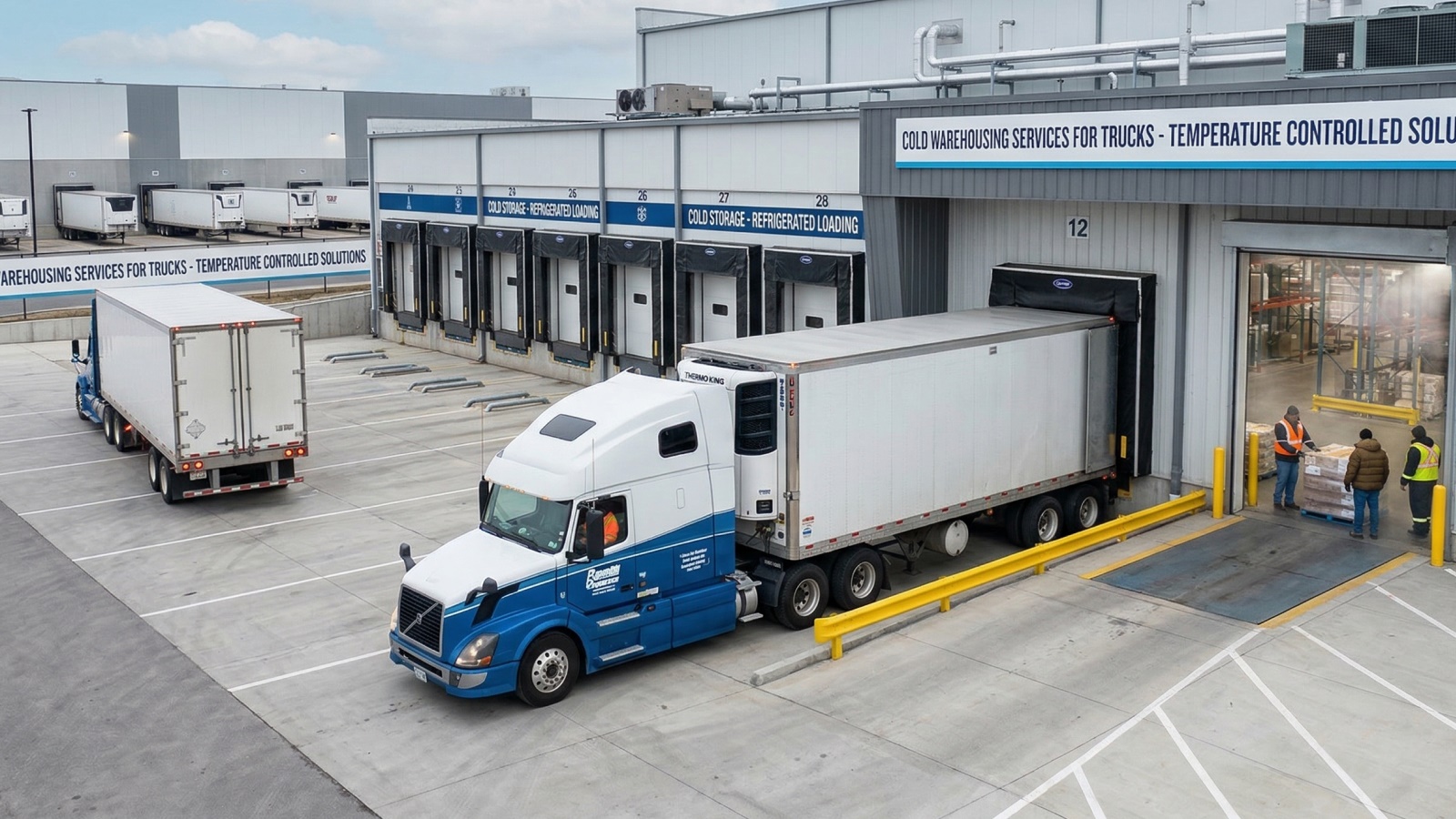
Cold storage warehouses keep global supply chains running smoothly, protecting temperature-sensitive goods such as fresh produce, frozen foods, and medicines from spoilage.
E-commerce growth, ready-to-eat meals, and new pharmaceuticals drive 8-10% yearly expansion, so these facilities combine smart engineering with reliable logistics to handle rising demand.
Key Facts:
- Cold storage warehouses maintain controlled temperatures for perishables such as food and pharmaceuticals using insulated structures and refrigeration systems.
- Temperature zones typically include chilled storage (32–40°F), frozen storage (-10°F or lower), and blast freezing down to about -20°F.
- The cold storage industry is expanding at an estimated 8–10% annually, driven by e-commerce grocery demand, ready-to-eat meals, and pharmaceuticals.
- Construction costs for cold storage facilities range from $150–250 per square foot, with freezer-grade facilities adding an additional 20–30% for specialized infrastructure.
- Public cold storage rental rates typically range from $12–25 per pallet per month for refrigerated space and $18–35 for frozen storage.
- Automation systems in cold warehouses can increase operational speed by 2–3x while reducing energy use by roughly 20–30% and improving space utilization up to around 90%.
What Are Cold Storage Warehouses?
Cold storage warehouses differ from regular warehouses because they require specialized building features to maintain cold temperatures.
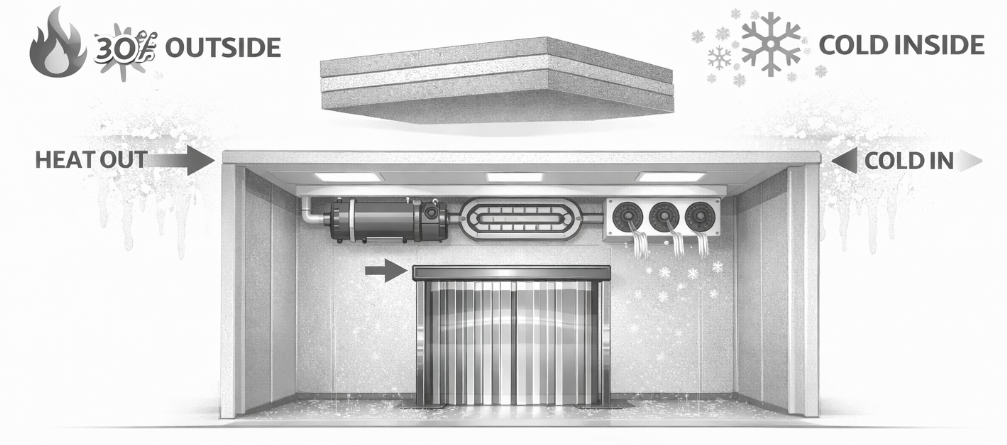
They use thick insulation panels on walls and ceilings, plus strong doors that keep warm air out. Cooling systems with refrigerant pull heat from the air inside and send it outside, creating steady temperatures for different products.
Different areas handle specific needs:
- Chilled zones (32-40°F) for fruits, dairy, and fresh veggies
- Frozen zones (-10°F or lower) for meats, seafood, and ice cream
- Blast freezers that quickly drop food from room temperature to -20°F
Warehouses with freezer sections store big pallet loads of frozen goods. Freezing warehouses focus on bulk items like vegetables. Industrial cold storage works for large commodity operations, while facilities keep humidity around 85-95% and strong floors for heavy racks.
Three main types serve different customers:
- Public cold storage: Shared space you rent by pallet when needed
- Dedicated cold warehouse facilities: Built just for one company's products
- Hybrid 3PL operations: Mix of shared space with extra services
The industry grows 8-10% each year from online grocery demand and more frozen food options.
Cold Storage Services and 3PL Models
Cold storage services do more than just hold products. They handle shipping through cross-dock areas, pack e-commerce orders, and even do light processing like labeling. Cold storage and distribution centers send groceries to stores on time. Cold storage fulfillment picks, packs, and ships directly to customers with tracking.
Cold storage 3PL providers connect storage with truck transport for end-to-end service. They often include bonded storage for imports and extra space for busy seasons.
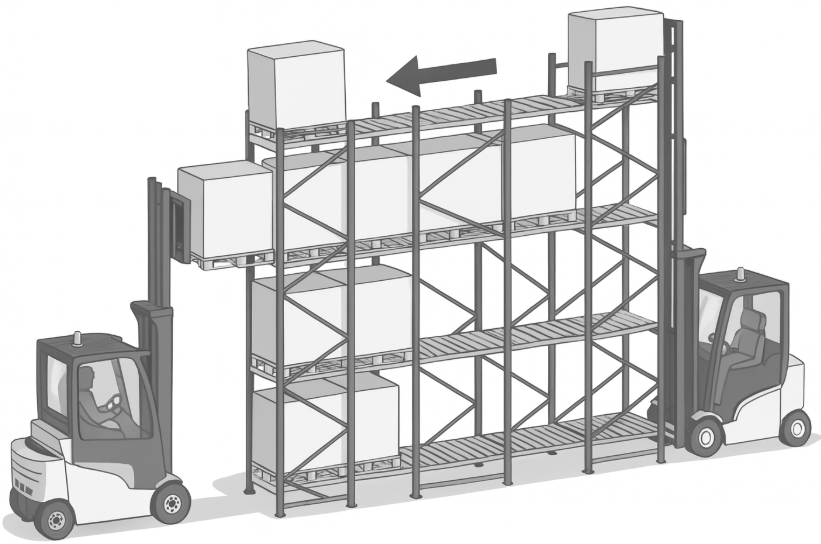
👉 Cold chain warehouse operations use first-in-first-out (FIFO) to avoid waste, with frozen storage warehousing using tight racking for frozen pallet storage.
You May Also Like: Trucking Loads Explained: Live Load, Detention, and Truckload Events
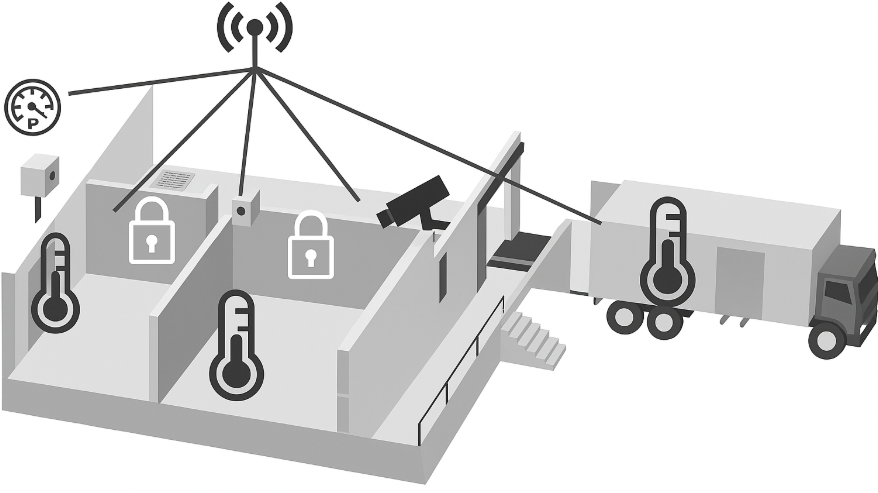
Cold warehouse services link to tracking software for smooth handoffs from storage to delivery trucks. These setups handle busy times like holiday proteins or summer produce while keeping temperatures steady.
Cost of Cold Storage Warehouses in 2026
Building cold storage costs $150-250 per square foot because of special insulation, strong floors, and cooling equipment. Freezer cold storage warehouse projects add 20-30% for doors and dock features that fight frost. Energy takes up 60% of daily costs, but newer systems cut that by 20-30%.
Renting through public cold storage or 3PL saves 40-60% compared to owning:
- Refrigerated zones: $12-25 per pallet/month
- Frozen zones: $18-35 per pallet/month
- Blast freezing: $0.50-1.50 per pallet
- Minimums: $250-500/month for pallet cold storage
Large cold storage gets discounts of over 500 pallets. Long storage adds 10-15% fees. 10% yearly demand growth raises prices 5-8% in 2026, especially for prime pallet cold storage spots.
Automation in Cold Storage Warehouses
Automation helps avoid tough work in freezing areas and speeds things up 2-3 times while saving 25% on energy. Automated cold storage warehouse systems use ASRS shuttles to move pallets in -10°F rooms without opening doors often.
A cold‑storage WMS adds sensors for checking temperature and location right down to boxes, so the system always knows exactly where everything is without sending people into harsh conditions.
ASRS cold storage uses about 90% of the space compared to 60% by hand, and robots plus small vehicles make picking faster, smoother, and more predictable during busy hours. Smart software plans storage paths 40% better and cuts waste below 0.5%, tightening up operations in a way manual work simply can’t match.
When all of this works together, from the shuttles to the sensors to the optimized routes, facilities usually save fifteen to twenty percent on overall operating costs while keeping product quality more consistent and the workflow easier to manage.
Capacity and Specialized Options
Large cold storage holds 100,000 pallets with tall ceilings and direct truck bays. Cool room warehouses manage 32-50°F for dairy products. Freezer storage warehouse designs focus on quick inventory turns. Cold pallet storage racks go 8-10 levels high for commercial cold storage assembly work.
👉 Eco-friendly cooling like CO2 systems and solar power cuts costs by 15-20%. Public cold storage and 3PL fit changing needs in the $41.78 billion 2026 market.
Cold storage keeps products safe, the supply chain steady, and operations moving even as demand grows every year. With better engineering, smarter systems, and flexible storage options, these warehouses handle everything from daily grocery orders to large industrial loads.
As the market expands, cold storage stays focused on protecting quality, controlling costs, and keeping goods moving from farm and factory to the people who need them.


