



FMCSA Clearinghouse Update 2026: New Identity Verification Rules Explained

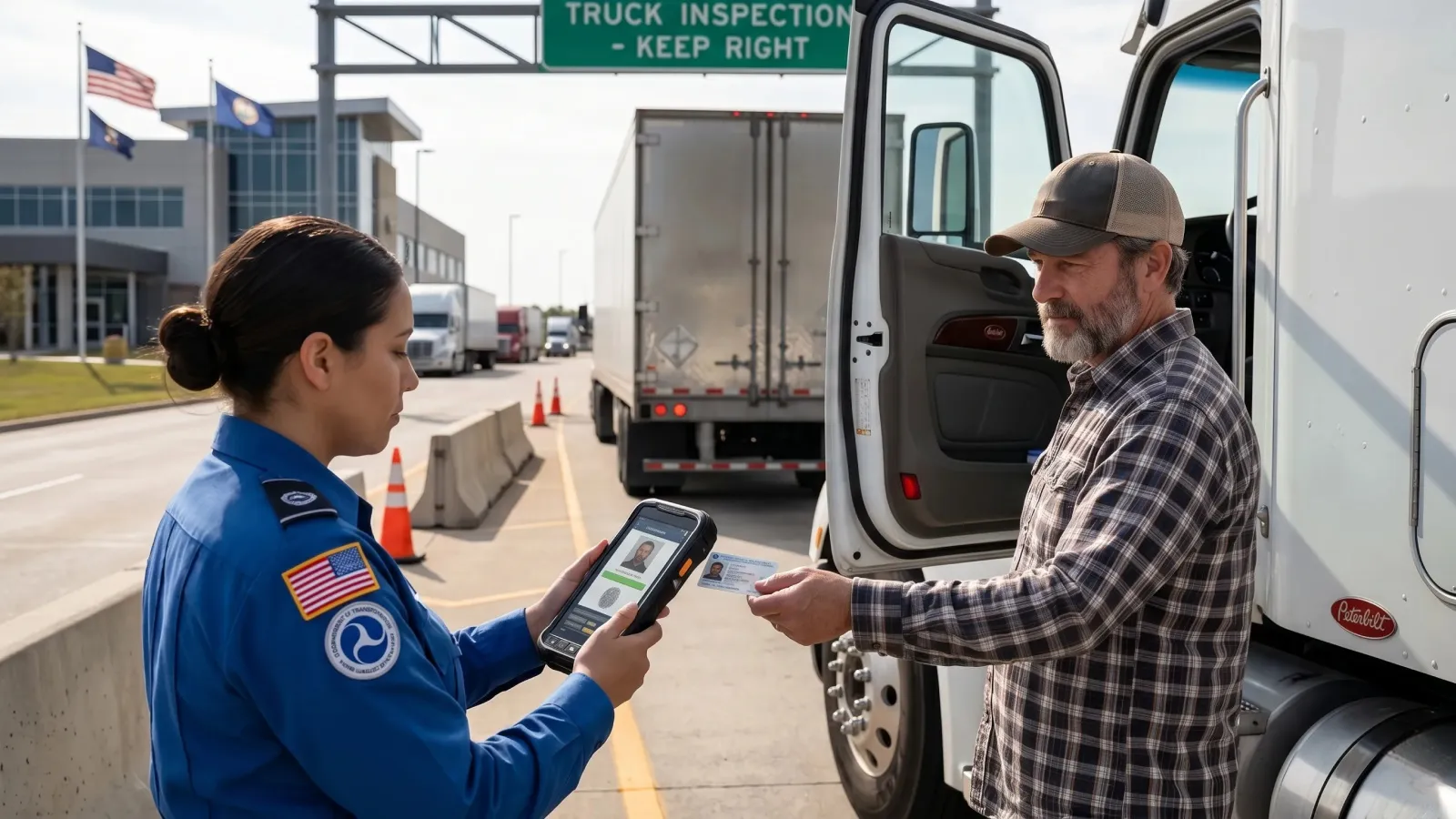
On April 27, 2026, the Federal Motor Carrier Safety Administration announced new identity verification requirements for its Drug and Alcohol Clearinghouse.
The update affects how employers, service agents, and compliance professionals access and manage safety records inside the system.
With more than 6 million users relying on the platform, the goal is clear: reduce fraud risk, improve data accuracy, and ensure that every action within the Clearinghouse is tied to a verified identity.
Key Facts:
- On April 27, 2026, the Federal Motor Carrier Safety Administration announced new identity verification requirements for the Drug and Alcohol Clearinghouse system.
- The update introduces additional identity checks for certain users before full system access is granted, moving beyond basic registration and role approval.
- The rule applies to key user groups including employers, Medical Review Officers, Substance Abuse Professionals, and third-party administrators.
- The Clearinghouse, which tracks drug and alcohol violations for commercial drivers, has recorded hundreds of thousands of violations annually between 2020 and 2025.
- Identity verification is handled through secure authentication providers, including IDEMIA, to ensure access is tied to verified individuals.
What the Clearinghouse Actually Does
The Federal Motor Carrier Safety Administration Drug and Alcohol Clearinghouse is a national database that tracks drug and alcohol violations for commercial drivers.
It is used by:
👉 Employers during hiring
👉 Law enforcement during inspections
👉 State agencies overseeing CDL compliance
If a driver is prohibited from operating due to violations, that record is stored and becomes visible to authorized users. In practice, the system directly influences hiring decisions and determines who is allowed to operate commercial vehicles.
Between 2020 and 2025, the system recorded hundreds of thousands of violations, including positive drug test results, refusals to test, and “actual knowledge” violations reported by employers.
The volume has stayed consistently high year after year, with only minor fluctuations.
You May Also Like: FMCSA DataQs 2026 Update: New Rules Reshape Denial Reviews
With the amount of sensitive data flowing through the Clearinghouse, identity protection is no longer just a technical detail. It is becoming a core part of system integrity.
What Changed in the 2026 Update
The biggest change in the 2026 update is the introduction of a stronger identity verification layer inside the Clearinghouse.
Previously, access was primarily determined by account registration and role approval. Once a user was set up, they could use the system without additional identity checks each time they logged in.
Now that approach has changed. Some users must complete an extra identity verification step before they are granted full access. This means the system is no longer relying only on registration. It is also confirming who is actually behind the account.
This requirement applies to specific groups that handle sensitive compliance data, including:
👉 Medical Review Officers
👉 Substance Abuse Professionals*
👉 Third-party administrators
👉 Employers using the Clearinghouse
Substance Abuse Professionals (SAPs) are people who step in when a commercial driver violates DOT drug or alcohol rules. Their job is to determine what needs to happen before the driver can get back behind the wheel.
These roles were prioritized because they directly work with test results, violations, and hiring decisions that affect drivers and fleets. The verification process is handled through IDEMIA, a secure identity provider used in other federal systems.
Users may be required to:
👉 Confirm their identity through secure authentication steps
👉 Validate professional credentials tied to their role
👉 Complete additional verification before accessing the system
This adds a stronger layer of protection on top of normal registration and ensures access is tied to a real, verified individual, not just an approved account.
When comparing the two systems, the difference is clear. Earlier, access depended mainly on role permissions and basic registration. Now, access depends on both role approval and verified identity. This reduces the risk of unauthorized access and lowers the chance of errors or misuse of sensitive compliance data.
Overall, this update reflects a shift toward identity-based access control inside the Clearinghouse. Identity is no longer checked only once during registration. It is now part of the ongoing access process. While the change currently applies to specific professional groups, it also suggests a future direction where more users may go through similar verification steps.
Over time, this could lead to stricter authentication standards and tighter control over compliance data across the trucking industry.
How This Compares to Previous Years
To understand the impact of this update, it helps to look at how the system worked before.
In earlier years, the Clearinghouse required users to register and be assigned roles. Once approved, access was fairly straightforward. Identity checks were limited, and most users could operate based on their permissions without additional verification steps.
The 2026 update changes that structure. Identity verification is now required for certain users before access is granted, adding a stronger security layer and shifting the system toward verified identity-based access rather than simple registration.
When you line the two approaches up side by side, the differences become much easier to see in practice. 👇
You May Also Like: FMCSA Medical Certification Changes in 2026: NRII Transition Explained
Looking at the two side by side, the shift is clear. The system is no longer built only around access approval. It is now centered on confirming identity before access is granted, and maintaining that verification throughout system use.
While it does not change day-to-day driving operations, it significantly changes how trust and verification are managed behind the scenes in U.S. trucking compliance.


