



FMCSA Medical Certification Changes in 2026: NRII Transition Explained


FMCSA is making a temporary change to how medical certification works for CDL and CLP drivers as the industry moves from paper records to a digital system.
👉 From April 11, 2026, through October 11, 2026, drivers can still use a paper medical examiner certificate as proof of medical certification for up to 60 days after it is issued.
To understand why this is happening, we need to look at the reason behind the change.
Key Facts:
- From April 11, 2026, through October 11, 2026, drivers may use a paper medical examiner certificate as proof of medical certification for up to 60 days after issuance during the transition period.
- The change supports the rollout of National Registry II (NRII), which moves DOT medical certification from paper-based processing to electronic submission.
- Medical examiners now submit DOT physical results directly into the FMCSA system, which then transmits certification data to state licensing agencies.
- CDL and CLP drivers still undergo the same DOT physical exam and medical standards, with no changes to qualification requirements.
- During the transition, carriers are expected to verify driver medical status through CDLIS and electronic records rather than relying solely on paper medical cards.
Why is FMCSA Moving to NRII Electronic Medical Records?
Behind this change is a long-term upgrade called National Registry II, also known as NRII. It is part of the medical certification program overseen by the Federal Motor Carrier Safety Administration. NRII refers to the updated system used to manage and verify certified medical examiners who are authorized to conduct DOT physical examinations for commercial drivers.
For years, medical certification has depended heavily on paper documents. Drivers would complete a DOT physical, receive a paper medical card, and then have that information manually sent to state agencies. That process created delays and sometimes mismatches between what was valid and what was recorded.
NRII is designed to fix that by making the process electronic from the start. Instead of waiting for paperwork to move between offices, the medical examiner submits results directly into the FMCSA system, which then sends the information to the state licensing agency.
The goal is to make medical certification faster, more accurate, and less dependent on physical documents that can be lost or entered late.
What Changes in 2026 DOT Medical Certification Process in 2026?
The medical exam itself is not changing. Drivers still go through the same DOT physical, and examiners still use the same official forms.
Once the exam is finished, the results are sent electronically through the National Registry system. This includes whether the driver is medically qualified, not qualified, or if the exam record is voided.
It also includes any restrictions or requirements like corrective lenses, hearing aids, medical exemptions, or skill performance evaluations.
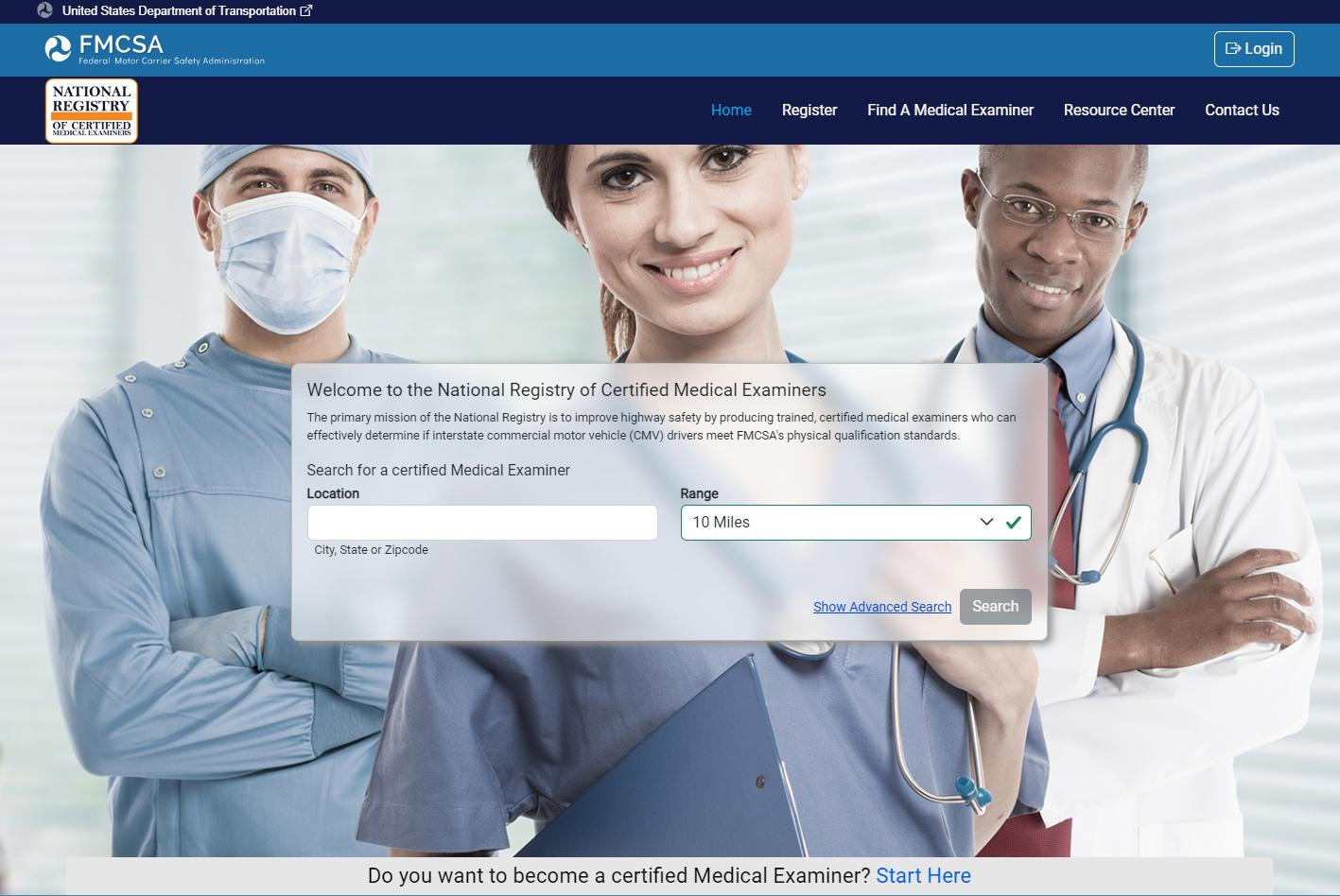
That electronic record becomes the official source of truth for the driver’s medical certification. State licensing agencies then update the CDLIS system* based on that data. Even with this electronic process in place, FMCSA still recommends that medical examiners provide a paper copy of the certificate during the transition period.
CDLIS is a national database that stores and shares information about commercial driver’s licenses across all U.S. states.It is used to make sure a driver has only one valid Commercial Driver’s License (CDL) and to track driving records between states.
The reason is practical. States are still updating their systems, and drivers may need the paper copy to resolve issues if the electronic record has not fully synced yet.
What Do Drivers and Motor Carriers Need to Know About NRII?
For most drivers, this change is largely happening behind the scenes. You will still schedule your DOT physical the same way and be evaluated under the same medical standards. If you pass, you remain medically certified as before. The key difference is how that certification is recorded and verified.
Instead of relying only on a paper medical card you keep with you, your medical status is now also stored electronically in your official CDL record through the state system.
During the transition period, paper cards may still be issued and used as backup proof in case of delays or syncing issues between systems. Over time, however, drivers may notice the paper card is not always provided. This does not signal an issue, but rather a shift toward digital records becoming the primary source of verification.
For carriers, the main change is how medical compliance is verified and recorded. In the past, many fleets relied on collecting and storing paper medical cards as proof of certification. That method is becoming less dependable as electronic records become the primary source of verification.
They are now expected to confirm medical certification through CDLIS, which reflects updated state data connected to FMCSA’s electronic system. This shift improves consistency across states and reduces issues caused by expired or missing paperwork. At the same time, it means carriers must rely more on digital access to driver qualification records instead of physical documents.
In practice, carriers will now:
- Verify medical status through CDLIS instead of paper cards
- Rely on electronic driver qualification records
- Reduce dependence on physical document storage.
Stay ahead of FMCSA updates and make sure your compliance process is ready for the NRII transition before enforcement fully shifts to digital records.
Frequently Asked Questions
What is the FMCSA National Registry of Medical Examiners?
The official system that certifies and verifies medical examiners authorized to perform DOT physicals for commercial drivers.
How do drivers find a certified medical examiner on the National Registry?
Search online at National Registry by city/state, ZIP code, name, or business name.
Is there an extension for the FMCSA medical card in 2026?
Yes. From April 11–October 11, 2026, paper medical certificates are valid for up to 60 days after issuance.
What happens if a driver's DOT medical certification lapses?
You cannot drive commercially, your CDL is automatically downgraded within 60 days, and you may face job loss, fines, or need to retake CDL tests.


