



Refrigerators Not Cooling? What Semi-Truck Drivers Should Check First

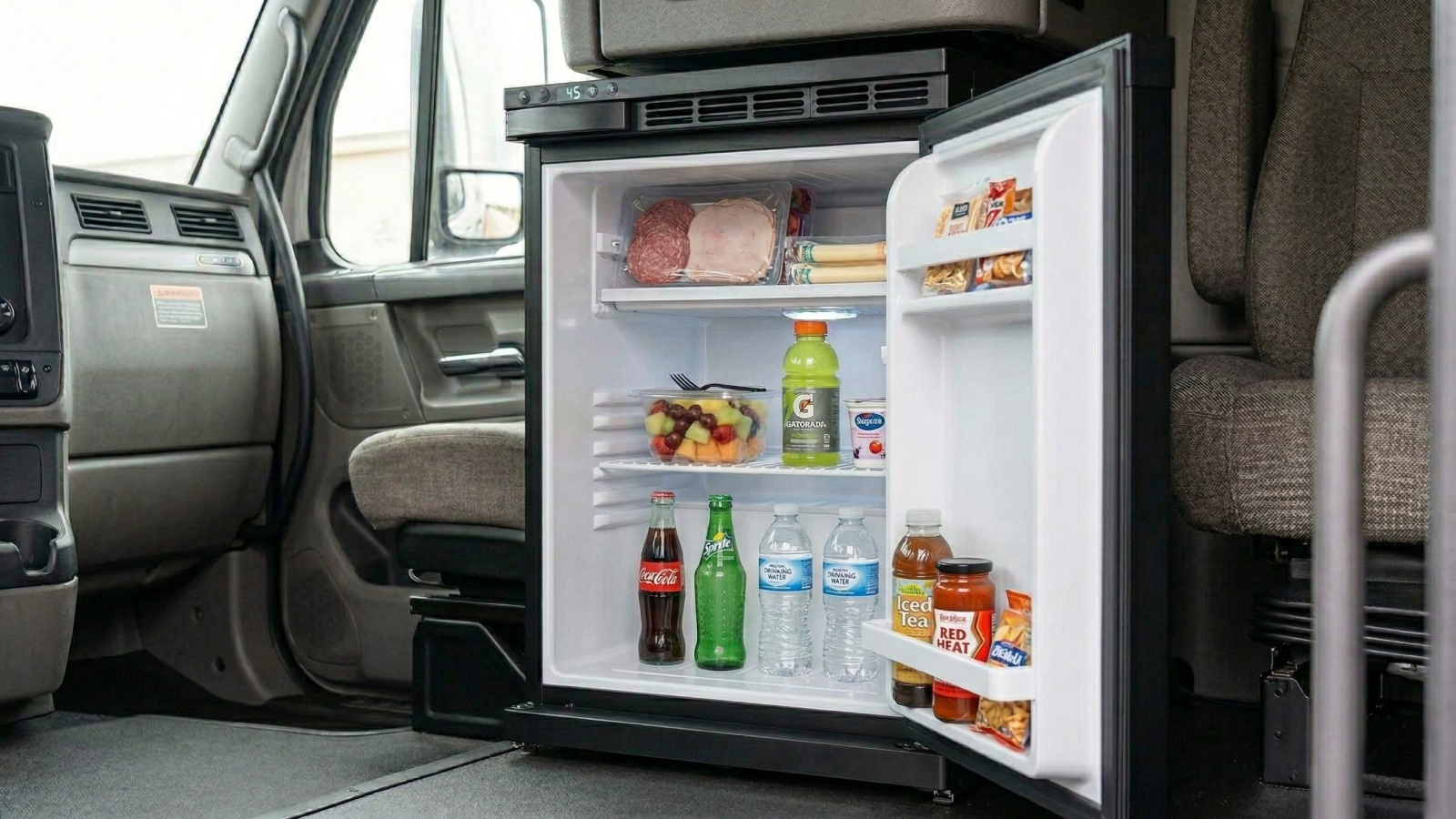
A truck fridge may stop cooling because of low or unstable voltage, blown fuses, poor ventilation, dirty condenser coils, faulty fans, or compressor problems. Start by checking the power supply, wiring, fuse, and airflow around the fridge before looking at more serious refrigeration issues.
If your fridge has power but the inside stays warm, the problem is usually somewhere in the cooling system or airflow. Below, we’ll look at the most common causes and what semi-truck drivers can check first to get their refrigerator cooling again.
Key Facts:
- Semi-truck refrigerators operate under vibration, heat, and unstable power conditions, which makes cooling failures more common than in home units.
- The most frequent causes of a truck fridge not cooling include weak voltage, blown fuses, poor ventilation, dirty condenser coils, and compressor or fan failure.
- A working light with no cooling usually indicates that power is reaching the unit, but the refrigeration system itself is not functioning correctly.
- Many fridge issues in trucks such as Kenworth T680 and Freightliner Cascadia setups are linked to installation layout, restricted airflow, or inadequate ventilation rather than internal breakdowns.
- Stable 12V power supply, proper wiring, and correct grounding are essential, as voltage drops are a leading cause of intermittent or failed cooling performance.
Why Is My Semi-Truck Fridge Running But Not Cooling?
A truck fridge works in a much tougher environment than a home refrigerator. It has to handle vibration, heat, tight cabinet space, and changing power conditions. That is why a truck fridge not cooling issue often starts with something small and slowly gets worse over time.
You May Also Like: What Is Reefer Freight? Key Facts for Truckers and Fleets
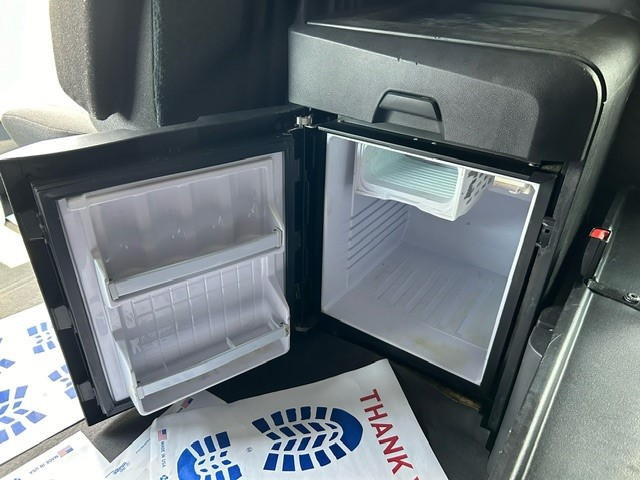
Common causes include weak or unstable power, loose wiring, a blown fuse, blocked vents, dirty condenser coils, a faulty thermostat, fan failure, compressor problems, and worn door seals. In many cases, the fridge still looks like it is on even when the cooling system is not working correctly.
What Drivers Notice First
One of the most common signs is that the fridge light still works, but the compartment stays warm. It usually means the unit has power, but the cooling system itself is not operating the way it should.
Other signs may include:
👉 The fridge runs but never gets cold enough.
👉 The compressor hums, but cooling is weak.
👉 Food spoils earlier than expected.
👉 The unit works off and on.
👉 Cooling gets worse in hot weather.
These symptoms matter because they help point to whether the issue is electrical, mechanical, or airflow-related.
Semi-Truck Model Problems
Truck‑specific refrigerator issues may sound different depending on the model or brand, but the underlying causes usually come from a small set of repeat problems: power supply stability, wiring quality, and airflow around the unit. If in a Kenworth T680 a fridge is not working, it’s often tied to the sleeper cabinet layout, wiring run from the power source, and how well the fridge can vent heat.
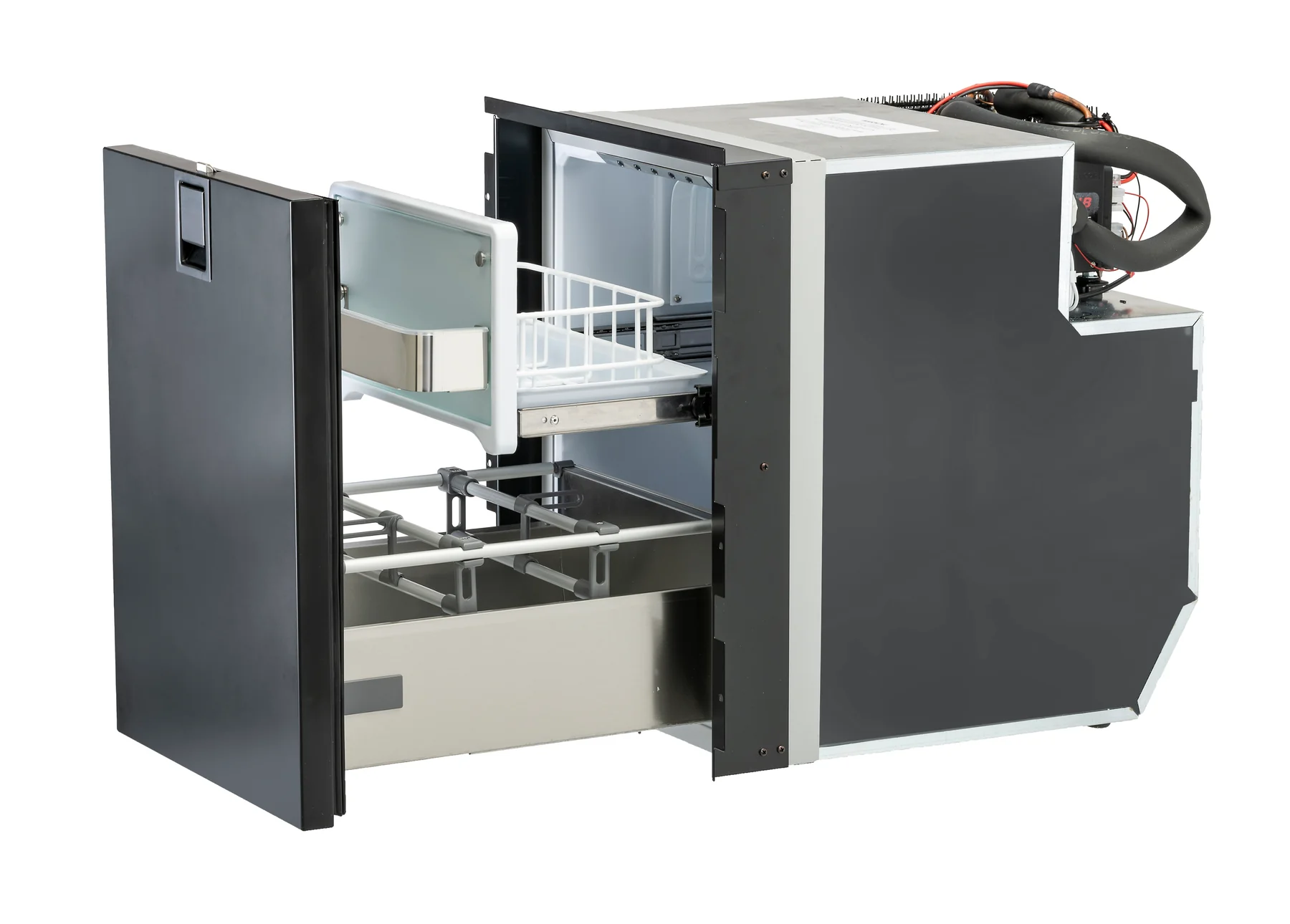
For example, if the fridge is buried behind other appliances or lined with sound‑dampening material, air cannot escape, and the unit will struggle to cool even if the compressor and fan are working. A Freightliner Cascadia fridge problem usually follows the same pattern. The fridge may be installed in a tight built‑in cabinet with limited side or rear ventilation, which raises the ambient temperature around the condenser and compressor.
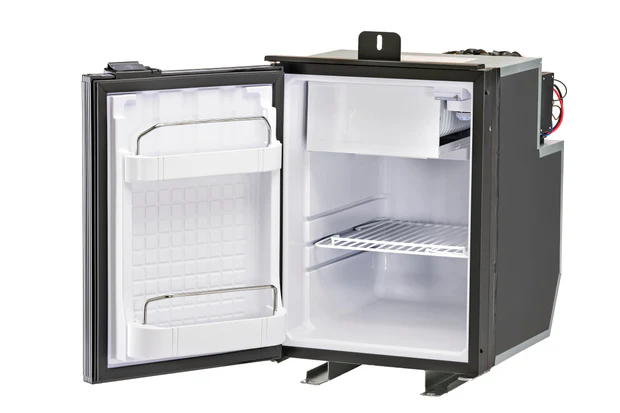
In those situations, the fridge may appear to run normally, yet it never reaches the cooling capacity the driver expects.
Many reefer fridge issues often trace back to:
👉 Weak or fluctuating voltage from the truck’s battery or inverter,
👉 Loose, corroded, or undersized wiring from the power source to the fridge,
👉 Blocked or poorly designed ventilation paths behind or above the unit,
👉 Overheating of the condenser coil due to confined space or excessive dust buildup.
Because of these design and layout constraints, a truck fridge not cooling or truck fridge not working complaint is rarely just a “broken fridge”. It is usually a combination of electrical, installation, and airflow issues. Fixing the problem, therefore, often means checking the wire gauge, fuse rating, ground connection, and the cabinet’s ventilation before replacing any major components.
Power and Voltage Issues
One of the biggest reasons a truck fridge fails is unstable power, especially with a 12V system fridge installed in the cab. In many cases, the problem is not that the fridge is dead, but that the electrical supply is marginal or inconsistent, causing the compressor and control board to operate outside their design range.
A weak battery, failing alternator, or long, undersized wiring runs can all drop voltage at the 12V system fridge, leading to symptoms like a compressor that appears to run but never delivers proper cooling. Poor or corroded connections at the fuse block, relay, or directly at the fridge terminal block can create intermittent power loss, which drivers may experience as the fridge working briefly and then shutting down or never reaching the set temperature.
For a semi‑truck driver, the most effective first step is to check battery voltage at the fridge input, verify wire gauge and grounding, and ensure the charging system can sustain the load, rather than jumping straight to replacing the fridge itself.
When the Compressor Runs, But Nothing is Cool
If the compressor is running but the fridge is not cooling, the issue is usually deeper than a basic setting or power problem. A 12V fridge compressor running but not cooling can point to a dirty condenser, a failed fan, a refrigerant issue, or a compressor that is no longer strong enough.
In practice, when a 12V fridge compressor is running but not cooling, a technician will usually:
1. Check for correct airflow and measure coil temperatures.
2. Inspect the condenser and evaporator for heavy dust, frost, or ice buildup.
3. Listen to the compressor for irregular noises or short‑cycling.
4. If the unit is under warranty or accessible, test for refrigerant leaks or pressure issues.
If several of these checks come back normal but the fridge still will not cool, the most likely remaining causes are a failing compressor or a control‑board fault. In compact or older units, such as a Cooluli mini-fridge, an Everchill 12V refrigerator, or a Furrion 12V fridge, those deeper failures often make replacement more cost‑effective than a repair.
You May Also Like: Cold Storage Warehouses Explained: Temperature Control Meets Efficiency
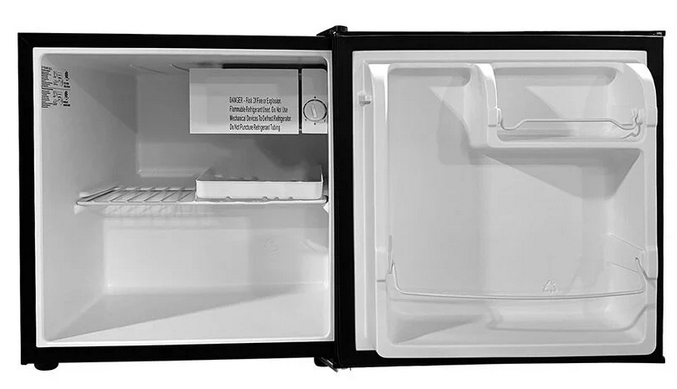
In all of these cases, the fridge may appear active, but the cooling cycle is not completing properly.
Mini-Fridges and Compact Units
Smaller units can fail for similar reasons, but they are often even more sensitive to heat and airflow. Poor cooling in a Cooluli mini-fridge or a compact commercial/beverage fridge is often due to placement. A room that is too warm or a location with insufficient ventilation and restricted airflow can cause these units to struggle. That is why a true GDM 12 cooling problem often comes back to airflow, fan function, or a refrigeration fault rather than the control panel itself. In small units, even a minor airflow issue can have a big effect on performance.
Different symptoms usually point to different causes:
👉 Light works, but the fridge is warm: power is present, but cooling is not.
👉 Compressor runs but no cooling: airflow, fan, refrigerant, or compressor issue.
👉 Cooling is weak only in hot weather: a ventilation problem.
👉 The fridge works sometimes: low voltage or wiring issue.
👉 Fridge never gets cold enough: thermostat, control, or sealed-system problem.
For semi truck drivers, a refrigerator light that turns on but the box stays warm is usually a sign that the power supply, airflow, or cooling system needs attention. In many cases, checking the voltage, wiring, fuses, and ventilation is enough to restore normal cooling and keep food safe on the road.
If the fridge still never gets cold enough, it may be time to call a repair technician or look into replacing older units, especially compact fridges in RVs, campers, trailers, or small commercial setups.
Frequently Asked Questions
How long does it take for a 12V truck fridge to get cold?
A 12V truck fridge may take several hours to reach its set temperature, depending on the starting temperature, ventilation, and power supply.
What are common problems with 12V fridges in semi-trucks?
Common problems include low voltage, blown fuses, loose wiring, poor ventilation, dirty condenser coils, fan failure, and compressor issues.
How do you reset a 12V fridge that is not cooling?
Turn the fridge off and check the power supply, fuse, wiring, and connections before turning it back on.
How can you tell if a truck fridge compressor is bad?
A failing compressor may make irregular noises, short-cycle, or run without producing proper cooling.


