



Trucking with Dogs: Complete Guide to Jobs, Tips, and Best Breeds

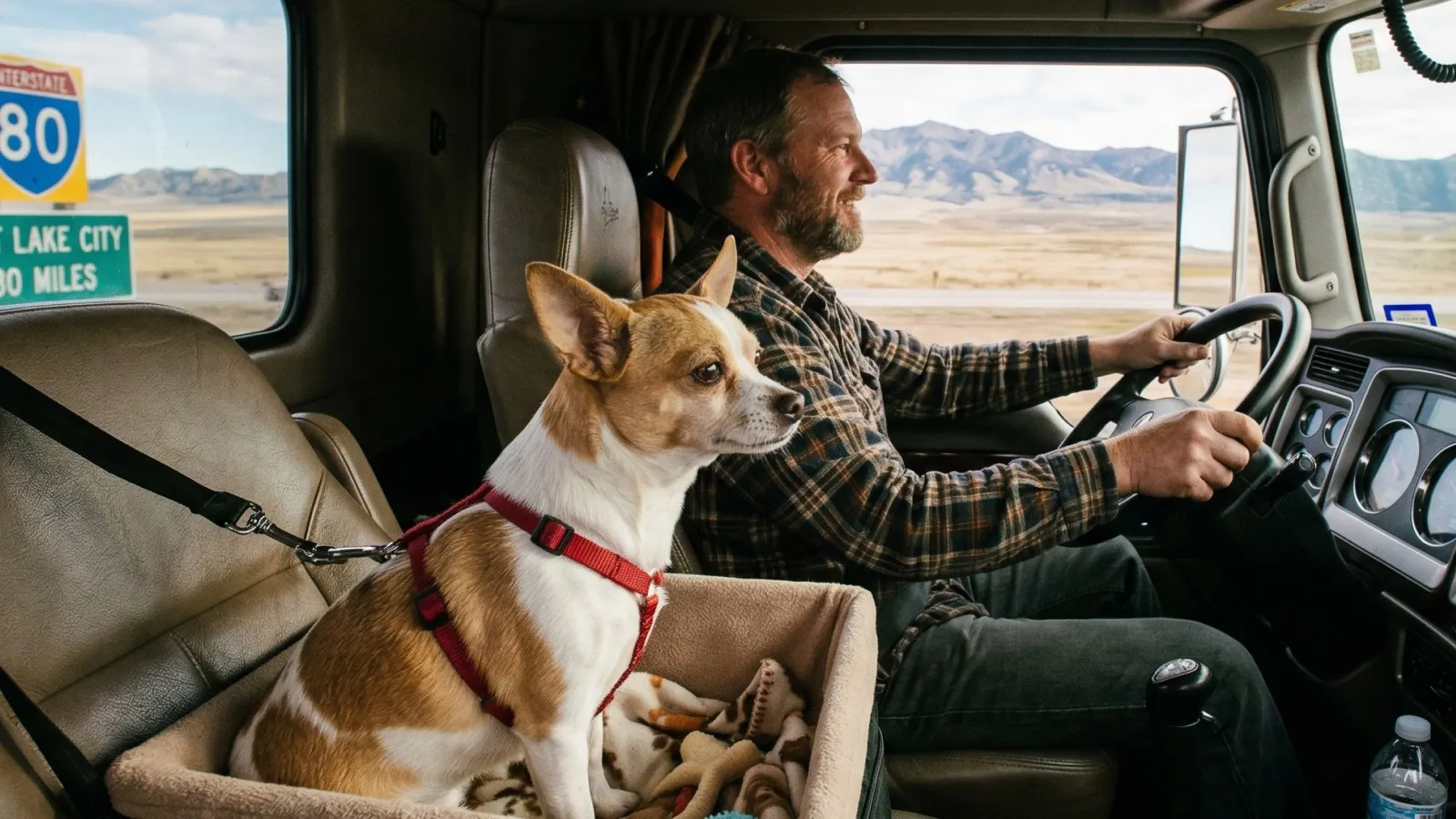
Life on the road can be both freeing and isolating. Mile after mile, the hum of the highway becomes your soundtrack and the cab your second home.
But what if you didn’t have to make those endless drives alone? For thousands of truckers across the U.S., a four-legged copilot turns long hauls into something far more rewarding.
We will dive deep into everything you need to know about trucking with dogs.
Key Facts:
- Pet-friendly trucking remains unregulated at the federal level, and the Federal Motor Carrier Safety Administration does not provide official rules or allowances for pets in commercial vehicles.
- Only an estimated 10–15 major U.S. carriers, including Roehl, Prime Inc., and Halvor Lines, officially allow dogs in trucks, typically under strict internal policies.
- Most pet-friendly trucking companies require dogs to be under a 20–50 lb weight limit, spayed or neutered, and fully vaccinated with proof of rabies certification.
- Drivers are expected to secure pets in crash-rated crates or harness systems, as unsecured animals are treated as a driver distraction during inspections.
- Annual pet-related trucking costs typically range from $500 to $1,200, covering food, vet care, equipment, and travel supplies.
Top Dog Breeds for Truck Drivers
Let’s start with the breeds best suited for life in a rig. The most successful trucking dogs handle small spaces, long hours, and the rhythm of cross-country travel like pros.
Focus on small statures under 25 pounds, low to moderate energy, quick training, minimal barking, and tolerance for confinement without anxiety. These traits ensure safety and comfort in a moving cab.
Here are a few breeds that fit the trucking lifestyle:
1. Shih Tzu (9-16 lbs): Affectionate lap dog that stays calm on hauls. Hypoallergenic coat resists truck dust well.

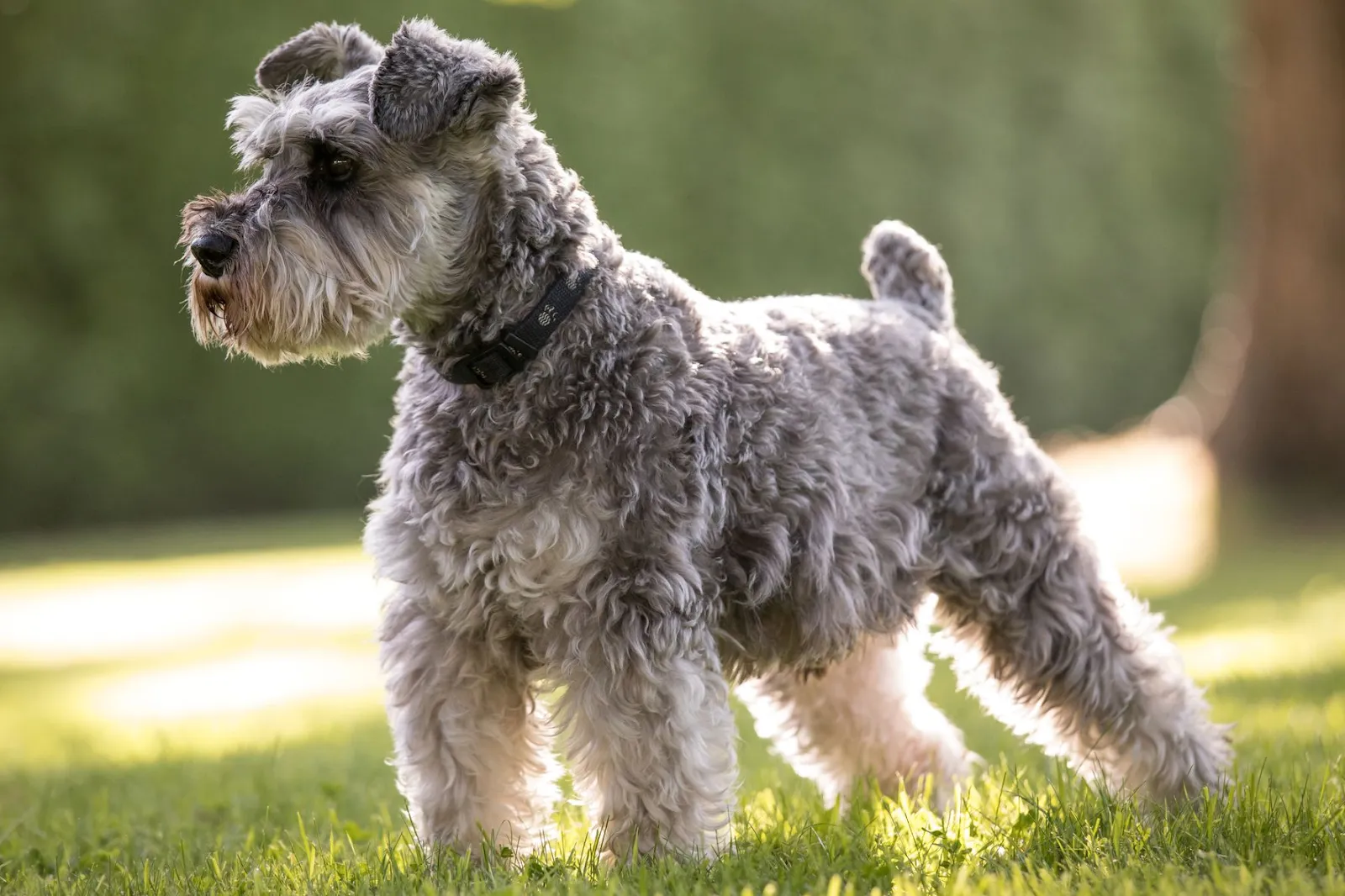
2. Miniature Schnauzer (11-20 lbs): Smart with a wiry, low-shed coat. Keeps cabs clean. Learns commands quickly.
3. Yorkshire Terrier (under 7 lbs): Ultra-portable size. Bold but quiet. Adapts easily to harness and crate life.

4. Beagle (20-30 lbs, prefers smaller): Loyal and mellow watchdog. Takes moderate walks without high energy needs.

5. Boston Terrier (12-25 lbs): Even-tempered and quiet. Short snout handles elevation changes. Trains fast for harness use.

6. Miniature Poodle (10-15 lbs): Very intelligent and trainable. Curly coat traps less road dirt than heavy shedders.

7. Pug (14-18 lbs): Compact body fits small cabs perfectly. Loves napping during long drives. Needs only short walks and easy grooming.

Avoid high-drive working breeds like Border Collies and herders, as well as large giants such as Great Danes and Labs. These overheat quickly, bark excessively under stress, or require too much space and exercise for cab constraints.
Trucking with a Dog: Practical Tips
Trucking with a dog takes planning, routine, and strong safety habits. A little preparation goes a long way toward keeping both you and your pet safe and comfortable on the road.
1. Secure your dog before every trip.
Use an FMCSA-approved crash-rated crate, a harness connected to the truck’s frame, or a carrier fixed firmly in the sleeper berth. A loose pet can easily become a distraction during sudden stops or inspections. DOT officers view unsecured animals as the same type of risk as using a mobile phone while driving.
2. Keep health records up to date.
Make sure all vaccinations, especially rabies, are up to date. Carry proof of spay or neuter, a recent health certificate, and microchip information, since some states require these documents at border checks.
Plan short walks every four to six hours for 10 to 15 minutes, and maintain good hydration. During warmer months, cooling vests or mats help prevent overheating in trucks without continuous air conditioning.
3. Maintain a clean, pet-safe cab.
Keep enzyme-based cleaners on hand for accidents, along with disposable pee pads, lint rollers for fur, and waterproof mattress covers for the bunk. Many shipping terminals and customer sites do not allow pets, so always crate and ventilate your dog during loading or meetings.
👉 Never leave them alone in a hot, closed cab.
4. Pack a complete travel kit.
Include tick removers, bandages, a thermometer, electrolyte packets, medications, collapsible water bowls, and a food supply. Add toys and blankets to keep your dog comfortable and reduce stress during long hours on the road.
Pet-Friendly Trucking Jobs Explained
Pet-friendly trucking jobs exist, but stay rare in the industry.
Only about 10 to 15 major carriers like Roehl, Prime Inc., and Halvor allow dogs on board out of thousands nationwide. These companies typically hire OTR solo drivers or teams who maintain predictable schedules that support pet care routines.
Every carrier that approves pets demands the same basic requirements.
You May Also Like: The Art of Balancing Family Life and the Truck Driving Journey
The strict standards come from a complete lack of federal oversight. FMCSA regulations contain no pet allowances or mandates, so each carrier creates its own policy from scratch. Management changes or safety concerns can alter those rules quickly.
Team drivers and regional runners usually find success more often. They benefit from shared pet duties or scheduled stops that align with dog walking needs. Pure long-haul OTR solo drivers face tougher approval odds due to unpredictable parking and extended drive times.
Job seekers should expect cleaning deposits and terminal restrictions even when carriers approve pets. Customer sites and shipper docks often maintain separate no-pet policies regardless of company rules. Forward-thinking fleets sometimes offer extras like pet insurance discounts or bunk liners, but these remain exceptions rather than standard benefits.
This combination of limited carrier options, uniform requirements, and variable real-world restrictions defines pet-friendly trucking jobs today.
Legal Rules and Road Realities
No federal rules protect pet travel in commercial trucks. In 2020, the FMCSA denied a petition asking for ELD relief and Hours-of-Service changes for drivers with pets. This means pets stay a personal choice, not an operational allowance.
State leash laws add another layer. Most rest areas and parks require six-foot maximum leashes and waste bag carry rules. DOT inspections treat loose pets like any other cab distraction violation.
Shipper facilities create the biggest headaches. Strict no-pet zones force drivers to park outside gates. This eats into loading time and forces route planning around pet-friendly truck stops along I-30, I-43, I-69, I-72, I-79, or I-8.
Costs add up fast, too. Expect $500 to $1,200 yearly for premium food, frequent vet trips, cab gear upgrades, and travel-related emergencies.
Still, drivers swear by the morale boost. Surveys show 54% would reconsider trucking entirely without pet access. Furry copilots cut loneliness and turnover significantly.
Pick your breed, pack your crate, and start those conversations with recruiters. Your dog deserves the open road, too. Safe travels to you both.


