



What Is Hot Shot Trucking and How Does It Work?

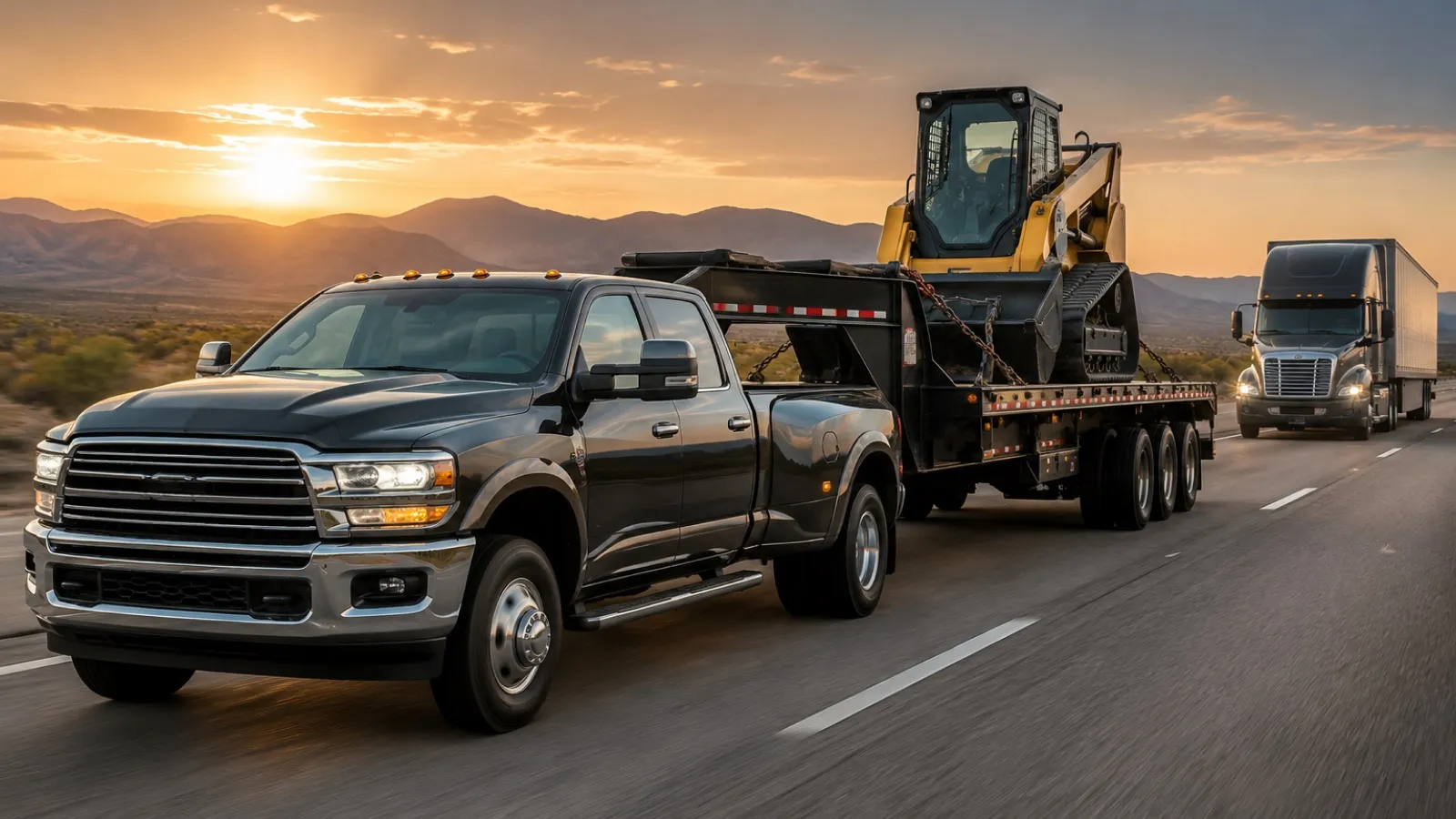
Hot shot trucking is a specialized freight service designed to move time-sensitive shipments that are too small for full truckload (FTL) but too urgent for less-than-truckload (LTL) shipping.
Loads are usually picked up and delivered without long terminal stops or consolidation delays. That’s why businesses rely on hot shot carriers when downtime becomes expensive or disruptive.
Quick Summary:
- Hot shot trucking is a time-sensitive freight service for smaller loads, typically ranging from a few hundred pounds up to 20,000+ pounds, using direct pickup and delivery without terminal delays.
- Startup costs usually fall between $30,000 and $150,000+, depending on truck, trailer, insurance, and overall business setup.
- CDL requirements apply when combined GVWR exceeds 26,001 pounds, allowing access to heavier and higher-paying loads
- Annual gross revenue per truck in 2026 typically ranges from $150,000 to $350,000, with net income averaging $45,000 to $120,000 after expenses.
- Operating costs in 2026 commonly consume 30%–60% of revenue, heavily affecting final profitability.
- The industry serves high-demand sectors like construction, oil and gas, agriculture, manufacturing, and utilities, where urgent freight delivery is critical.
How Does Hot Shot Freight Work?
The hot shot freight process begins when a shipper identifies an urgent transportation need. Rather than scheduling freight through a conventional trucking network, the load is assigned to a hot shot carrier that can provide immediate pickup and direct delivery.
Most hot shot operations focus on freight weighing anywhere from a few hundred pounds to over 20,000 pounds, depending on equipment configuration and licensing requirements. Deliveries can range from local same-day transportation to cross-country shipments spanning multiple states.
Industries that regularly depend on hot shot services include:
- Construction
- Oil and gas
- Agriculture
- Manufacturing
- Energy production
- Automotive supply chains
- Utility services
- Heavy equipment distribution
These industries frequently face situations where equipment failures, project delays, or production interruptions require immediate transportation solutions. In 2026, demand is particularly strong in renewable energy infrastructure and emergency utility repairs.
What Equipment is Used in Hot Shot Trucking?
Equipment selection is one of the most important factors affecting profitability and operating capability.
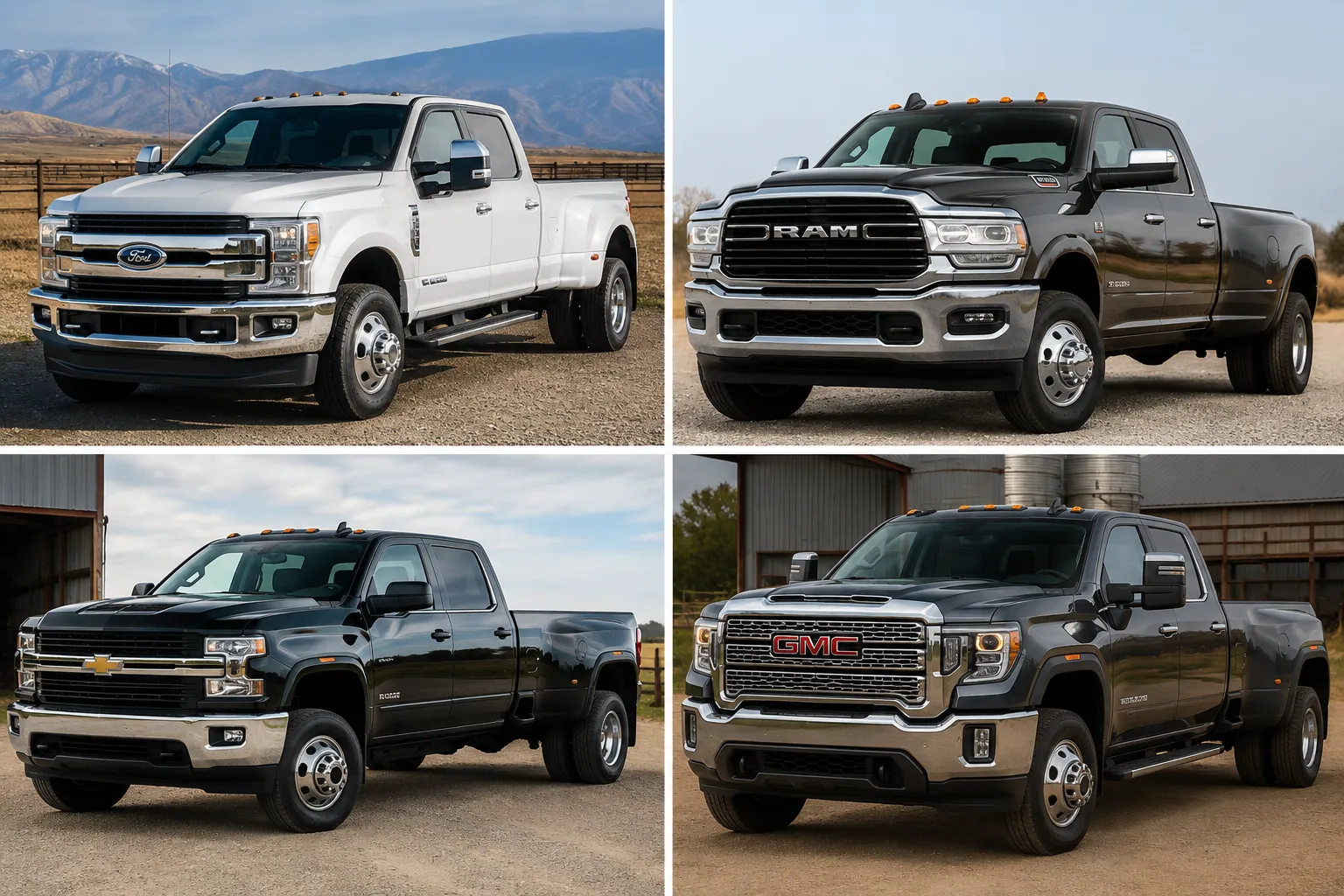
Most hot shot operators use one-ton pickup trucks such as the Ford F-350, Ram 3500, Chevrolet Silverado 3500HD, or GMC Sierra 3500HD. These vehicles provide the towing capacity needed for commercial freight while remaining significantly less expensive than purchasing a semi-truck.
Trailers are also important. Gooseneck trailers dominate the hot shot industry because they offer greater stability, improved weight distribution, and higher payload capacity compared to bumper-pull alternatives.
Common trailer options include flatbed trailers, deckover trailers, lowboy trailers, tilt trailers, and equipment trailers. Trailer lengths generally range from 30 to 40 feet, with 40-foot gooseneck trailers being particularly popular among owner-operators seeking maximum flexibility.
The combined Gross Vehicle Weight Rating (GVWR)* of the truck and trailer plays a major role in determining whether a Commercial Driver's License (CDL) is required.
Gross Vehicle Weight Rating (GVWR) is the maximum safe operating weight of a vehicle as defined by the manufacturer.
Do You Need a CDL to Become a Hot Shot Trucker?
One of the most frequently asked questions is whether hot shot trucking requires a CDL.The answer depends on the combined GVWR of the truck and trailer. Federal regulations generally require a CDL when the combined rating exceeds 26,001 pounds, and the trailer rating surpasses specific thresholds.
Many new operators initially enter the industry using non-CDL setups because they involve fewer regulatory requirements and lower startup costs. However, CDL operators typically gain access to heavier loads, larger contracts, and higher-paying freight opportunities.
While operating without a CDL may seem attractive initially, many experienced hot shot truckers eventually transition to CDL operations to increase revenue potential and improve load availability. In 2026, CDL requirements remain unchanged, but enforcement of weight and compliance checks has tightened in several states.
Hot Shot Weight Classes
Hot shot loads are commonly grouped into weight classifications based on total shipment weight and equipment requirements.
As shipment weight increases, operators often encounter additional regulatory requirements involving licensing, inspections, insurance, and compliance obligations.
Understanding weight classifications helps carriers choose the appropriate truck and trailer combination while ensuring compliance with federal transportation regulations.
How Do You Start Hot Shot Trucking?
Compared to traditional trucking, hot shot trucking offers a lower barrier to entry. However, launching a professional operation still requires substantial investment.
- New heavy-duty pickups cost between $60,000 and $100,000+, while used models range from $35,000 to $65,000.
- Diesel engines remain the preferred choice for heavy hauls due to better torque and fuel efficiency under load.
- Quality gooseneck trailers commonly range from $10,000 to $30,000.
- Commercial insurance, authority fees, permits, maintenance reserves, fuel expenses, and cargo securement equipment further increase startup requirements.
For many owner-operators, total startup investments can range from approximately $30,000 for a used non-CDL setup to well over $150,000 for a new CDL-equipped operation. The actual investment depends heavily on equipment choices, financing arrangements, insurance costs, and business structure.
Earnings and Profitability
Revenue potential in hot shot trucking typically ranges from $150,000 to $350,000 in annual gross income per truck, depending on freight demand, equipment type, operating authority, experience level, customer base, and regional operating costs such as fuel prices in higher-cost areas.
After expenses, the net profit is usually much lower. Most operators report $45,000 to $120,000 in annual take-home income, with margins heavily influenced by fuel, insurance, maintenance, truck and trailer payments, compliance costs, and downtime. In many cases, 30%–60% of gross revenue is consumed by operating expenses.
New drivers often focus on gross revenue figures like $5,000–$8,000 per week during strong freight periods. However, after deducting expenses, the actual weekly take-home commonly falls to $1,000–$2,500, depending on cost control and load consistency.
Successful operators tend to maximize profitability through consistent freight utilization rather than relying on occasional high-paying loads. Long-term stability is typically achieved through direct relationships with brokers, shippers, and repeat customers instead of depending solely on load boards.
Operators who manage expenses efficiently and maintain steady freight flow can reach the higher end of profitability ranges, while poorly managed operations may remain in the lower-income bracket even with strong gross revenue performance.
What Are the Pros and Cons of Hot Shot Trucking?
Is Hot-Shot Trucking Worth It?
Hot shot trucking can be worth it, but only if it’s treated like a real business rather than just a driving opportunity. It offers one of the fastest and most affordable entry points into the freight industry.
However, success depends on consistency, cost control, and access to steady freight rather than occasional high-paying loads. For drivers willing to approach it with discipline and a long-term mindset, it can become a sustainable and profitable path in trucking.
Frequently Asked Questions
What is the difference between a hot shot and a regular trucker?
Hot shot trucking uses smaller trucks and trailers, usually pickups with gooseneck trailers, to move urgent smaller loads directly from pickup to delivery. Regular trucking typically uses Class 8 semi-trucks to haul full truckloads or long-haul freight on planned routes with larger volumes and more structured schedules.
How much money do you need to start hot shot trucking?
Startup costs usually range from about $30,000 to $150,000+, depending on whether you buy used or new equipment. The biggest expenses are the truck, trailer, insurance, permits, and initial operating costs like fuel and maintenance reserves.
What are the drawbacks of being a hot shot trucker?
Income can be inconsistent because freight demand fluctuates. Operating costs like fuel and repairs are high, and competition for loads can be strong. Drivers also deal with long hours, tight delivery deadlines, and strict compliance requirements that increase as loads get heavier.
How much does hot shot trucking pay per mile?
Pay per mile usually ranges from about $1.50 to $3.00 per mile in 2026, depending on load urgency, region, equipment type, and market conditions. High-demand or specialized freight can pay more, but operating costs reduce final take-home earnings.
Can you do hot shot trucking with just a pickup truck?
Yes, many operators start with a one-ton pickup truck paired with a gooseneck trailer. However, the combined weight determines whether a CDL is required, and lighter setups without a CDL are limited in the types and weight of freight they can legally haul.


